by Osprey Photo Workshops & Tours | May 14, 2013 | Digital Cameras, Nature, Photo Technique, Wildlife
Heading upstairs at a friend’s house, I looked out the large window facing the backyard and spotted two squirrels rolling around in a ball on the grass. I was fascinated by their antics but was skeptical that I could get shots of the action. I took a chance and I ran back downstairs and grabbed my Nikon D4 camera fitted with the newer 80-400 mm lens. To avoid detection and disturbing the action, I had to shoot from inside through glass, a technique that typically results in less than satisfactory results. Luckily the pane was clear and recently cleaned. I removed the lens shade and moved the lens face close to the window to avoid reflections. Since the squirrels were in moderate shade, I had to increase my ISO to 1250, an ISO easily handled by the D4. See the results here and in a small album on Facebook.com/ospreyphotoworkshops

by Osprey Photo Workshops & Tours | Mar 2, 2013 | Assateague, Chicoteague, horses, Wildlife
Assateague Island’s Wild Horses & the famous Chincoteague Ponies.
Most likely not the romantic notion that the horses are escapees from a shipwrecked Spanish Galion is not true. They are most likely descendants of domestic animals transported to Assateague Island in the 1600s to graze on marsh grasses, enabling their owners to avoid fencing laws and taxes on livestock. Sturdy animals, they are able to withstand the island’s heat, mosquitos, winds, salt spray, storms, and relatively poor food supply.
There are two separate herds, one in Maryland & one in Virginia on Chincoteague National Wildlife Refuge. They are kept apart by a fence at the MD line. The herds have divided themselves into bands of 2 to 12 animals, each occupying their own home range. The MD herd is managed by the National Park Service and the horses have been left in a relatively wild state. The wild horses attract visitors to Assateague Island National Seashore, a favorite sighting amongst visitors. The herd size is controlled by using birth control. The southern herd is located on Chincoteague National Wildlife Refuge and is owned by the Chincoteague Volunteer Fire Dept. They are visited by a veterinarian periodically, vaccinated, and provided with food when supplies of short. They are allow to graze on the National Wildlife Refuge by special permit and their numbers are limited to 150 in order to protect critical wildlife habitat and to avoid disturbing nesting birds such as the piping plover. Each year at the end of July, during the festival called “pony penning”, the horses are rounded up by the fire department’s “salt water cowboys” and swim from Assateague to Chincoteague Island where young foals are sold at auction, proceeds benefiting the Volunteer Fire Dept.
It’s a joy to watch the horses interact, but this is best done at a distance. Each year people get bitten or kicked when they approach too closely. Despite their friendly, docile appearance, they are still wild animals, not to be trusted. See my face book page (facebook.com/ospreyphotoworkshops) for a series of images of these magnificent animals.
 Join me in a photo workshop on Assateague Island National Seashore, April 19-21, 2013. For info, contact Christina Hulslander 443-614-3547 or the Assateague Island Alliance at assateagueislandalliance@gmail.com. Check facebook.com/ospreyphotoworkshops for more images and details.
by Osprey Photo Workshops & Tours | Nov 16, 2012 | Outer Banks, Photo Tours, Photo Workshops, Travel, Wildlife
OUTER BANKS PHOTO WORKSHOP
5-9 December 2012
with Irene Hinke-Sacilotto
Sponsored by Norfolk Bottanical Gardens

This extended weekend photo workshop on the Outer Banks includes a variety of photographic opportunities with visits to local lighthouses, beaches, inland dunes, small boat harbors, historic sites, wildlife refuges, and parks intermixed with critiques of participant images. The Outer Bank’s miles of pristine shoreline and shifting dunes are some of the most beautiful in North America. Over the ocean, along the shore, and in the marshes, waterways, and forests, we will search for wildlife characteristic of the region, including pelicans, herons, shorebirds, warblers, pelagic seabirds, dolphins, and more. To photograph snow geese and other waterfowl, we will visit Pea Island National Wildlife Refuge. For close-up bird photography, we will drive inland to Sylvan Heights Bird Park near Scotland Neck where over 1500 ducks, geese, swans, and other exotic birds reside in 18 acre facility which includes large walk through aviaries and natural habits for North Carolina’s native species. Other locations to be visited include Jockey’s Ridge; Bodie, Currituck Beach, & Cape Hatteras Lighthouses; Wanchese harbor; and Hatteras National Seashore. Field excursions will be mixed with critique sessions @ Outer Banks Beach Club II, Kill Devil Hills. (7:30 PM,Wed.5 Dec –2:30 PM, Sun. 9Dec.) For details, contact www.ospreyphoto.com or http://www.norfolkbotanicalgarden.org/programs-events. Register with Norfolk Botanical Gardens. For additional information, please call (757) 441-5830, ext 338; Monday – Friday between 10AM – 2 PM or email:registrar@nbgs.org.

by Osprey Photo Workshops & Tours | Nov 16, 2012 | Assateague, Chicoteague, Photo Tours, Photo Workshops, Wildlife
Wildlife Photography Programs – free to public.
23 Nov 2012, 1:30 p.m. @ Chincoteague National Wildlife Refuge, Bateman Visitor Center
24 Nov 2012, 10:30 a.m. @ Assateague Isl National Seashore, Assateague Visitors Center

A Passion for Wildlife, the Stories Behind the Images
by Irene Hinke-Sacilotto
Based on the my more than 30 years’ experience photographing birds and other animals, this lecture covers the strategies, techniques, and equipment required to capture professional wildlife images. The program will include locating, attracting, and approaching wildlife along with prime locations for wildlife photography, the use of photographic blinds, and stalking techniques. Safety and ethical considerations will be included. Throughout the presentation, I will share my field experiences photographing in the U.S. & abroad.
by Osprey Photo Workshops & Tours | Oct 21, 2012 | Uncategorized


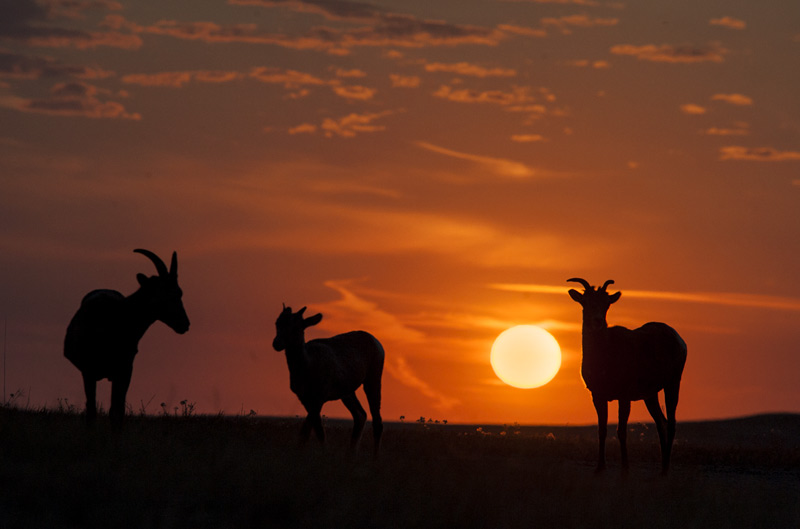
 My recent photo tour in South Dakota late September reminded me of what a fantastic destination it is– overflowing with both landscape and wildlife photo opportunities. This is the third workshop I conducted and from this experience, there are bound to be more. The trip included the Badlands, Black Hills, Wind Cave, Needles, Spearfish Canyon, and Rushmore.
With regard to photographing wildlife, here are some tips to help you spot animals in the field. Look for:
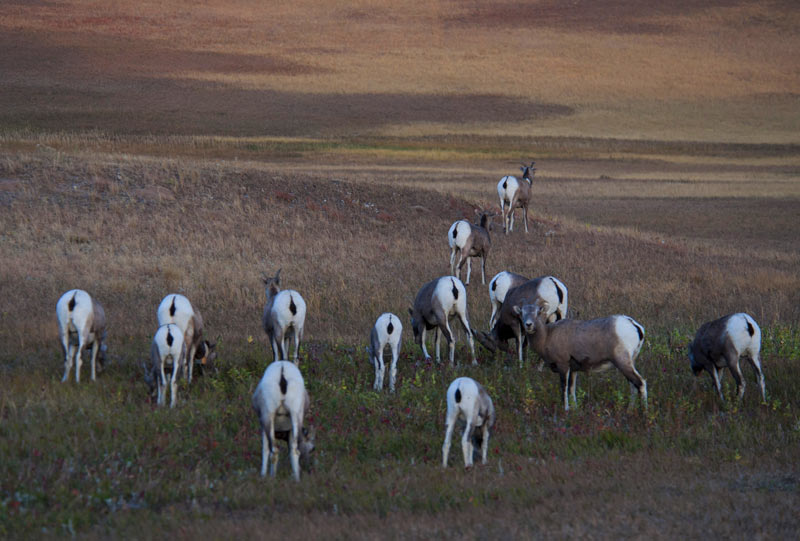
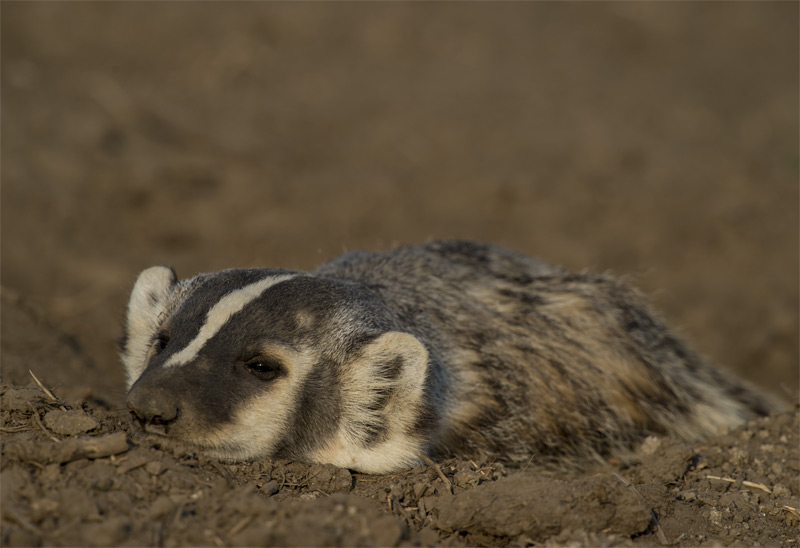
Out of place colors, tones, and forms (Bighorn Sheep & badger)
Movement (Coyote)
Noise (Prairie rattlesnake)