by Osprey Photo Workshops & Tours | Dec 30, 2014 | Digital Photography, Nature Photography, Photo Tours, Photo Workshops, Wildlife, Wildlife Photography
“A Passion for Wildlife Photography, the Stories Behind the Images” is the title of a presentation that I delivered numerous times during the last three years for a variety of sponsors– conferences, universities, environmental organizations, libraries, and camera clubs. During the program, I discuss the strategies, techniques, and equipment required to capture the beauty of animals in the wild and their behavior with a D-SLR camera. Over a series of blogs I will share some of my thoughts, tips and images relating to the subject.
What motivates me?
Wildlife photography…
Allows me to see anatomical details
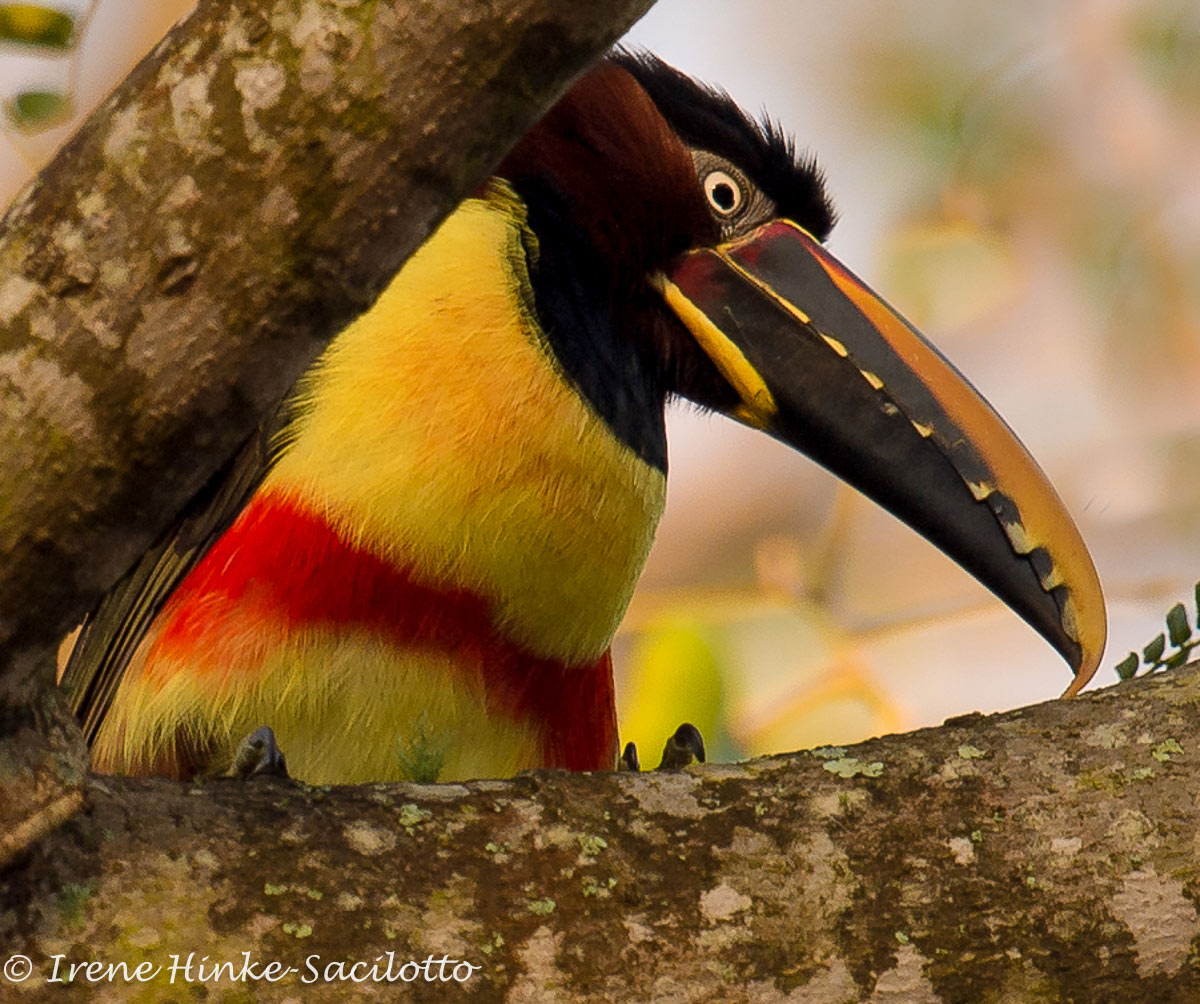
Provides insight into aspects of animal behavior often missed by casual observation

Crested Caracara
Helps me develop increased awareness of my surroundings, seeing things that never would have been noticed without a camera in hand

Monk Parakeet
Enables me to freeze action and see things that happen too fast for the eye to register

Willets
Provides me with a sense of inner peace since quality wildlife photography requires total absorption & focus on the subject

Prairie Dog
Allows me to connect with the subject and react to its movements without thinking.

American Oystercatcher
Provides me with a way to share my adventures and vision

Toco Toucan
Enjoy the New Year and give thanks for nature’s amazing gifts.
Irene
by Osprey Photo Workshops & Tours | Dec 19, 2014 | Fun Photos, Photo Technique, Photo Workshops, Wildlife
UPCOMING PRESENTATION: Camera Clubs & Conferences

“A Passion for Wildlife Photography, The Stories Behind the Images”
by Irene Hinke-Sacilotto
Based on my more than 30 years’ experience photographing birds and other animals, this program covers the knowledge, strategies, techniques, and equipment required to capture professional images. Includes interesting insight into Irene’s motivation for pursuing wildlife photography. I will cover methods for locating, attracting, and approaching animals along with prime locations for wildlife photography, the use of photographic blinds, and stalking techniques. Includes images and experiences from my recent trip to Brazil’s Pantanal, one of the world’s largest tropical wetlands.
CLUBS & DATES
St. Mary’s County Camera Club, 4 Feb 2015
Fairhaven Comcam, 13 Feb 2015
Florida Camera Club Conference – 6-8 Mar 2015
Churchville Camera Club, 6 Apr 2015
Ocean Pines Camera Club, 11 May 2015
Berks Photographic Society’s 2015 Photography Conference, 5-7 Jun 2015, www.berksphotocon.com
OLLI photo club (Fairfax Co.), 10 July 2015
Carroll Camera Club, 20 Jul 2015
New Clubs Welcomed
by Osprey Photo Workshops & Tours | Dec 17, 2014 | Photo Tours, Sedona, Wildlife
In early January, I will be heading to Sedona and then across to Bosque del Apache NWR, NM. I am looking forward to the trip and hoping for great photos. Sedona lies in the heart of red rock country, surrounded by colorful buttes, spires, pinnacles, and canyons. This beautiful part of the Arizona has formations with descriptive names such as ship rock, cockscomb, and cathedral rock serve as intriguing backdrops for photos. If you love art, there are great galleries in town. After a week in Sedona, I will head east through Arizona’s Petrified Forest & Painted Desert, overnighting in Gallup and hoping to dine at my favorite restaurant in the heart of the town – Jerry’s with great Mexican Pizza (Indian Taco). I will continue east visiting the Acoma Pueblo for photos and then old town Albuquerque, before reaching my hotel in Socorro, near Bosque del Apache NWR. In January, photo opportunities are great as its wetlands and fields of the refuge provide resting and feeding areas for thousands of sandhill cranes and snow geese plus eagles, ducks and other wildlife. Arriving before dawn each day I hope to capture the morning spectacle as thousands of geese rise in unison from refuge wetlands and head to nearby fields to feed. Other great photo opportunities include eagles, hawks, ducks, coyotes and other wildlife. (Site of my 2015 photo workshop)


by Osprey Photo Workshops & Tours | Jun 29, 2013 | Photo Tours, Photo Workshops, Tangier Island, Travel, Wildlife

Black Skimmer with fish flying over beach.
TANGIER ISLAND Photo Workshop
See Website for details (Schedule) & Photo Gallery: www.ospreyphoto.com
21-31 May 2015
In the middle of the Chesapeake Bay, just south of the Maryland line, is Tangier Island, VA. It is actually a series of small islands connected by narrow wooden bridges spanning marshes and tidal creeks. Tangier is a charming community and home to waterman who make their living, as did their ancestors, crabbing, fishing, and oystering. At dawn, we will photograph the waterman as they motor out to their crab shanties to gather supplies for the day. From a boat I charted, we will be able to capture images of the offshore structures and crabbers as they work.

Workboat at Sunset
We will also explore the beach, tidal creeks, and wetlands in search of wildlife – ducks, herons, skimmers, pelicans, and osprey which nest in large numbers nearby. Includes golf cart transportation, 2 nights at B&B, and image critiques.


Sunrise Tangier Island
Tangier Island Description
Just south of the Maryland line, in the middle of the Chesapeake Bay, lies Tangier Island, VA. Covering approximately 1.2 square miles, Tangier Island is actually a series of small islands connected by a series of narrow wooden bridges spanning marshes and tidal creeks.

Dunlin. Visit the island during the spring.
Tangier is a charming community of waterman and shop owners, often referred to as the soft crab capital of the world. Many born on the island speak a unique dialect of English dating back to the language used by those who settled the island from Cornwall England. For visitors, animated conversations between islanders can be somewhat difficult to understand. Inhabitants make their living as did their ancestors for more than 400 years by crabbing, fishing, and oystering. Each day well before dawn, the waterman depart the island for their off shore docks and crab shanties to retrieve their crab pots, soft crab scrapes, floats, and other gear required to harvest the blue crabs which are abundant near the island. After hours on the water, they return to off load their catch for shipment back to the mainland and to tend to their soft crab shedding tanks. It is a difficult life, with long days at the mercy of the weather and seas.

Wildlife is plentiful in the marshes, creeks, beaches, and waters surrounding the island. Ducks, geese, herons, rails, shorebirds, terns, and pelicans take advantage of the abundant food supply and shelter.
To the delight of photographers, there is a healthy population of ospreys with many nesting on nearby structures and soaring overhead.
Isolated from the mainland, Tangier can only be reached by boat or small plane. Golf carts replace cars as the primary mode of transportation on the island since the streets are narrow and barely wide enough for 2 carts to pass. It’s a peaceful community with friendly people and no traffic lights or violent crime. There are no banks, arcades, and only 2 bed and breakfast accommodations. Bring cash since not all establishments accept credit cards. Cell phone connection difficult. Limited Wi-Fi.

Tangier Island is worth a visit for a rare opportunity to photograph a unique way of life that is slowly disappearing. Potential subjects include work boats, offshore crab shanties & docks, working waterman, an active waterfront, birds, beaches, and lots more. Best times to visit – mid April to early Oct. Favorite B&B – Bay View Inn (photo below).
by Osprey Photo Workshops & Tours | May 14, 2013 | Digital Cameras, Nature, Photo Technique, Wildlife
Heading upstairs at a friend’s house, I looked out the large window facing the backyard and spotted two squirrels rolling around in a ball on the grass. I was fascinated by their antics but was skeptical that I could get shots of the action. I took a chance and I ran back downstairs and grabbed my Nikon D4 camera fitted with the newer 80-400 mm lens. To avoid detection and disturbing the action, I had to shoot from inside through glass, a technique that typically results in less than satisfactory results. Luckily the pane was clear and recently cleaned. I removed the lens shade and moved the lens face close to the window to avoid reflections. Since the squirrels were in moderate shade, I had to increase my ISO to 1250, an ISO easily handled by the D4. See the results here and in a small album on Facebook.com/ospreyphotoworkshops

by Osprey Photo Workshops & Tours | Mar 2, 2013 | Assateague, Chicoteague, horses, Wildlife
Assateague Island’s Wild Horses & the famous Chincoteague Ponies.
Most likely not the romantic notion that the horses are escapees from a shipwrecked Spanish Galion is not true. They are most likely descendants of domestic animals transported to Assateague Island in the 1600s to graze on marsh grasses, enabling their owners to avoid fencing laws and taxes on livestock. Sturdy animals, they are able to withstand the island’s heat, mosquitos, winds, salt spray, storms, and relatively poor food supply.
There are two separate herds, one in Maryland & one in Virginia on Chincoteague National Wildlife Refuge. They are kept apart by a fence at the MD line. The herds have divided themselves into bands of 2 to 12 animals, each occupying their own home range. The MD herd is managed by the National Park Service and the horses have been left in a relatively wild state. The wild horses attract visitors to Assateague Island National Seashore, a favorite sighting amongst visitors. The herd size is controlled by using birth control. The southern herd is located on Chincoteague National Wildlife Refuge and is owned by the Chincoteague Volunteer Fire Dept. They are visited by a veterinarian periodically, vaccinated, and provided with food when supplies of short. They are allow to graze on the National Wildlife Refuge by special permit and their numbers are limited to 150 in order to protect critical wildlife habitat and to avoid disturbing nesting birds such as the piping plover. Each year at the end of July, during the festival called “pony penning”, the horses are rounded up by the fire department’s “salt water cowboys” and swim from Assateague to Chincoteague Island where young foals are sold at auction, proceeds benefiting the Volunteer Fire Dept.
It’s a joy to watch the horses interact, but this is best done at a distance. Each year people get bitten or kicked when they approach too closely. Despite their friendly, docile appearance, they are still wild animals, not to be trusted. See my face book page (facebook.com/ospreyphotoworkshops) for a series of images of these magnificent animals.
 Join me in a photo workshop on Assateague Island National Seashore, April 19-21, 2013. For info, contact Christina Hulslander 443-614-3547 or the Assateague Island Alliance at assateagueislandalliance@gmail.com. Check facebook.com/ospreyphotoworkshops for more images and details.


