by Osprey Photo Workshops & Tours | Jan 10, 2015 | Nature Photography, Photo Technique, Photo Tours, Photo Workshops, Wildlife, Wildlife Photography
SPOTTING WILDLIFE
SHAPES, COLORS, TONES
Spotting wildlife is a learnable skill. When visiting an unfamiliar area, my ability to see animals in the new habitat improves with time. I become sensitive to colors, shapes, and tones that are out of place in the new environment.

Burrowing Owl – Yellow Eyes

Eastern cottontail, Shape out of place

Badger, White stripes attract attention

Bighorn Sheep, easy to spot white rumps
MOVEMENT
When animals are highly camouflaged by their surroundings, they are more easily spotted when they move. This is ideal for spotting coyotes or grouse hidden by prairie grasses or herons blending in or hidden by reeds.

Coyote hiding in grass

Yellow-crowned Night Heron, feeding on crabs. Most of the time hidden in grass.

American Bittern, When facing forward and pointing the bill skyward, bird is nearly invisible appearing to be grass.

Ghost Crab. Camouflaged with coloration that matches the sand and reflects light keeping it cool. Hard to see until it moves.
SOUND
Characteristic bird calls such as those from an osprey or kingfisher, courtship songs, screams of alarm or distress, rustling brush, spouting whales, the rattle of a rattle snake, splashing water, etc. Just listen.

Sandhill flying to join group, call got my attention

Prairie Rattle Snake

Prairie dog barking a warning brought my attention to the colony.

Osprey, Easily recognized high pitch call

Roadrunner courting. Call woke me from mid-day siesta.
HABITS & PATTERNS
Animals repeat behaviors and knowing the patterns can give you an edge photographing them. When I see an animal in the same area at about the same time each day, I know there is an increased chance I will encounter it again in the same region and hopefully this time with a camera in hand. If a heron is fishing in a pond, does it move in a predictable manner where you could photograph it as it moves or pre-focus at a point where it will cross? Does a heard of pronghorn or elk meander in a consistent direction where you could adjust your movements to intersect their path?

Sanderlings running along edge of surf

Black Skimmer, fishes in shallows often following bank

Pronghorn, herds often move in a particular direction. Anticipate where they are heading and move to intersect their path. Don’t walk directly towards them.
More to come about photographing wildlife in future blogs.
by Osprey Photo Workshops & Tours | Dec 30, 2014 | Digital Photography, Nature Photography, Photo Tours, Photo Workshops, Wildlife, Wildlife Photography
“A Passion for Wildlife Photography, the Stories Behind the Images” is the title of a presentation that I delivered numerous times during the last three years for a variety of sponsors– conferences, universities, environmental organizations, libraries, and camera clubs. During the program, I discuss the strategies, techniques, and equipment required to capture the beauty of animals in the wild and their behavior with a D-SLR camera. Over a series of blogs I will share some of my thoughts, tips and images relating to the subject.
What motivates me?
Wildlife photography…
Allows me to see anatomical details
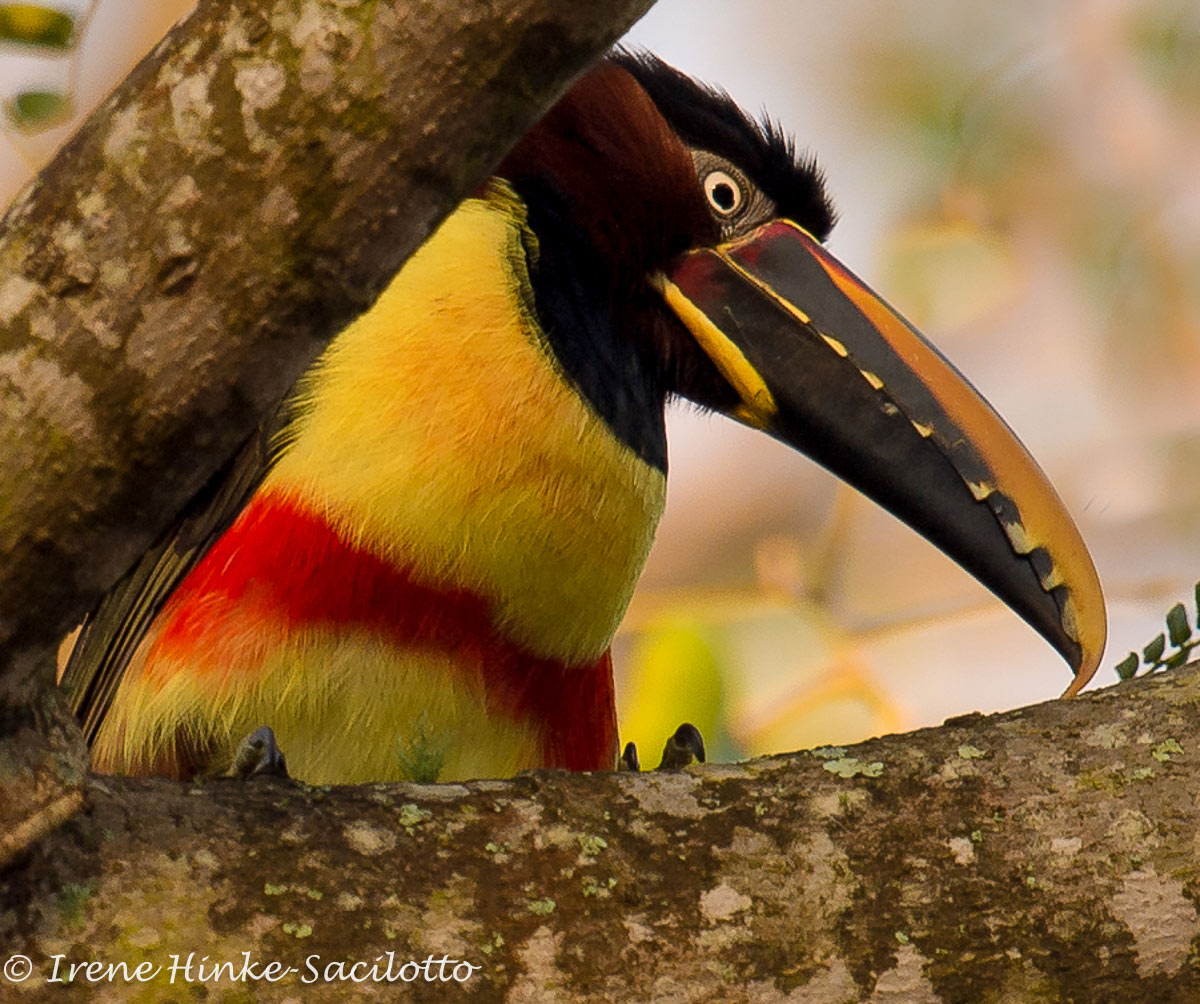
Provides insight into aspects of animal behavior often missed by casual observation

Crested Caracara
Helps me develop increased awareness of my surroundings, seeing things that never would have been noticed without a camera in hand

Monk Parakeet
Enables me to freeze action and see things that happen too fast for the eye to register

Willets
Provides me with a sense of inner peace since quality wildlife photography requires total absorption & focus on the subject

Prairie Dog
Allows me to connect with the subject and react to its movements without thinking.

American Oystercatcher
Provides me with a way to share my adventures and vision

Toco Toucan
Enjoy the New Year and give thanks for nature’s amazing gifts.
Irene
by Osprey Photo Workshops & Tours | Jun 29, 2013 | Photo Tours, Photo Workshops, Tangier Island, Travel, Wildlife

Black Skimmer with fish flying over beach.
TANGIER ISLAND Photo Workshop
See Website for details (Schedule) & Photo Gallery: www.ospreyphoto.com
21-31 May 2015
In the middle of the Chesapeake Bay, just south of the Maryland line, is Tangier Island, VA. It is actually a series of small islands connected by narrow wooden bridges spanning marshes and tidal creeks. Tangier is a charming community and home to waterman who make their living, as did their ancestors, crabbing, fishing, and oystering. At dawn, we will photograph the waterman as they motor out to their crab shanties to gather supplies for the day. From a boat I charted, we will be able to capture images of the offshore structures and crabbers as they work.

Workboat at Sunset
We will also explore the beach, tidal creeks, and wetlands in search of wildlife – ducks, herons, skimmers, pelicans, and osprey which nest in large numbers nearby. Includes golf cart transportation, 2 nights at B&B, and image critiques.


Sunrise Tangier Island
Tangier Island Description
Just south of the Maryland line, in the middle of the Chesapeake Bay, lies Tangier Island, VA. Covering approximately 1.2 square miles, Tangier Island is actually a series of small islands connected by a series of narrow wooden bridges spanning marshes and tidal creeks.

Dunlin. Visit the island during the spring.
Tangier is a charming community of waterman and shop owners, often referred to as the soft crab capital of the world. Many born on the island speak a unique dialect of English dating back to the language used by those who settled the island from Cornwall England. For visitors, animated conversations between islanders can be somewhat difficult to understand. Inhabitants make their living as did their ancestors for more than 400 years by crabbing, fishing, and oystering. Each day well before dawn, the waterman depart the island for their off shore docks and crab shanties to retrieve their crab pots, soft crab scrapes, floats, and other gear required to harvest the blue crabs which are abundant near the island. After hours on the water, they return to off load their catch for shipment back to the mainland and to tend to their soft crab shedding tanks. It is a difficult life, with long days at the mercy of the weather and seas.

Wildlife is plentiful in the marshes, creeks, beaches, and waters surrounding the island. Ducks, geese, herons, rails, shorebirds, terns, and pelicans take advantage of the abundant food supply and shelter.
To the delight of photographers, there is a healthy population of ospreys with many nesting on nearby structures and soaring overhead.
Isolated from the mainland, Tangier can only be reached by boat or small plane. Golf carts replace cars as the primary mode of transportation on the island since the streets are narrow and barely wide enough for 2 carts to pass. It’s a peaceful community with friendly people and no traffic lights or violent crime. There are no banks, arcades, and only 2 bed and breakfast accommodations. Bring cash since not all establishments accept credit cards. Cell phone connection difficult. Limited Wi-Fi.

Tangier Island is worth a visit for a rare opportunity to photograph a unique way of life that is slowly disappearing. Potential subjects include work boats, offshore crab shanties & docks, working waterman, an active waterfront, birds, beaches, and lots more. Best times to visit – mid April to early Oct. Favorite B&B – Bay View Inn (photo below).
by Osprey Photo Workshops & Tours | May 14, 2013 | Digital Cameras, Nature, Photo Technique, Wildlife
Heading upstairs at a friend’s house, I looked out the large window facing the backyard and spotted two squirrels rolling around in a ball on the grass. I was fascinated by their antics but was skeptical that I could get shots of the action. I took a chance and I ran back downstairs and grabbed my Nikon D4 camera fitted with the newer 80-400 mm lens. To avoid detection and disturbing the action, I had to shoot from inside through glass, a technique that typically results in less than satisfactory results. Luckily the pane was clear and recently cleaned. I removed the lens shade and moved the lens face close to the window to avoid reflections. Since the squirrels were in moderate shade, I had to increase my ISO to 1250, an ISO easily handled by the D4. See the results here and in a small album on Facebook.com/ospreyphotoworkshops

by Osprey Photo Workshops & Tours | Mar 24, 2013 | Digital Cameras, Editing Software, Photo Editing

Lexi
Adobe Photoshop Elements 11 is a great software program for organizing and editing digital images and runs on both PC and MAC computers. Priced at under $ 64.00 on Amazon, it is far more affordable than its big brother Adobe Photoshop CS6, costing relatively $600.00. Despite its inexpensive price, Elements is a very powerful program, intuitive and is easy to use. It even has some of the sophisticated editing tools found in CS such as masks, layers, and selections. It is designed to meet the needs of most amateur photographers whereas Photoshop CS is more complex and more suitable for graphic artists and pro photographers. Elements consists of two modules – the Organizer & Editor. With the organizer, you can import images into your computer, rank them, and arrange them in a way that you can easily retrieve the images at a later date using file names, captions, keywords, file size, camera, locations, events, people’s names, and much more. With the Editing module, you can enhance your images producing photographs suitable for display. You can crop; straighten; sharpen; correct color casts; reduce noise, remove dust specks; cover distractions; add text; soften wrinkles; and adjust exposure, color saturation, and contrast. You can prepare images for printing, e-mail, and posting on the web plus to create cards, calendars and slide shows. For those with little experience editing, Elements provides “Guided Edits” that take you step-by-step thru the editing process including creating more complex effects such as vignettes. For little money, the Elements provides a great introduction to the editing process. Why not display your images at home and in the office and share memories with friends and family in e-mails and on Facebook and the web?
Look for my Adobe Photoshop Elements 11, Basic Editing Class in August in White Marsh, MD. Class size limited to 6. For the best price for the program, check out www.Amazon.com


