by Osprey Photo Workshops & Tours | Dec 30, 2014 | Digital Photography, Nature Photography, Photo Tours, Photo Workshops, Wildlife, Wildlife Photography
“A Passion for Wildlife Photography, the Stories Behind the Images” is the title of a presentation that I delivered numerous times during the last three years for a variety of sponsors– conferences, universities, environmental organizations, libraries, and camera clubs. During the program, I discuss the strategies, techniques, and equipment required to capture the beauty of animals in the wild and their behavior with a D-SLR camera. Over a series of blogs I will share some of my thoughts, tips and images relating to the subject.
What motivates me?
Wildlife photography…
Allows me to see anatomical details
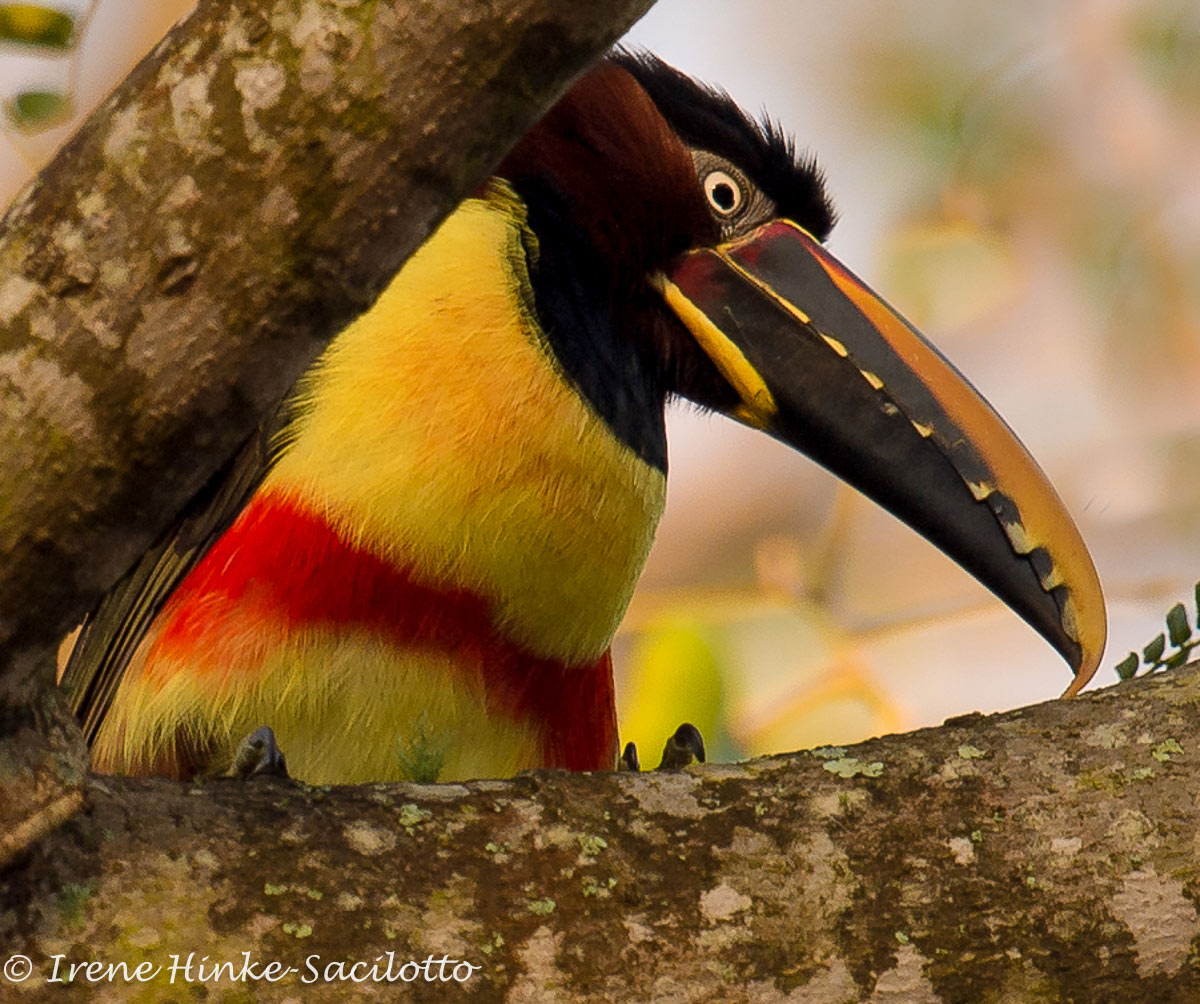
Provides insight into aspects of animal behavior often missed by casual observation

Crested Caracara
Helps me develop increased awareness of my surroundings, seeing things that never would have been noticed without a camera in hand

Monk Parakeet
Enables me to freeze action and see things that happen too fast for the eye to register

Willets
Provides me with a sense of inner peace since quality wildlife photography requires total absorption & focus on the subject

Prairie Dog
Allows me to connect with the subject and react to its movements without thinking.

American Oystercatcher
Provides me with a way to share my adventures and vision

Toco Toucan
Enjoy the New Year and give thanks for nature’s amazing gifts.
Irene
by Osprey Photo Workshops & Tours | Nov 16, 2012 | Outer Banks, Photo Tours, Photo Workshops, Travel, Wildlife
OUTER BANKS PHOTO WORKSHOP
5-9 December 2012
with Irene Hinke-Sacilotto
Sponsored by Norfolk Bottanical Gardens

This extended weekend photo workshop on the Outer Banks includes a variety of photographic opportunities with visits to local lighthouses, beaches, inland dunes, small boat harbors, historic sites, wildlife refuges, and parks intermixed with critiques of participant images. The Outer Bank’s miles of pristine shoreline and shifting dunes are some of the most beautiful in North America. Over the ocean, along the shore, and in the marshes, waterways, and forests, we will search for wildlife characteristic of the region, including pelicans, herons, shorebirds, warblers, pelagic seabirds, dolphins, and more. To photograph snow geese and other waterfowl, we will visit Pea Island National Wildlife Refuge. For close-up bird photography, we will drive inland to Sylvan Heights Bird Park near Scotland Neck where over 1500 ducks, geese, swans, and other exotic birds reside in 18 acre facility which includes large walk through aviaries and natural habits for North Carolina’s native species. Other locations to be visited include Jockey’s Ridge; Bodie, Currituck Beach, & Cape Hatteras Lighthouses; Wanchese harbor; and Hatteras National Seashore. Field excursions will be mixed with critique sessions @ Outer Banks Beach Club II, Kill Devil Hills. (7:30 PM,Wed.5 Dec –2:30 PM, Sun. 9Dec.) For details, contact www.ospreyphoto.com or http://www.norfolkbotanicalgarden.org/programs-events. Register with Norfolk Botanical Gardens. For additional information, please call (757) 441-5830, ext 338; Monday – Friday between 10AM – 2 PM or email:registrar@nbgs.org.

by Osprey Photo Workshops & Tours | Oct 21, 2012 | Uncategorized


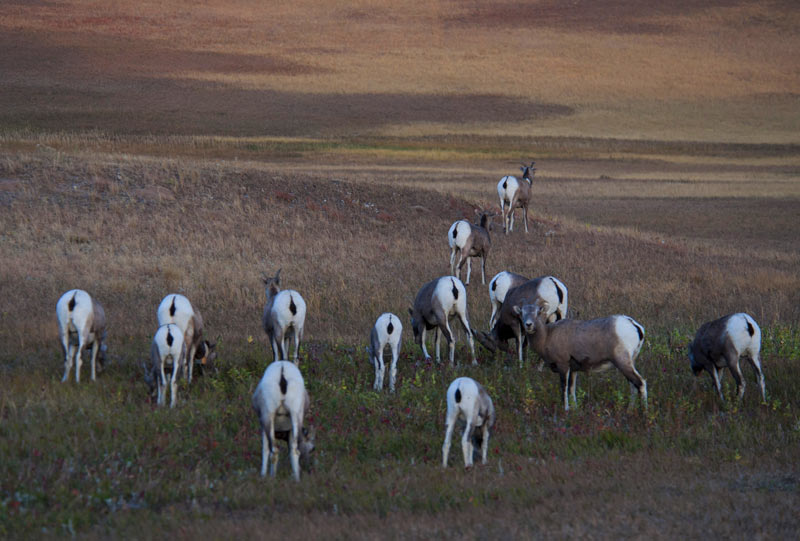
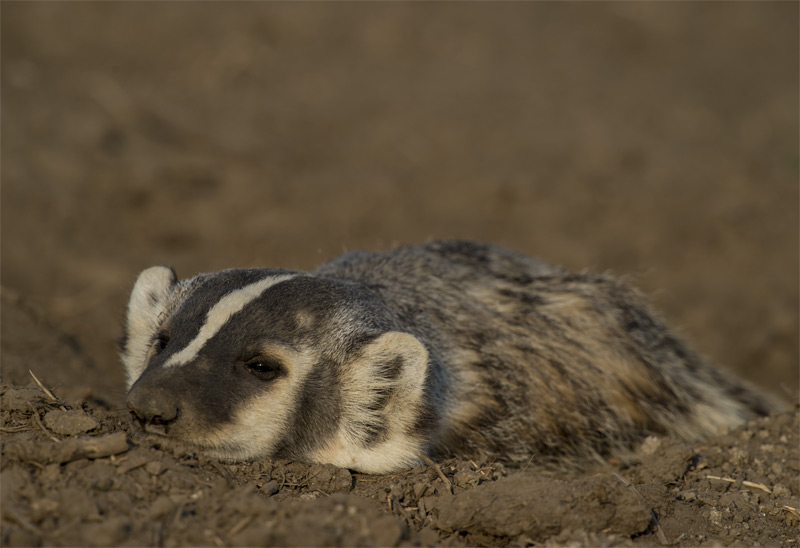
 My recent photo tour in South Dakota late September reminded me of what a fantastic destination it is– overflowing with both landscape and wildlife photo opportunities. This is the third workshop I conducted and from this experience, there are bound to be more. The trip included the Badlands, Black Hills, Wind Cave, Needles, Spearfish Canyon, and Rushmore.
With regard to photographing wildlife, here are some tips to help you spot animals in the field. Look for:
Out of place colors, tones, and forms (Bighorn Sheep & badger)
Movement (Coyote)
Noise (Prairie rattlesnake)
by Osprey Photo Workshops & Tours | Jan 18, 2012 | Nature, Photo Tours, Travel, Wildlife

On recent trip to Argentina, to avoid carrying laptop, I took my IPAD2 and 1 HyperDrive Colorspace UMDA and a second HyperDrive iPad2 Hard Drive. I copied by images from my compact flash cards to each HyperDrive (750 G capacity). Therefore I had 2 copies of each image file. The data transfer rate from the compact flash cards to the HyperDrives is very rapid, saving time. In With the HyperDirves I could see small versions of my files to confirm transfer and judge the quality of the images to some degree. . With the HyperDrive made for the IPAD2, I could download select images to the IPAD2 where I could enlarge them and edit them to see their quality. I could then share the images with others or send them via e-mail. I could get my e-mail and connect with the internet with the IPAD2 in locations where there was a WIFYaccess. Therefore a laptop really wasn’t necessary. Nice alternative for handling image data on long trips.HyperDrives – great asset for long trips.

by Osprey Photo Workshops & Tours | Jan 7, 2012 | Nature, Photo Tours, Travel, Wildlife
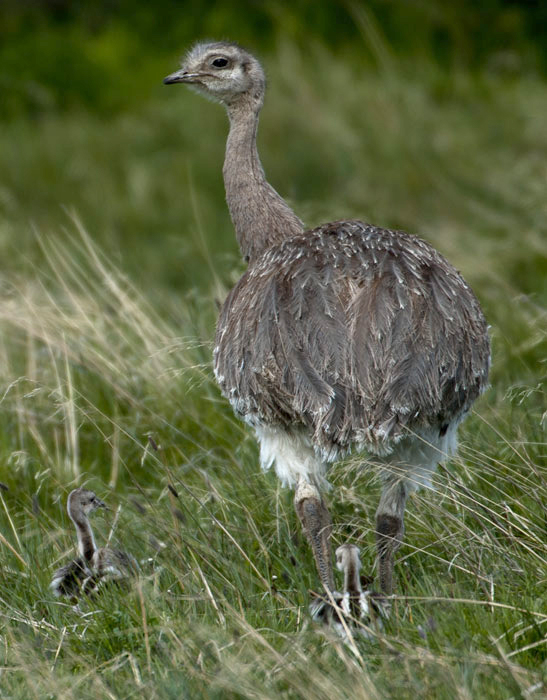
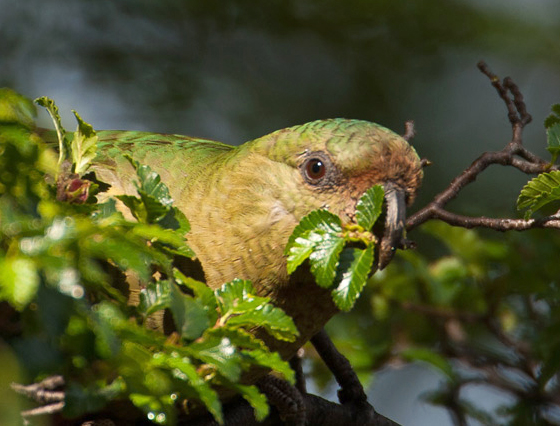
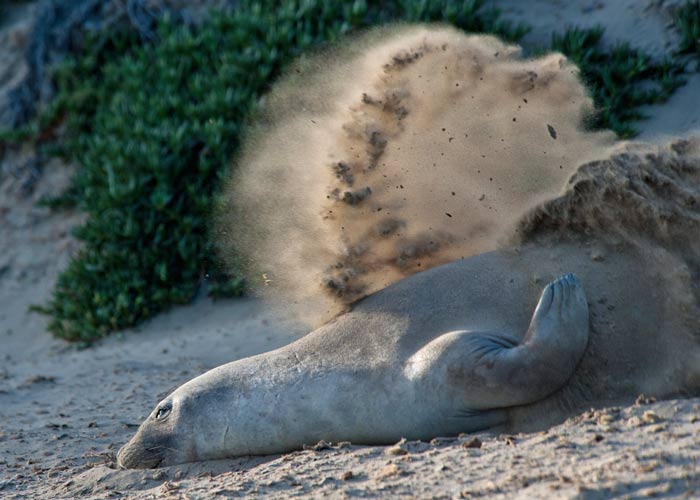
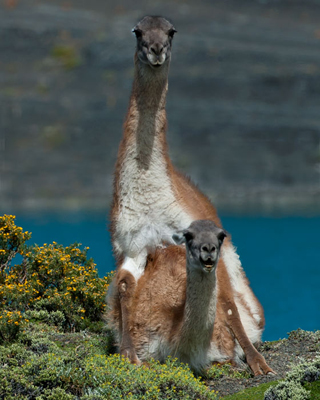
 Looking for a great place for photography, try Argentina & southern Chile. This past December I spent two weeks leading a small photo tour from a tropical rainforest north of Buenos Aires to the dry wind-swept Patagonian steppe and snow-capped Andean mountains. Capturing great wildlife and scenic photographs was our goal as we explored Valdés Peninsula, Los Glaciares National Park (NP), Torres del Paine NP in Chile, and the steamy jungle surrounding Iguazú Falls. Breaching whales, penguins by the thousands, sea lions sunning themselves, iridescent hummingbirds sipping the nectar from tropical flowers, flightless rhea mother leading her family across the road, and male guanacos on hind legs, spitting and fighting for the right to breed. Visit www.ospreyphoto.com for more programs.
Upcoming photo tour – Iceland in late June.