by Osprey Photo Workshops & Tours | Nov 6, 2016 | Autumn photography, Fall photography, Nature Photography, North Dakota, Photo Tour, Photo Tours, Photo Workshops, South Dakota, Wildlife, Wildlife Photography

NORTH AND SOUTH DAKOTA BADLANDS, Trip Report, September 2016.
While scouting locations with Sandy Zelasko and preparing for our spring workshop, we visited both the Badlands in North Dakota (Theodore Roosevelt NP) and the Badlands and Black Hills in South Dakota.
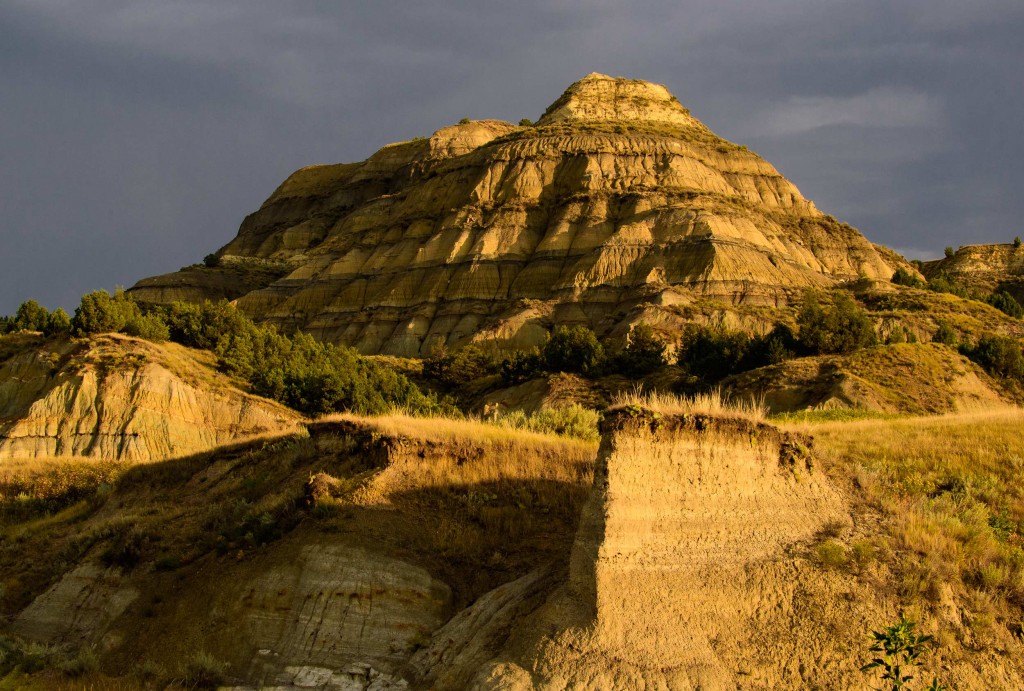
Badlands in North Dakota, Theodore Roosevelt NP.
The Badlands of THEODORE ROOSEVELT National Park (NP) in North Dakota were impressive but not as colorful as those in South Dakota. However some eroded formations were unique including spheres and other oddly shaped rocks balanced on top of ridges or embedded in canyon walls. My favorite subjects were the wild horses, which we encountered in several locations. In North Dakota, the wildlife was not as visible or easy to photograph as in South Dakota Badlands where we found bighorn sheep, pronghorn antelope, mule deer, prairie dogs, buffalo, turkey, grouse, and in the past, badger. From our modest but comfortable motel (Cowboy Inn) in the town of Belfield, ND, we were approximately a 20-minute drive from the southern entrance to the park and an hour from the northern segment. Both areas are worth visiting. However after comparing our experiences in both North Dakota and South Dakota, we decided that the best photo opportunities with a mix of wildlife and landscape photography was in the South Dakota Badlands where we will offer our next photo workshop in early June 2017.
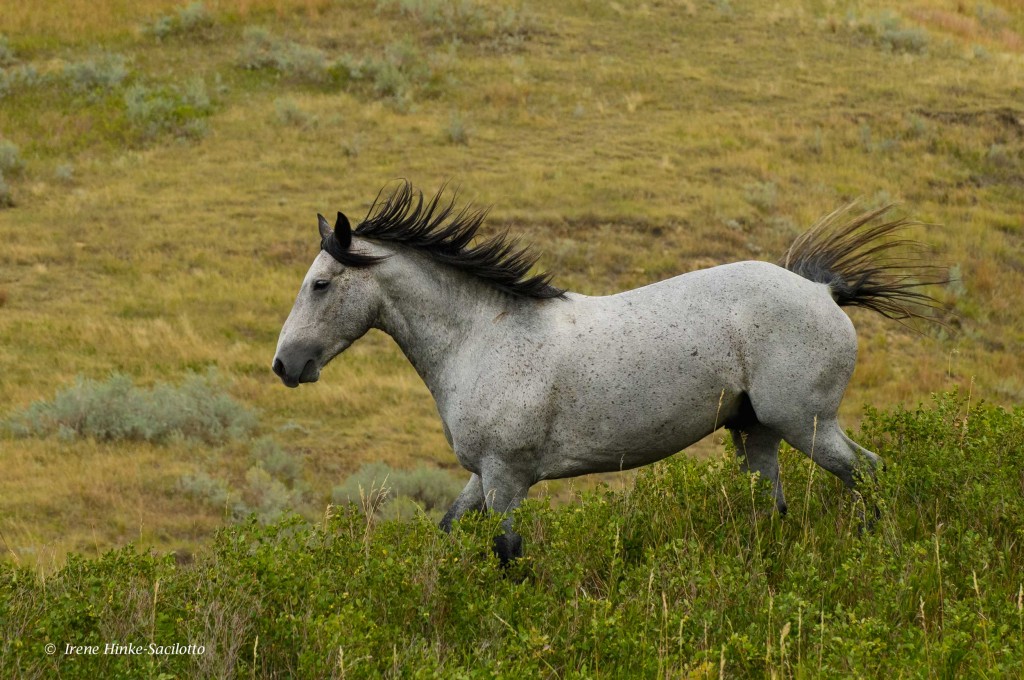
Wild horse

Deer a field in North Dakota
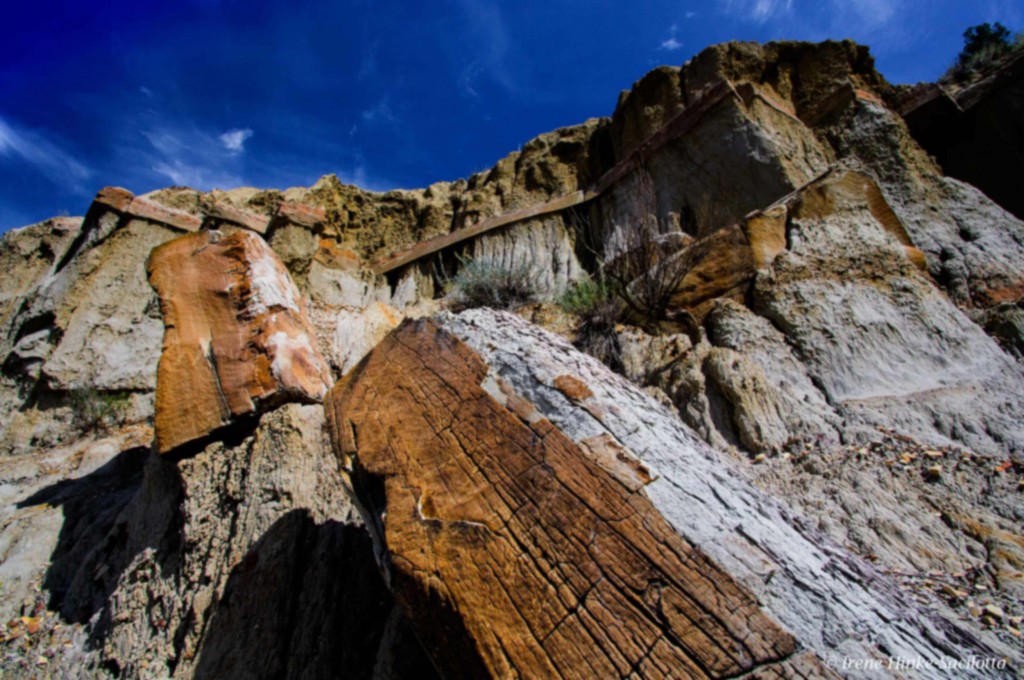
North Dakota Badlands with slanted rock.

Buffalo at sunset.
A paved road loops through the 24,000 acre Badlands NP in South Dakota with scenic overlooks and traveling between the sharply eroded buttes, pinnacles, pedestals, and spires and undisturbed mixed grass prairie that characterizes the park. The badlands were formed from alternating layers of hard and soft rocks and soil. Easily eroded materials such as clay or mud-stone is topped by more resistant materials, such as sandstone, with the harder horizontal layer protecting the soft deposits. There are a number of hiking trails to provide a closer look at the unique geology of the region. North, Door and Window trails near the North East entrance to the park meander amongst the formations, for an up-close and personal look at the rocks layers.
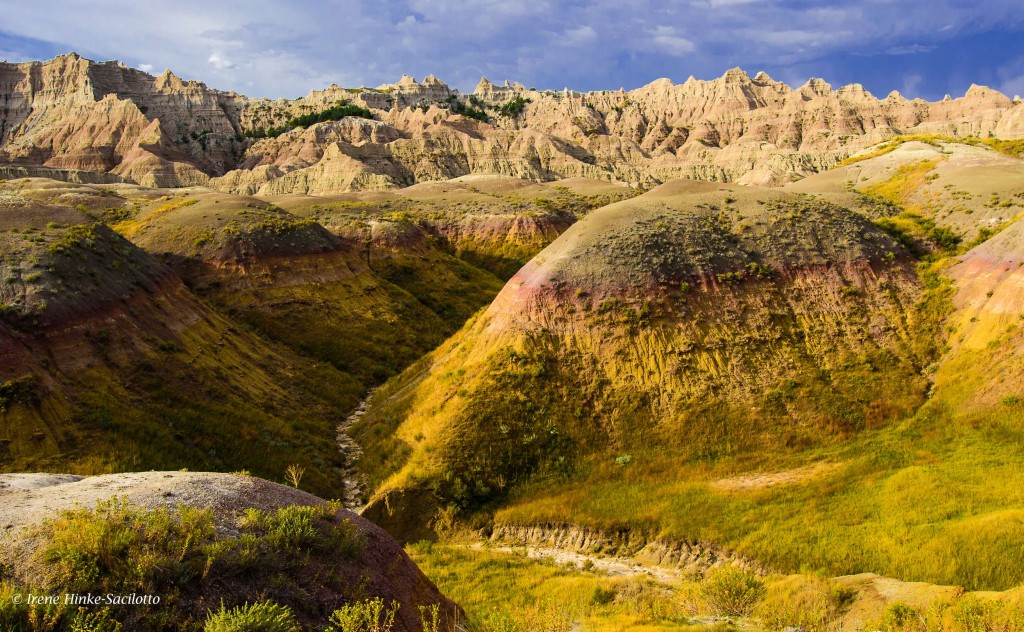
Yellow Mounds
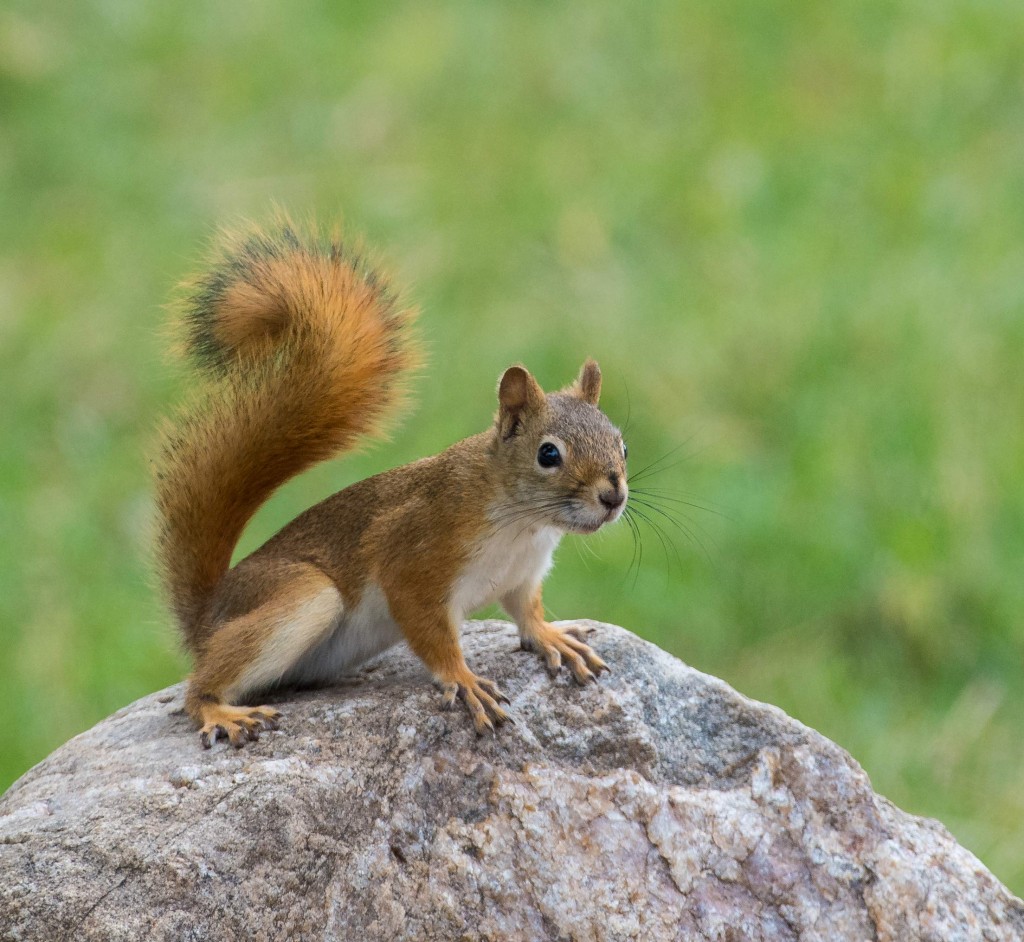
Red Squirrel
It s hard to pick a favorite location for photography within the park since there were so many sites to choose from. I loved the sulfur mounds and eroded formations near Dillon Pass and Conata Basin but was equally fascinated by the alternating tan and rusty bands of color from oxidized iron near Saddle Pass Trail. Southern views from Sage Creek Rim Road also offered great opportunities for landscape photography with deep ravines and colorful mounds eroded by wind and rain. Along the
gravel road is a good place to spot wildlife in and about Roberts Prairie Dog town. Buffalo, pronghorn, and bighorn sheep graze on the grasses while coyotes stalk unsuspecting prey. It was here I photographed a badger at close range during my last visit. Actually the best place this year for prairie dog shots was along a less traveled dirt side road running north as you head east past Contata Road and Dillon Pass. With little disturbance from traffic, the prairie dogs were more cooperative and allowed us to shoot belly down on the ground. More remarkable, along the same road, a coyote slowly walked towards our car and crossed the road in front us into the grassland paying little attention to the sound of our cameras firing off a burst of shots.

Bighorn Sheep
Sheep Mountain Table in the Southern Stronghold area of the park is worth a visit if you have a car with high clearance able to climb the steep dirt road that leads to the top of the mesa. It’s a peaceful place with few visitors where you can enjoy views in all directions from the high vantage point. On the Western edge of the Badlands on the way to the mesa from Sage Creek Rim Road, Scenic is a nearly abandoned town off the main highway that offers you a glimpse in the past with unique photo opportunities. Here you can photograph your friends behind bars in a historic jail or in front of the once lively Longhorn Saloon where steer skulls line the roof of the building. If you look hard at the sign on the face of the building, you will notice a somewhat disturbing message indicating who was welcome. If you look hard, the first word “NO” is painted over.
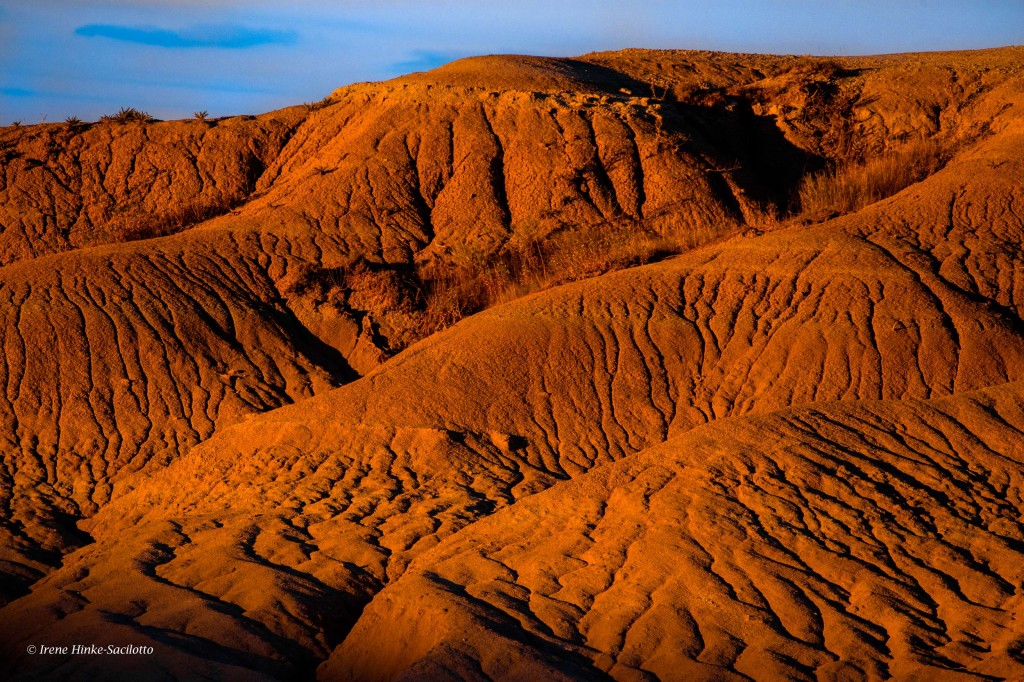
Eroded mounds at Sunset
GIGANTIC FIELDS OF SUNFLOWERS. On the first leg of the trip, Sandy and I explored the back roads from Rapid City to Belfield, ND, where we stayed while exploring the area. From there headed south to Wall and the Badlands of South Dakota. Along route 73 south of Lemmon and elsewhere, we discovered huge fields of sunflowers, much larger than any I have seen in Maryland. Although some flowers were past their prime, we stopped to take photos of several fields in prime condition with macro, telephoto, and wide-angle lenses. Surprised at the number and size of the fields, I checked the Internet to find that this area is one of the highest producers of sunflowers in the U.S. The seeds are used in the production of sunflower oil as well as for consumption by humans and birds.
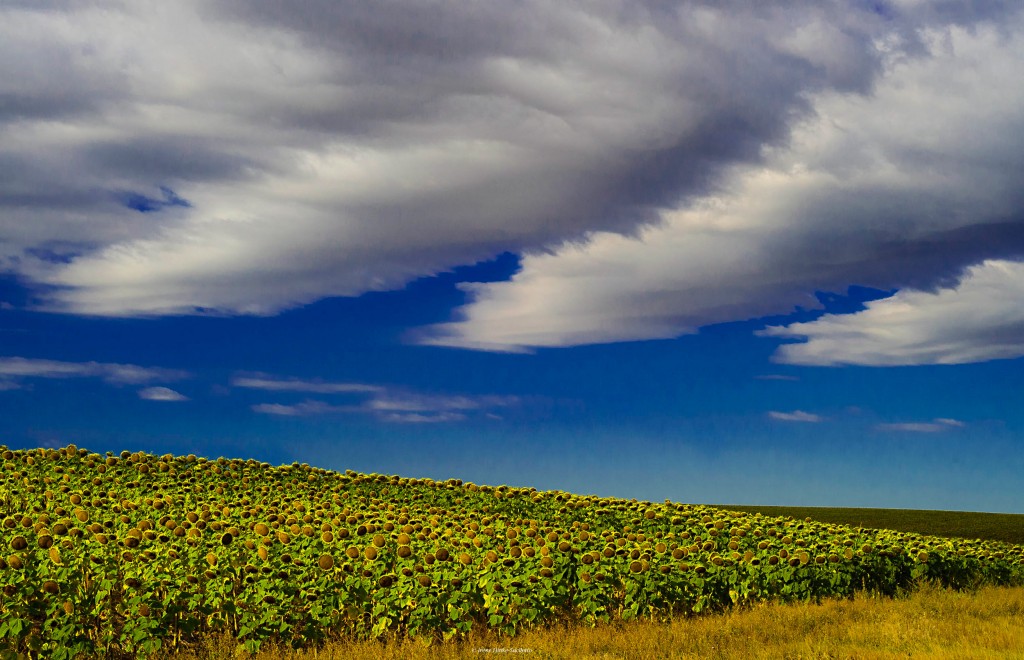
Sunflower field

Marmot
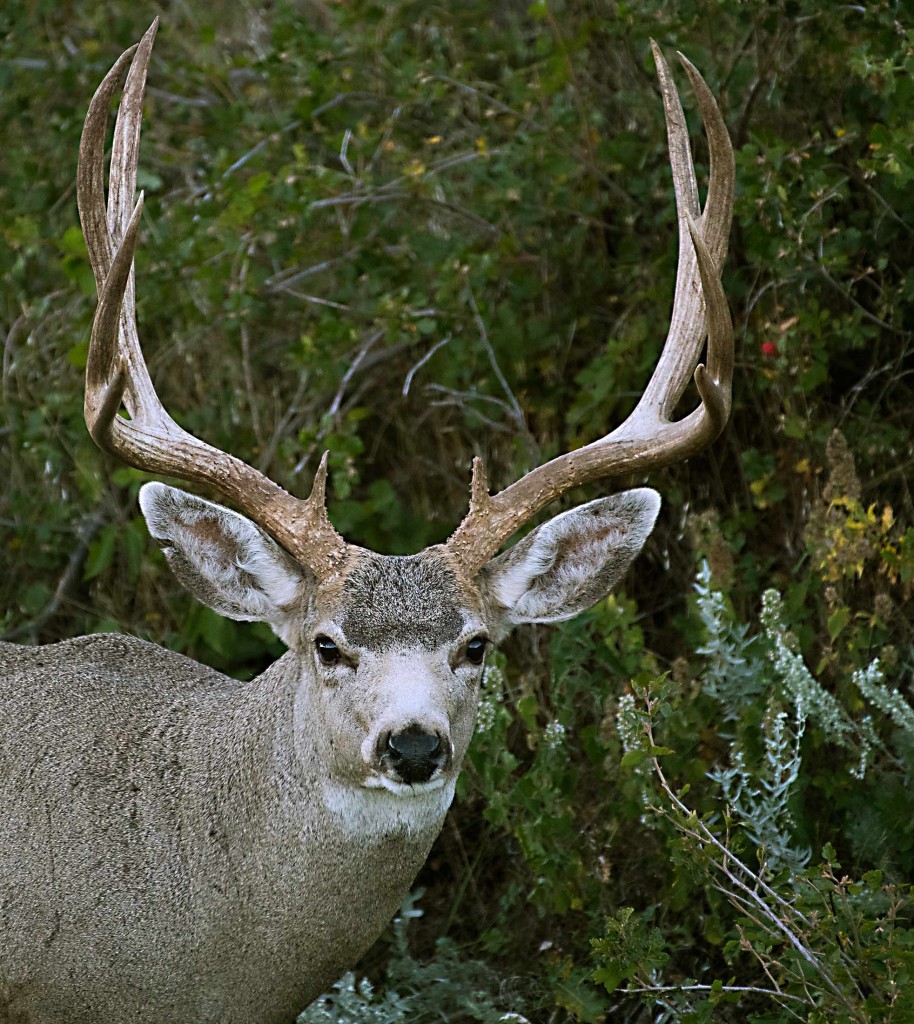
It was 13 September, not a holiday weekend, when we entered the southern gate of CUSTER STATE PARK and encountered bumper-to-bumper traffic on the loop road. There were several tour vehicles with park visitors and accompanied by guitar-playing singers. Needless to say, this was not the environment I had remembered from past visits. Instead of the “wild” burrows grazing on the hillsides and dusting in areas devoid of grass, they gathered on the road, sticking their heads into car windows and begging for food. Also there were more fences than I remember from a previous trip limiting photography in certain areas, but we were told the fences were there to protect sensitive habitat from overgrazing. As we moved further along the loop road the situation improved. We did encounter a large herd of buffalo, lots of bluebirds, a few mule deer, bighorn sheep, and pronghorn. Our favorite areas were along the gravel roads that branched off the main route. Here there was little traffic and the rolling hills were beautiful particularly on the route that led into the backcountry of Wind Cave NP. We encountered buffalo, herds of pronghorn, and the possibility of seeing elk. We found photographing in Wind Cave National Park was more productive with pronghorn on hillsides, energetic red squirrels retrieving and storing pinecones for the winter, wild turkey, and mule deer adjacent to the road.
Needles Highway in the Black Hills not far from the town of Custer includes 14 miles of sharp turns, low tunnels and impressive granite spires. It is a good spot to look for mountain goats, which are known to frequent the high country near Cathedral Spires and Needles Eye Tunnel. They have even been photographed inside the tunnel licking minerals from the rock walls. With little time remaining on our scouting trip, we drove the highway one morning in search of goats but when a heavy fog engulfed the Needles, we could hardly see the car in front of us let alone spot their white coats. The highlight of the drive was witnessing a full sized tour bus carefully position itself and pass unscathed through Needles Eye Tunnel while the extended side mirror of a pick-up truck that entered before the bus scrapped the inside of the wall.

Tour bus
We made a short side trip to Spearfish Canyon on 16 September. We were a bit early for fall color in the canyon, which I had enjoyed on a previous trip. The waterfalls were impressive particularly Roughlock Falls. Bridal Veil falls had little flow and would have been more impressive if it was surrounded by fall color or snow covered trees. Spearfish Falls is near the Southern entrance to the canyon and is photographed best in soft light in the early morning.
NOTE: You are likely to encounter the best leaf color in the South Dakota Badlands and Black Hills the last two weeks of September.
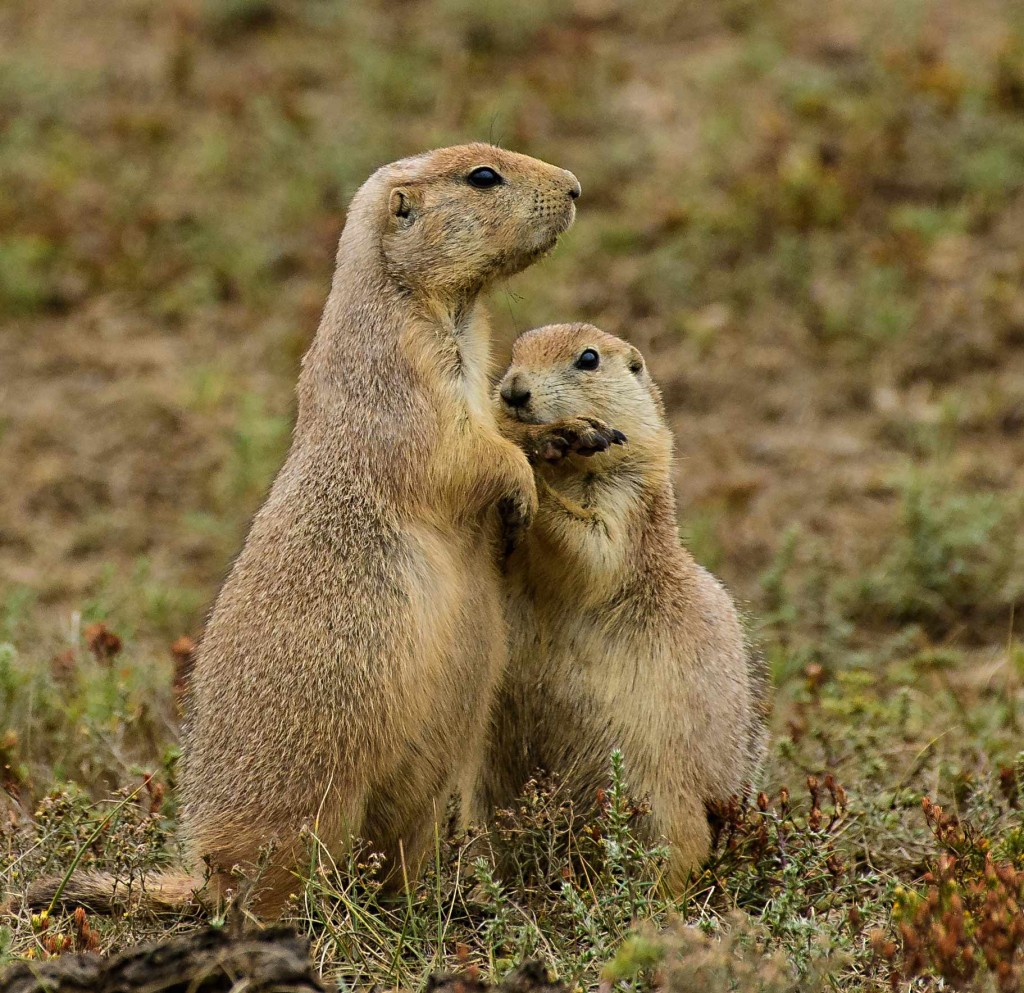
Praire Dog biting paw.

by Osprey Photo Workshops & Tours | Aug 22, 2016 | Bird photography, Brazil, International photo tours, Nature Photography, Photo Tour, Travel, Wildlife Photography
Brazilian Pantanal photo tour–sights, photo tips, equipment, challenges.
I have been to the Brazilian Pantanal twice in the past, once on a scouting trip and most recently conducting a photo tour. In both cases, I worked with an excellent naturalist/guide/photographer who I have known for more that twenty years, Alejandro Ronchetti of KÚntur Expeditions based in Buenos Aires, Argentina.

Hyacinth Macaw
On this past trip, we flew from Dulles Airport non-stop to São Paulo and then on to the city of Cuiabá where the tour started. After a good night’s rest, we left the city in a van and headed southward, stopping briefly in Poconé for supplies before entering the Transpantaneira Highway. During the tour, we stayed overnight on two eco-friendly ranches and at the hotel Pantanal Norte at Porto Jofre. Along the Transpantaneira Highway, it was relatively easy to spot birds and other wildlife. We stopped frequently to take photos. The number of birds seen on the trip was unbelievable with remarkable numbers of snail kites and hawks in addition to many colorful birds. At one of the larger bridges, we had the opportunity to photograph a large assortment of birds–limpkins, spoonbills, herons, kingfishers, anhinga, and other birds feeding in the marsh below.
Our first stay was at the Pouso Alegre Ranch. Although the rooms were modest, the food was good, and wildlife abundant. At dawn, just outside our room were agoutis (small rodents), Southern Lapwings, rheas, toucans, and several curassows. Close to the lodge was a marsh and lagoon that straddled the road and was populated with a large number of herons, kites, kingfishers, and hawks. During the day, caiman congregated at the end of the lagoon and sun themselves on the road. One of the most unusual birds was the capped heron with a striking blue bill that was feeding along the bank in the vicinity of a a number of caiman. As we explored the ranch roads, we had the opportunity to photograph coatimundi, brocket deer, ibis, and jabiru storks. The tapir we were hoping to see eluded us, leaving only it tracks behind in the mud.

Sayaca Tanager
After 3 days on the ranch, our next stop was the riverside hotel at Porto Jofre where we had the best chance to see jaguar. The accommodations were modern and very nice with an assortment of birds just outside our rooms– buff-necked ibis, hyacinth macaws, caracaras, chaco chachalacas, toucans, just to name a few. Behind the rooms was a boardwalk leading past giant lilies and other marsh species. Twice a day for 3 days we navigated the Cuiabá River and its tributaries at Parque Estadual Encontro das Aguas (Meeting of the Waters) State Park in search of jaguar and other wildlife species. Here jaguars are protected and openly hunt spectacled caimans, capybaras, tapirs, and other animals along the riverbanks. This magnificent cat is the largest in South America and is a proficient swimmer and with its strong jaws can easily crush the skulls of its prey. Although never witnessing a kill as we had hoped, we had several opportunities to photograph jaguar relaxing and walking along the riverbank. In each case, the light was low and the animal was often in heavy shade requiring ISO settings of 1250 and above. Our boat was stable and large enough for the four of us plus Alex and our photo gear. With care, I was even able to use my 600 mm, F4 lens mounted on a tripod to photograph jaguar and small birds. Our boat driver was proficient positioning us for the best photos and was in radio communication with other guides, so when a jaguar was spotted, we knew the location. In most cases, when a jaguar was located, 4 or 5 boats would eventually arrive at the location and anchor at a distance off shore to observe the cat that seemed to be oblivious to their presence. Later in the season, when there are more tourists, I suspect the number of boats would be greater. Besides jaguar, we photographed other wildlife including giant otters, capybaras, caiman, yellow-billed terns, a pied lapwing, kingfishers, and more.

Jaguar
Our last stop in the Pantanal was two days at Fazenda Santa Tereza ranch. Here we encountered a crab eating fox, hummingbirds, yellow-chevroned parakeets, a rufous-tailed jacamar, and other birds at feeder and near the lodge. From outside our rooms and from a scaffold near the nest, we could watch a pair of jabiru interacting and fortifying their nest. We were taken to see a great potoo at its daytime roost. It was so well camouflaged as part to the tree, that it would have been nearly impossible to see without a guide. Each day we explored the river adjacent to the inn by boat and photographed black-collared and black hawk, ringed kingfisher, and herons, snatching up fish tossed in the water.. During our exploration of the river, we photographed anhinga, a sun bittern, jabiru storks, river otters and a spectacular sunset. The Pantanal was well worth visiting and I would love to return.
Added to the Pantanal trip, we had an excursion to Chapada dos Guimarães, a national park with picturesque tablelands located 65 km northwards from Cuiabá. The highlight of the visit was the Veu da Noiva Waterfall from where we could admire the tablelands and one of the highest waterfalls of the park. Of particular interest was the opportunity to photograph red-and-green macaws flying in front of the falls and canyon walls. The Pousada do Parque Lodge where we stayed was lovely with many birds visiting the grounds early and late in the day. It was the perfect place to relax at the end of the tour. However for serious landscape photography, the park was disappointing since visitors only have access between 9 AM and 5 PM, not the best time for extraordinary light and dramatic images.
On a previous trip, we flew from Cuiabá to Campo Grande and drove to the town of Bonita with access to the Southern Pantanal. The highlight of our visit was the huge sink-hole, Buraco das Araras, where red and green macaws nest. Loved it.
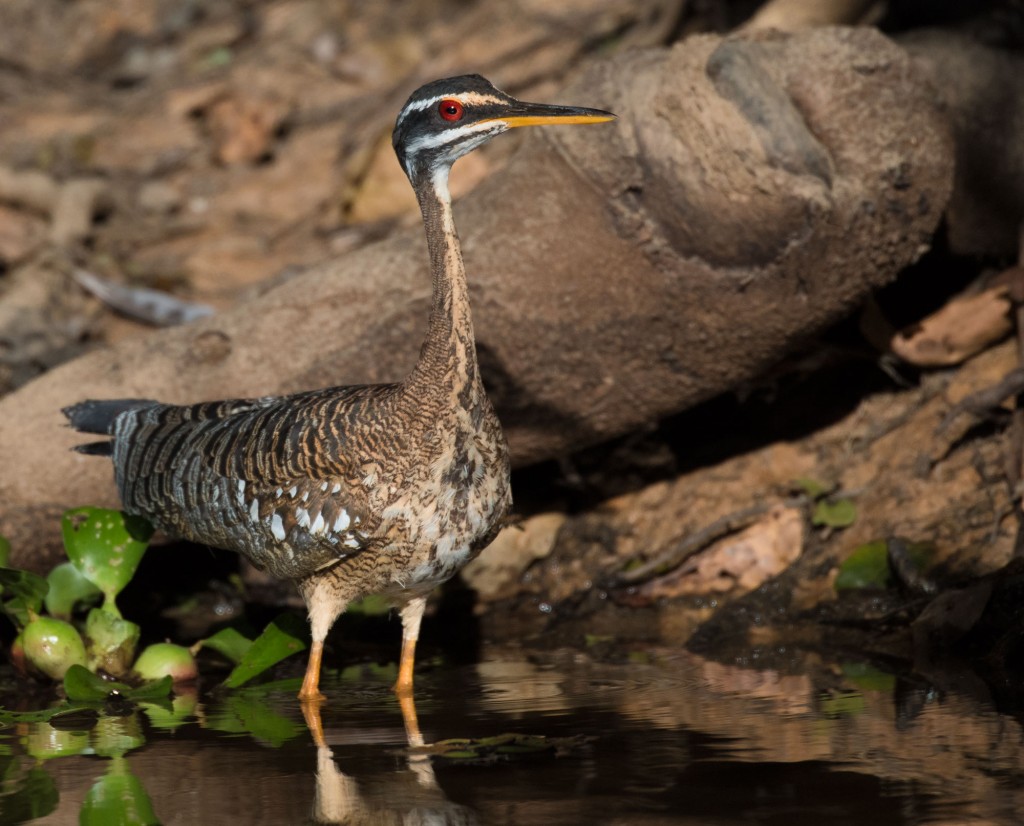
Sun Bittern
Lighting challenges:
The variety of birds seen was mind-boggling but lighting was not always optimal. Although on the road early in the morning and late in the afternoon when the light was warm and soft, we were also in the field when the sun was higher in the sky and the light was harsh, washing out colors, obscuring details with dark shadows, and contributing to distracting backgrounds. Since I wanted to capture the range of animals for a program on the Pantanal, I took chances on shots that required more editing than I prefer to minimize problems. The best photo opportunities during non—prime hours were when a light layer of clouds softened the light or when the subject was in open shade. However in the later case, images tend to appear flat and colors slightly muted. To compound the periodic lighting issues when shooting in jungle or forests, there were vines, branches, light colored grasses and other vegetation either in front of subjects or contributing to an undesirable background that could not be avoided. But remember, this is the real world and not a photo studio.
Equipment:
It is always a challenge to transport camera equipment on the plane. I use a Gura Gear light-weight photo backpack but it appears large on my small frame. I am always concerned bout having the bag taken away from me and placed with checked luggage. Airline personnel have challenged me on several occasions, but they reluctantly allowed me to keep the bag once I explained the delicate nature and cost of the contents.
On this trip, I took my Nikon 600 mm, VR, F4 lens. It is quite heavy and large. When shooting from a car window on a large beanbag or on a tripod, the lens is wonderful for photographing small subjects and I will continue to use it for these applications. But from the confines of the van with other photographers, the lens was difficult to maneuver and nearly impossible to hand-hold. When exiting the van and mounting the lens on a tripod, I lost precious time positioning the lens and missed a shots I may have gotten with a smaller, lighter rig . Today, its large front element and high light gathering capacity is less critical than in the past now that high end cameras such as Nikon’s D5 perform fairly well at high ISOs, producing less noise (similar in appearance to film grain) as in the past. Note: Problems with noise is magnified when underexposing an image. After observing the ease of handling and quality of several lighter and less expensive zoom telephoto lenses carried by fellow travelers, I just purchased Nikon’s 200-500 mm zoom lens for increased flexibility. Although lighter that the 600 mm, this lens is still not a feather-weight. We will see how well it performs on my next photo excursion.

Red and Green Macaws
Besides the afore mentioned lens, I took with me a Gitzo carbon fiber tripod with Arca Swiss head, 35 to 70 mm zoom lens, an 80 to 400 mm zoom lens, 62 and 77 mm polarizers, Nikon D5 and D4s cameras, spare batteries, charger, empty beanbag, 32 and 64 G fast compact flash cards, Apple MacBook Air computer and two Seagate Backup Plus 2 T portable drives for image storage. For the Pantantal, insect repellant and sunscreen are a must. Dehydration is always a consideration when spending hours in the sun on an open boat so carry an adequate supply of water. I have a water bottle with a mister attachment. Not only can I drink water from the bottle but I can also spray myself with water to cool down quickly.
Timing of my trip:
On both trips to the Pantanal, I arrived in late June and stayed until mid-July. The water level is still dropping after the wet months. Less bank is exposed compared to later in the season, making animals a little more difficult to see and photograph. Accommodations in the Pantanal are limited, so it is imperative to make reservations early. Later in the tourist season, available rooms in the best locations are more difficult to find.
Flight info:
I booked my flights to São Paulo and Cuiabá on-line directly with United Airline (the flight to Cuiabá on GOL, a partner airline). I was issued both boarding passes at the United Airline desk and our bags were checked in all the way to Cuiabá. Therefore when I retrieved my checked bags after my US flight and passed through customs, I could immediately re-check them for the remaining flight.
Coming home there was 10 hour lay-over in São Paulo Airport, so checking the bags right after the arrival of the domestic flight was not possible. Therefore we rented small rooms on a hourly basis at hotel in the airport called FastSleep. This allowed us to survive the layover comfortably, being able to nap, catch-up on e-mail, exercise by walking throughout the terminals, and pick up last minute gifts. After observing the experience of one of my fellow travelers, next time I will reserve a room using Booking.com as opposed to dealing with the hotel directly.

Great egret

by Osprey Photo Workshops & Tours | Aug 22, 2016 | Brazil, International photo tours, Nature Photography, Pantanal, Photo Tours, Wildlife, Wildlife Photography
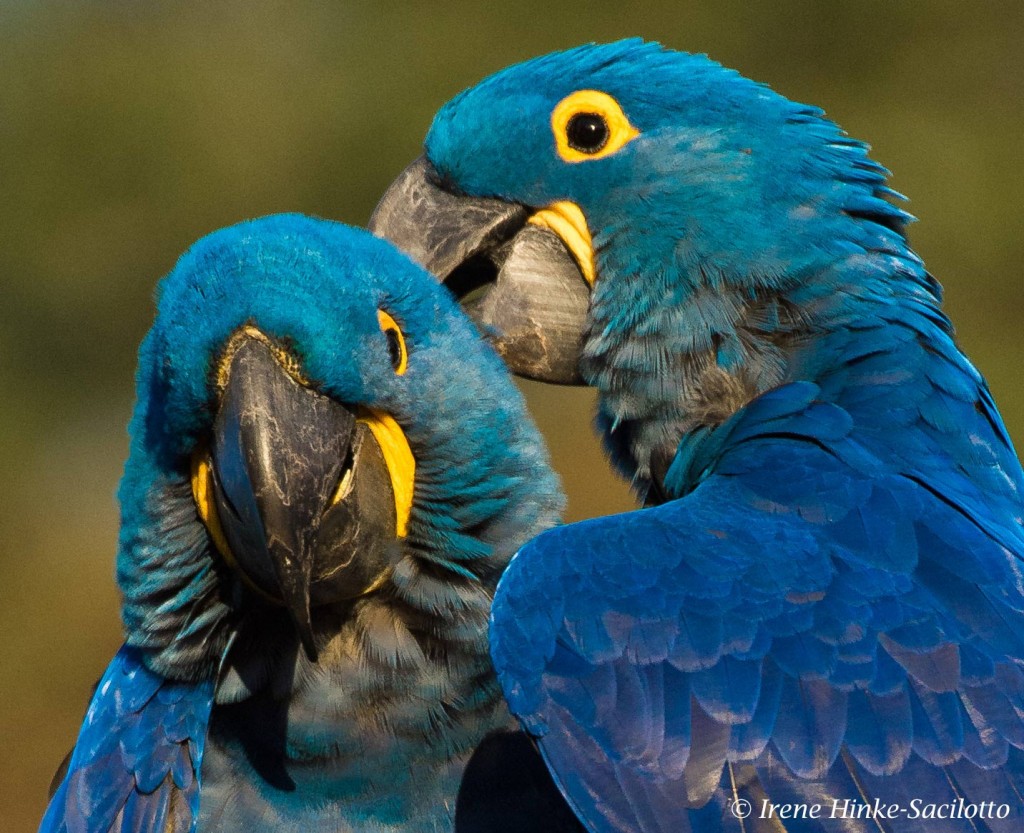
Hyacinth Macaw
The Pantanal of Brazil is a UNESCO World Heritage Site. Why is it unique?
The majority of the Pantanal is located in Brazil with smaller portions in Bolivia and Paraguay. It covers 81,000 square miles, with the Bazilian portion in the states of Mato Grosso and Mato Grosso do Sul
The Pantanal is huge gently sloping basin and the largest seasonally flooded tropical wetland. It is10 times the size of the Everglades and is a mosaic of habitats created by water with distinctive wet and dry seasons. 80% is submerged during the rainy season, the months November through March. The nutrient rich floodwaters deposit sediments that enrich the soil and create a fertile environment capable of supporting highly diverse collection of plant and animal species. It’s home to some of the rarest animals on earth–the jaguar, marsh deer, giant river otter, hyacinth macaw, crowned solitary eagle, maned wolf, giant anteater, South American tapir, yellow anaconda, and yacare caiman. They share the habitat with howler monkeys, capybara, toucans, parrots, iguanas, armadillo, tegu lizards and other wildlife. It is estimated that there are more than 3500 species of plants, thousands of invertebrates, and hundreds of bird, mammal and reptile species.
In addition to benefiting wildlife, the Pantanal is important for flood abatement, water purification, recharging ground water, climate stabilization, and serving as a nursery for aquatic life.
Wet Season: The rainfall is approximately 1,000–1,400 mm (39–55 in) per year. But the majority of the water comes from runoff from the surrounding upland areas including the Paraguay River and its tributaries flowing from the surrounding plateau. As water levels rise, these rivers inundate the Pantanal’s grasslands and gallery forest, creating a vast temporary wetland bounded by dry and humid forests, grasslands, & savannas. During the rainy season water level rises 2 to 5 meters.
Dry Season: May to late November is considered the dry season in Pantanal, and the water level drops dramatically. In November, very little of water persists except in some ponds and permanent rivers and streams. Tourists visit primarily June through Oct. The average temperature in the Pantanal is 25 °C (77 °F), but temperatures can fluctuate from 0 to 40 °C (32 to 104 °F).
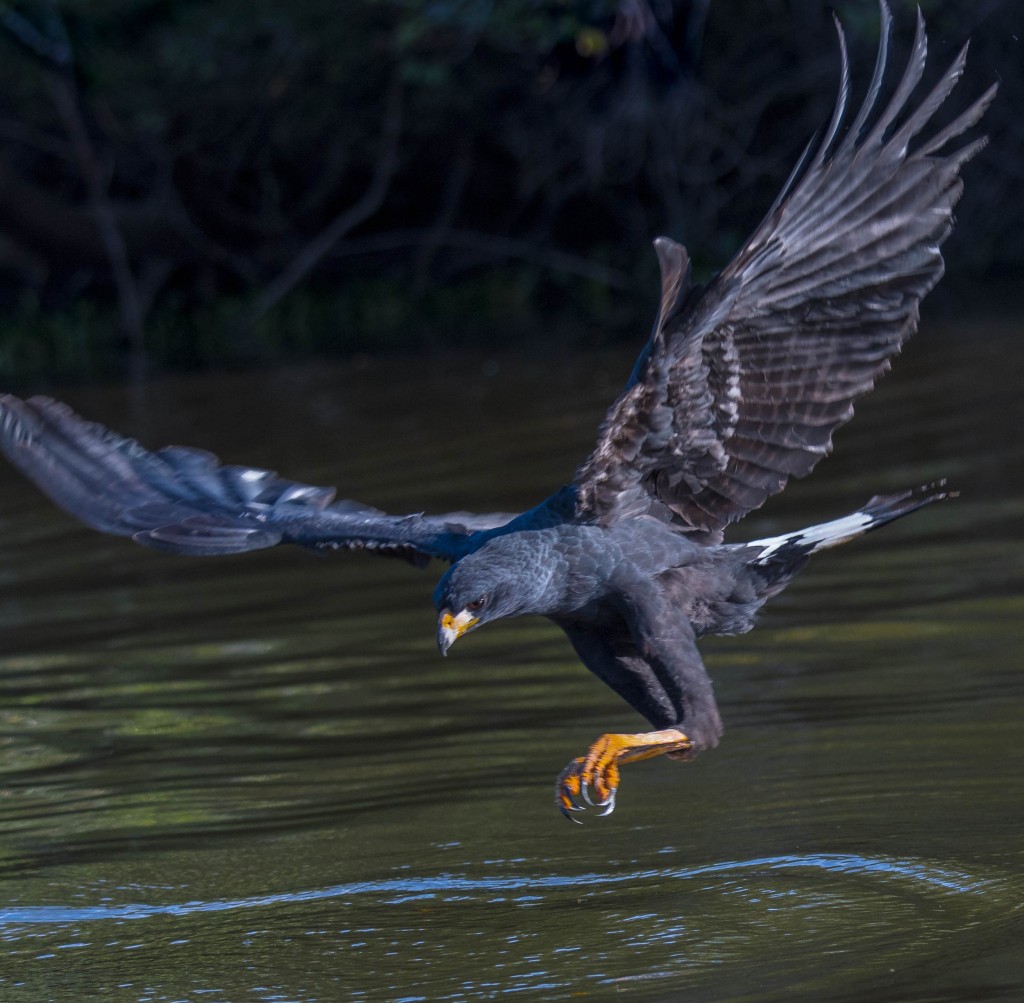
Black Hawk
Access:
The main gateways into the Pantanal are the cities of Cuiabá (capital of the state of Mato Grosso) and Campo Grande (Capital of the state of Mato Grosso do Sul).
The Transpantaneira Highway is an elevated 160 km long dirt road. With dozens of bridges, many of them wooden, it crosses the Pantanal over savannahs, lakes, seasonal streams, rivers, lagoons, marshes and shrub wetlands until finally reaching the Cuiabá River where it ends at Porto Jofre. Along the way, there are many opportunities for roadside photography of wildlife.
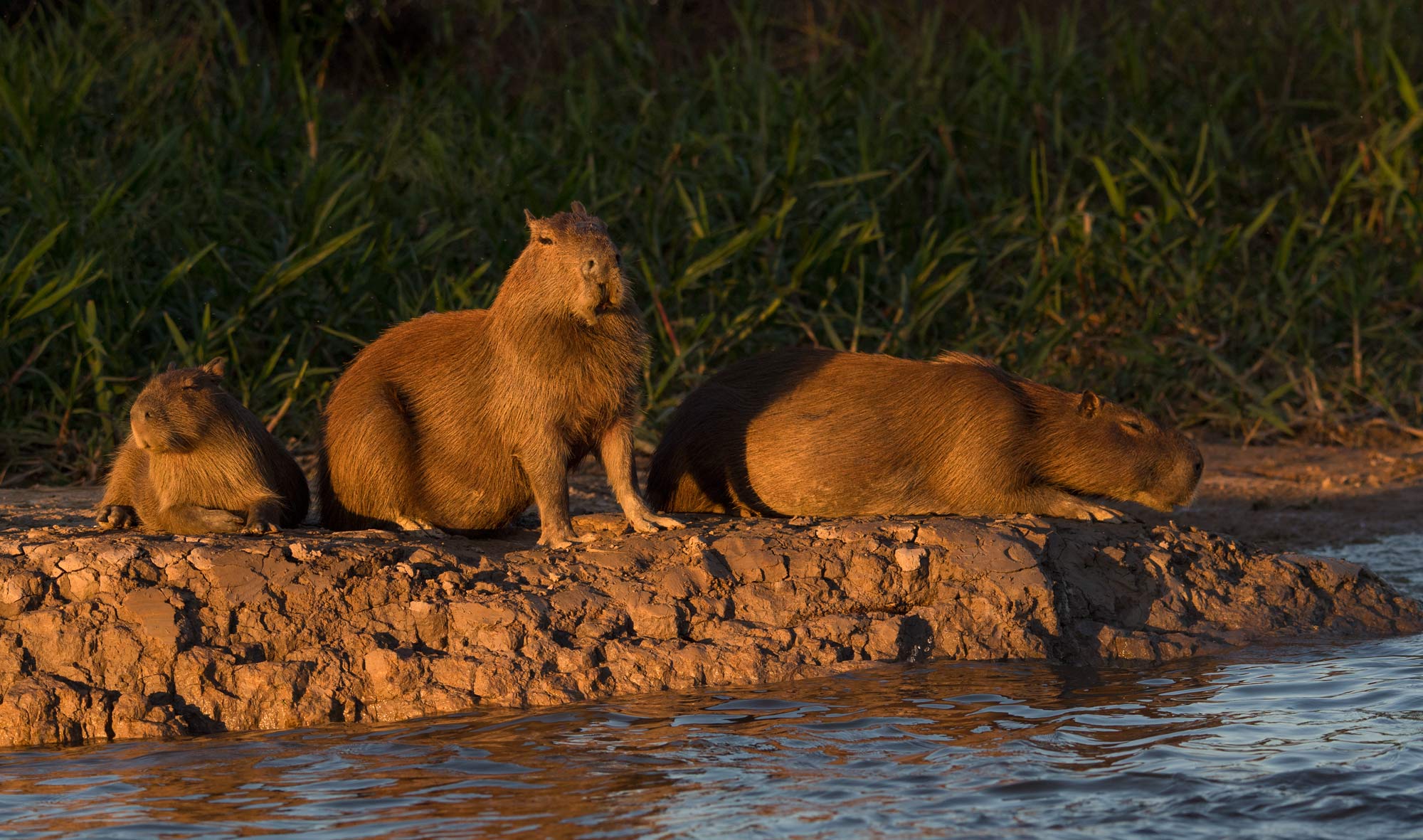
Capybara
Economy: The economy of the area is based on cattle ranching, agriculture (rice, soy beans, corn, sugar cane, etc.), agroindustries, mining (gold, diamonds, iron, manganese), professional fishing, sportfishing and eco-tourism.
Concerns: Approximately 99 % of the Pantanal is privately owned with thousands of ranches (fazendas) and 8 million cattle. Current threats to the ecosystem include hunting, poaching (exotic species trade), pesticides from agricultural runoff, pollution from sewage and mining, and infrastructure development effecting hydrology. But compared to the Everglades, it is relatively untouched despite the lack government protection.
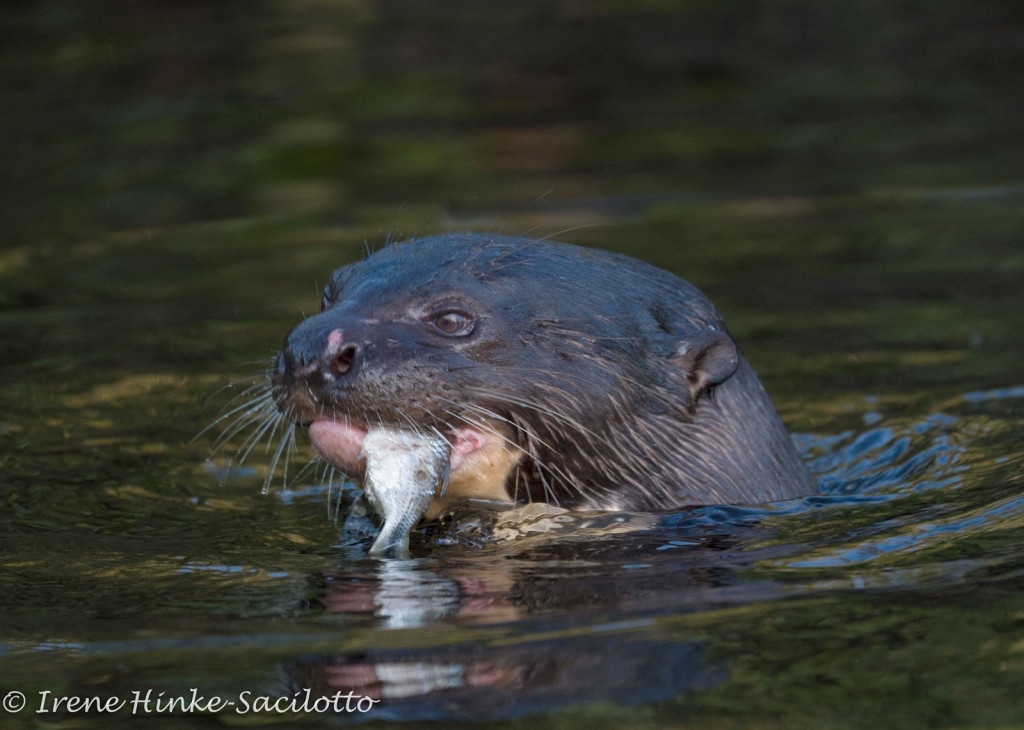
Giant River Otter eating fish.

by Osprey Photo Workshops & Tours | Mar 27, 2016 | Bird behavior, Digital Photography, Nature Photography, South Texas, Tangier Island, Wildlife, Wildlife Photography

Black-Bellied Tree (whistling) Duck feeding along the edge of pond.
Photo Blinds for Wildlife Photography
Blind Construction
Blinds or hides are used by both hunters and photographers. By the word blind, I mean a tent or structure made of camouflage material to hide you and your camera from the animal you intend to photograph. Typically they are placed in locations where animals visit frequently. They allow you to photograph wildlife in its natural state, without its behavior being altered by human presence – feeding, courting, caring for young, interacting with other, etc. Typical places to locate a blind are near a watering hole, food source, den, lodge, nesting site, baited area, backyard bird feeder, etc. Blinds need not be fancy or perfectly match the surrounding as long as their shape is somewhat disguised by the pattern of the fabric or materials used in construction. It is important that the fabric does not flap noisily in the wind. Success is most likely when the blind is in place for enough time for the animal to become acclimated to it.

Blinds along side lake. Wooden frame.
I have used blinds suitable for photography from the following web sites: http://www.sportsmansguide.com, http://www.basspro.com, http://www.cabelas.com, http://www.dickssportinggoods.com, and http://www.rue.com. The best are lightweight, easy to set up alone, and relatively inexpensive. Even cheap tents can be modified to suit your purpose by camouflaging them using spray paint. I typically modify the blind I purchased to better suit my needs for photography, adding openings for my lenses on 3 or 4 sides. I fit the holes with sleeves made from camo mesh (2 or 3 layers) to cover the lens and I add an elastic closure to adjust the sleeves to the diameter of the lens. The mesh disguises the lens while allowing me to look for the approaching animals. I also add small observation windows of the same multi-layered mesh for the same purpose. More permanent blinds that I have constructed, I have a wooden frame made from cheap 1 x 4 and 2 x 4 pieces of lumber, approximately 42 inches long. I cover the frame with cotton camo material purchased from a fabric store, which I staple in place. Burlap is a cheaper cover used by many photographers but I am allergic to it. Side pockets inside the blind are useful for storing small accessories. You can further disguise your blind adding branches or grasses local to the area.

Blind opening with flash using dropped mesh fabric rather than sleeve.
Hot Climates
When working in hot climates, I add ventilation holes made of camo netting near the top of the blind to allow the hot air to escape. Photographers have been known to suffer from heat stroke when exposed to high temperatures for a long period of time. Always take water into the blind. If extremely hot, carry a spray bottle filled with water and spray it on your skin. The cool water drops your body temperature. Even wetting down the interior wall of the blind can lower internal temperatures. When working in hot humid conditions, avoid bring the camera and lenses indoors unprotected where the moisture from outdoors will condense on the glass. Place camera and lenses in a plastic bag where any moisture will form on the surface of the bag and not the equipment. Similar problems can develop when lenses are taken from a warm room into cold. In humid conditions, consider storing camera gear in a bag with silica gel, a drying agent.

Blue wing teal attracted to corn in the bottom of the pond in South Texas where temperatures can soar into the high 90s & low 100s in the summer.
Entering a Blind
I enter the blind at times of low activity or in the dark. For a nervous subject I place the blind at some distance away from the final position and move the blind in place over a period of time. A tactic to fool your subject into thinking the blind is empty is to have two people go into the blind and then one person leave. By watching the animal’s reactions, you can determine if they have accepted you and the blind. In its presence, they should resume their normal behavior.

Osprey landing on nest. Placed blind a distance away to observe the osprey’s behavior.
Placement
For placement of the blind, I consider the background behind the subject and the surroundings where the subject will be photographed. Bright rocks, shiny objects, bright colors, and dark strong forms if distracting should be avoided. The direction of the sun at the time of day you plan to photograph should be considered. Usually I prefer to have the sun to my back or to the side. On ponds, I often have two blinds, one for morning and one for evening shooting. Some photographers working on long-term projects place their blinds over a dug out trench. Chairs are placed inside so the photographers can shoot at eye level with their subjects. I find with a long lens such as a 600 mm and a little extra distance from the subject, the angle of view is relatively horizontal giving the illusion that you are shoot eye to eye with the subject. For best results, while in the blind stay alert. Animals approach very quietly. Listen carefully and watch for movement. It is not the time to read a book.

Deer attracted to water near one of my blinds during a dry period.
Cover Scents, Game Calls
If the animal has a good sense of smell such as a coyote, then fox urine, skunk and other cover scents distributed around the blind will help disguise your presence. Like hunters, you could use game calls to attract animals closer to the blind. Duck and turkey calls, courting sounds, and predator calls can be bought in most hunting stores. Decoys placed in front of the blind can also increase your chances of success. Decoys are available for ducks, geese, turkey, etc. From their stands or camouflaged boats, duck hunters use both calls and decoys placed in the water in front of their blinds to attract waterfowl flying overhead.

Turkey are attracted to game calls during breeding season.
Baiting
On privately owned ranches and farms, baiting is a great tool to attract wildlife. Obviously you must have the owner’s permission to be on their land. You typically want to bait areas where you want your subjects. For deer, javelina and waterfowl, I have used whole corn (in water it sinks under surface). For songbirds bird, sunflower and other birdseed is perfect and for woodpeckers depending where you are located, suet or fruit may be effective. Cat food works well for raccoons and some other mammals. On federal land, private blinds and baiting are typically prohibited. However on some refuges, blinds are provided for visitors. Without bait and decoys, these are often not as effective as a blind where you can add enticements. I spent a lot of time in South Texas on a ranch where I could deploy blinds where I desired, at watering holes etc. In many cases, I enhanced the environment with logs, bushes or perches. I have also placed a blind in a ditch or pond using a float designed for fishing or a Styrofoam platform of my own making.

Turtle on a prop provide in pond near my blind.
No mater what approach you use, working from blinds can be very exciting and rewarding. There is nothing like being just a few feet from wildlife and walking away with great photos.

Hawk drinking shot with 600 mm lens which gave the illusion that I was shooting on eye eyelevel.
Skimmers courting. Blinds help capture behavior otherwise seldom seen at close range.

by Osprey Photo Workshops & Tours | Jan 6, 2016 | Chicoteague, Fall photography, Nature Photography, Photo Tour, Photo Workshops, Uncategorized, Wildlife Photography
Chincoteague National Wildlife Refuge/Assateague Island
Trip Report (Dec 2015)

Snow Geese Flock
Arrived at Chincoteague, VA on Thanksgiving 2015 to spend several days with friends for the holiday. On Friday, at the Chincoteague National Wildlife Refuge Visitors Center, I delivered a presentation on wildlife photography as I do for the refuge at least once a year. My friends departed at the beginning of the week leaving me to begin scouting locations for my upcoming workshop, sites most likely to provide participants with good photo opportunities. The weather was rainy and cloudy much of the week making my job challenging. To make matters worse, the number of birds, particularly snow geese, this year was fewer than in the past, perhaps due to the warm weather in November and early December. It did not help matters that the phragmites along the banks of the borrow ditches was high in many places making photography difficult and the birds hard to spot.
Luckily there were some small breaks in the weather. Sleeping-in is not wise since you never know what Mother Nature has in store for you. One morning at dawn, light fog floated over the water that reflected the golden color of the sky. Geese floated into the scene and provided some needed foreground. Later that day I spotted a fox squirrel in soft light gathering leaves for her nest. On another day, I spotted her again on the side of the road dining on pinecones. The low light meant I had to use ISOs higher than normal to freeze the action (800 and 1600). On another morning, I grabbed a striking pre-dawn shot of the lighthouse as I enter the refuge.

Sunrise

Sunrise Beach Road

Dawn at Chincotegue Lighthouse

RudyTurnstone
Outside the refuge, I explored the town of Chincoteague and the small boat harbor. I talked to a few watermen and photographed them off-loading their catch. This year was the first time I witnessed workboats returning to the harbor at sunset. This presented me with nice opportunities for sunset photography.

Fishing boat returning
With the low number of birds present of the refuge, I was concerned that my workshop participants arriving on the upcoming weekend would be disappointed with photo opportunities. Besides the small boat harbor, I looked for new subjects to photograph around town. On a foggy morning, I stopped at the intersection where there was a steam driven tractor on display. I had passed it many times but never took the time to examine it. With camera in hand, I discovered interesting details worthy of snapping some shots. Elsewhere in town I took a few shots of outdoor displays and a peculiar mallard with feathers stuck on its bill.

Mallard Duck Quacking
On Friday, finally the weather improved. At dawn, the sky had a bit of color near the horizon so I combined silhouettes of pines against the colored background – layers of color for a slightly abstract feel. Weather conditions continued to improve and so did the number of birds on the refuge. The small group of snow geese that had been hanging out on the beach at Toms Cove near the Life Saving Station, moved north resting on the sand near the beach parking lot. Honking as each new wave of geese arrived, their numbers grew. Against the blue sky, one V of geese after another filled the sky and descended to join the original flock. It was a beautiful sight. I spent the better part of morning photographing the spectacle, much of the time photographing from in my car to avoid disturbing the birds. (Lens primarily used: Nikon 80-400 mm chosen for its flexibility).

Snow Geese landing
In the afternoon Friday, 4 Dec, the impoundment along Beach Road was full of birds – ruddy ducks, buffleheads, cormorants, and flocks of yellowlegs and herons. Weirdly as quickly as the birds appeared, the number dropped significantly the following day when my workshop began.

Trawler at sunset
I had a full workshop this time with 8 participants of varying skill levels. The critique sessions revealed that all walked away from the workshop with very nice images and fresh ideas to improve their photography. Saturday ended with a great sunset at the small boat harbor. We arrived just in time to catch a huge sun dropping behind a trawler tied up at end of the dock. Sunday began with sunrise photography at the beach to be followed by photography of horses and a few herons along the service road. (I rented the Chincoteague Natural History Association tram for part of Sunday morning.)

Fox squirrel
My lesson learned. Don’t give up despite the weather or other disappointments. If you keep a positive attitude, you are bound to find something interesting to photograph.

by Osprey Photo Workshops & Tours | Dec 17, 2015 | Autumn photography, Canadian Rockies, Digital Photography, Fall photography, Nature Photography, Photo Tour, Photo Tours, West Virginia, Wildlife Photography
Two of my favorite locations for autumn photography are the mountains of West Virginia and the Canadian Rockies.

Aspen on hillside, Canadian Rockies
With the arrival of fall, to the delight of photographers, leaf color changes, birds migrate, and animals move from the high country to lower elevations. But also rain and overcast skies often accompany the seasonal change as temperatures fluctuate and the weather becomes less stable. Such conditions can render images dull and flat, but can also be an asset.
Rain – the Sliver Lining
In the Canadian Rockies this September, we had 2 days of continuous hard rain, so much that rock slides blocked the main highway. We just took the time to relax, read, and work on images. Although being driven inside by the rain was disappointing, the following morning was spectacular with beautiful fresh snow on the mountain tops.

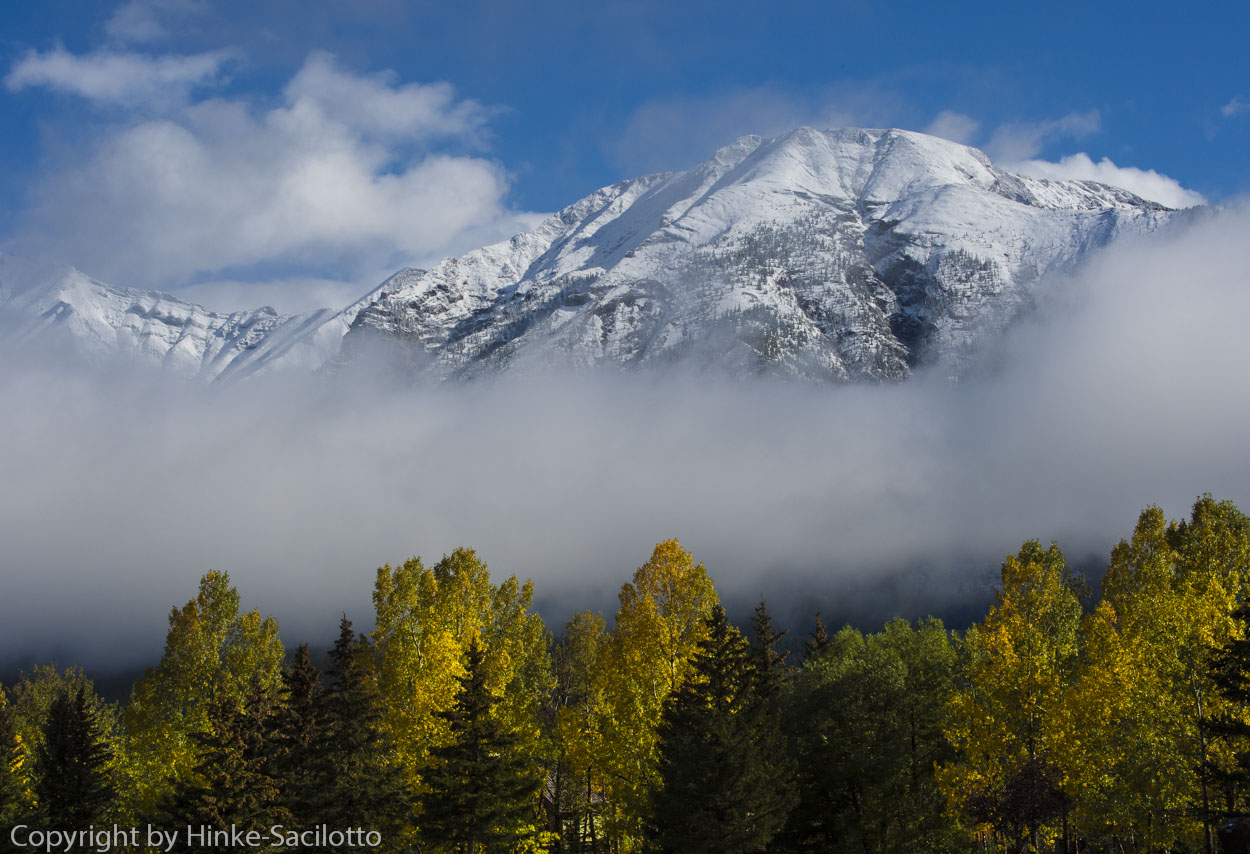
Snow Peaks, Canadian Rockies
Rain can be a both a blessing and a curse. With rain, the grass becomes greener, rainbows appear, water droplets adorn leaves and spider webs, pools of rainwater reflect the colors around them, and waterfalls and cascades flow more swiftly. The color of vegetation becomes more saturated. By using a polarizing filter to remove shine on surfaces, you can make colors even more intense.
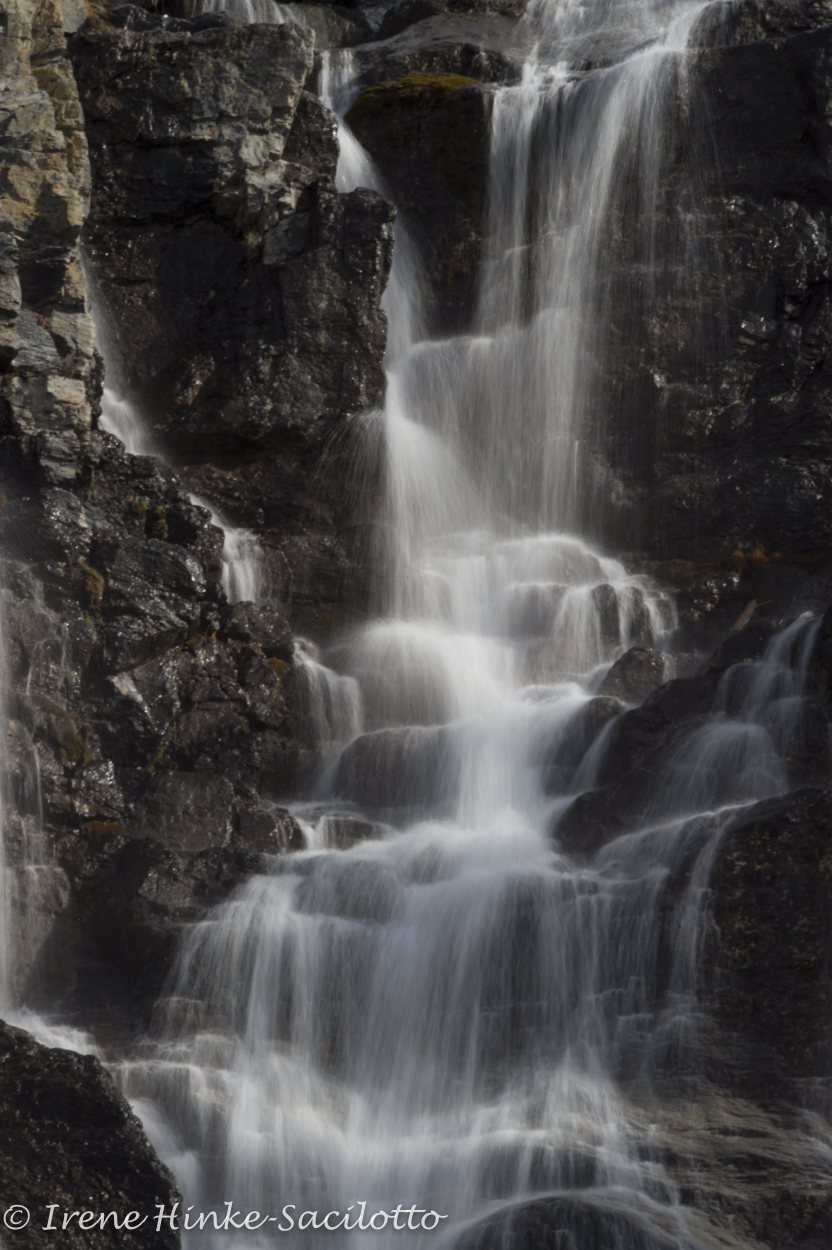
Tangle Falls after rainfall.
Ok, so the next image is not related to fall photography but it makes the point that rain can be a good thing. My photos that I shot in Costa Rica of hummingbirds in the rain, were some of my favorite from that trip. (A cheap kids poncho or large plastic bag will keep your gear dry in case of an unexpected downpour.)

Fiery-throated Hummingbird in the rain, Costa Rica
Fog & Overcast Skies
Overcast skies, low cloud banks, and fog generated by temperature changes in the fall can present photographers with unique photo opportunities. When I rise in the morning, I let the light direct my activities. On a foggy morning, I will head to a nearby lake, pond, or low area where the fog creeps along the ground and slowly rises with the heat of day to reveal interesting ghost-like silhouettes of trees, bushes, and mountains ranges. If in Shenandoah National Park, I am likely to go to a high point to photograph the fog hanging in the valleys between the mountains. (Note: Be careful when exposing foggy scenes. Depending on your camera, if your light meter is reading off of the fog layer, then it will adjust the exposure to render the fog mid-tone gray. This will often result in an underexposed photo. Add more exposure to compensate).

Snow covered peaks near Canmore, Canadian Rockies

Morning fog over river, Jasper, Canadian Rockies
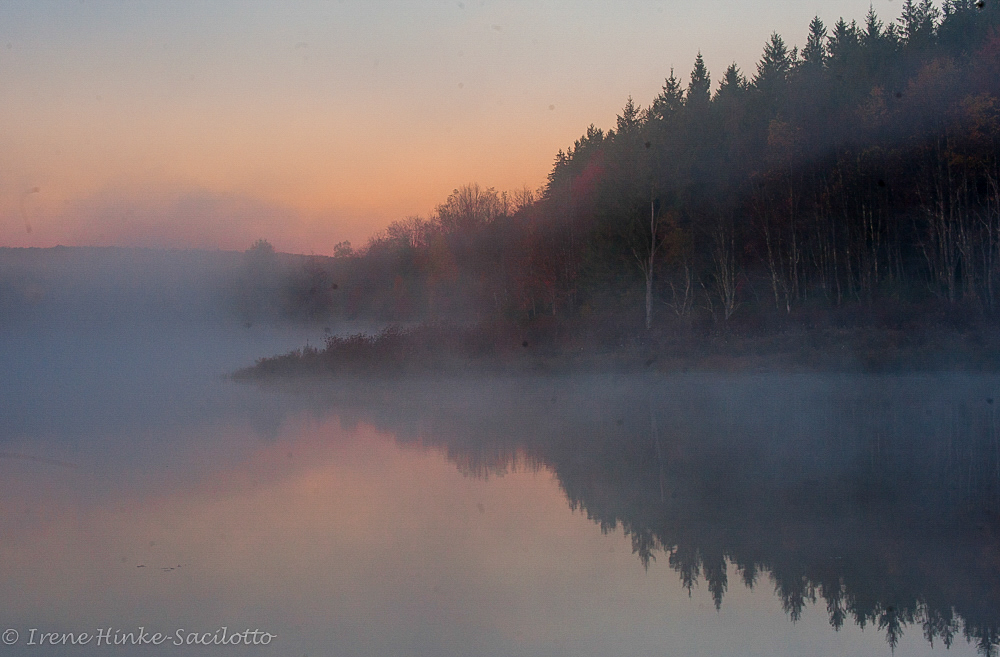
Blackwater Falls State Park, Fog over Pendleton Lake.at dawn.
If instead of fog, I wake to a sky that is lightly overcast, I will head to a location where the soft light complements the scene, e.g. to a waterfalls, cascade, stand of trees, woodland trails, flowing streams, delicately colored wildflower, etc. On a bright sunny day, photographs of these subjects will often be disappointing with distracting backgrounds, hot spots, and deep shadows that hide important details. (If the sunlight becomes to bright for your subject, you can sometimes get acceptable results by waiting until the light is diffused by a passing cloud.)

Linde Point, Blackwater Falls State Park, view down Blackwater Canyon. Soft light reveals details.
The Wonders of Backlighting
Backlighting and side lighting bring out the vibrant color of autumn leaves. By using a polarizing filter you can intensify the effect by removing glare from the surface of vegetation. Even towards mid-day, polarizers can sometimes help you achieve satisfactory results. Take note that flare can be a problem when pointing the camera towards the sun. Flare appears as unwanted bright spots across the image or a bright wash over the photo. Flare spots are created by the sunlight reflecting off of glass surfaces within the camera lens or filter. How can you reduce flare? Your lens shade can help but you may need more assistance. You can shadow the lens with a jacket, hat, card, umbrella, or person’s shadow. You can also stand in the shade of a tree or building. Sometimes you can reduce flare by aiming your lens such that the sun is blocked by an object such as behind a cloud or tree limb.

Pond at Canaan Valley State Park. Fall color reflecting in a pond. (For reflections in ponds and lakes, you may capture better color in the water from the surroundings trees by moving to a higher vantage point where more of the water’s surface is visible.)

Backlit fern

Backlit Tree, Canaan Valley

Dolly Sods. Leaves from blue berry bushes turn red in the fall and glow when struck by the late afternoon sun.
Isolation and macro landscapes
Instead of using your wide-angle lens for all landscape photos, consider isolating portion of the scene using a telephoto or macro lens. (Be careful when using wide-angle lenses for landscapes. They alter perspective and shrink the size of items in the background; thereby, lessening the impact of a photo. The mountains you emotionally reacted to are reduced to bumps on the horizon.)
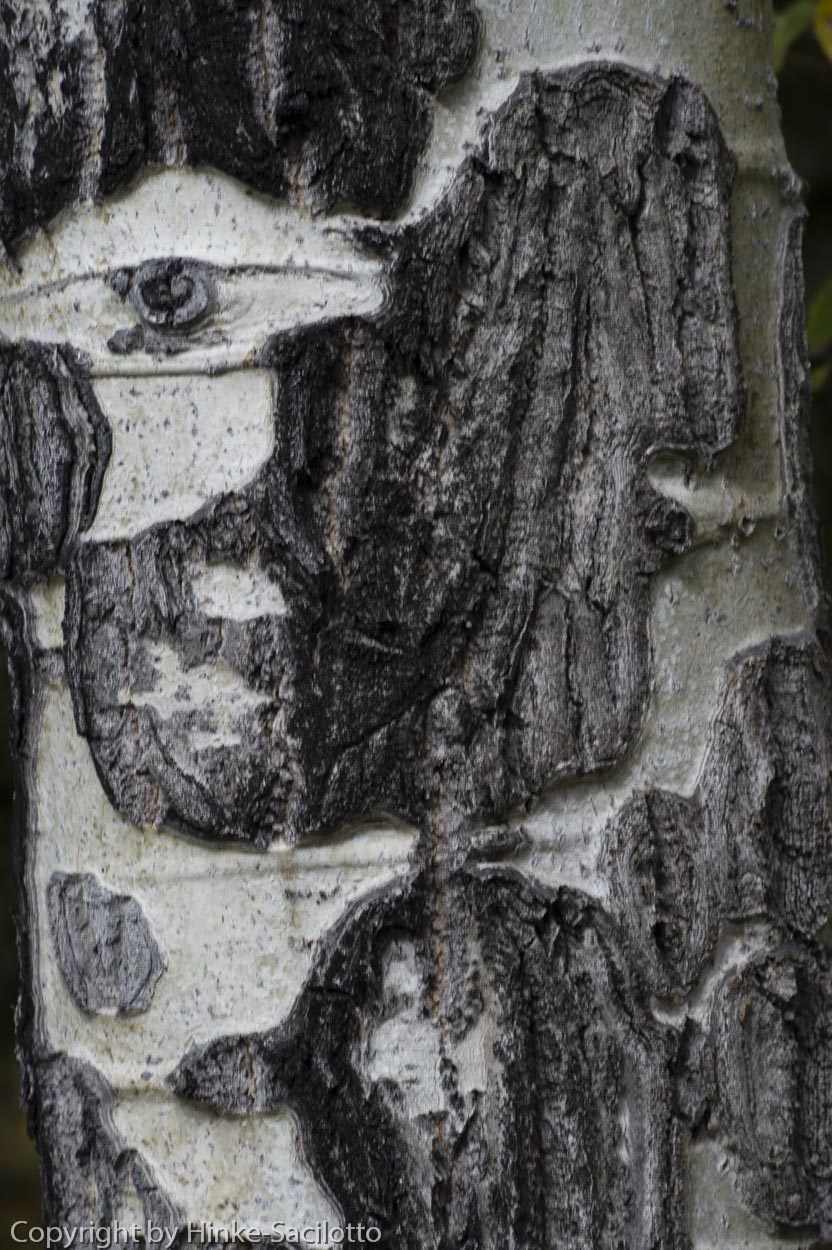
For any photo, identify what attracted you to the scene. Then chose your lens , angle of view, lighting, etc. to emphasize what initially impressed you. Concentrate on the key elements and simplify the image, eliminating the non-essential components. Instead of capturing a broad landscapes all the time, look for patterns and portions of the scene that have high visual impact. These are what I call macro landscape. Little things such as bubbles in a stream, water droplets on a fallen leaf, lichen covered rocks, distinctive patterns on tree bark, colorful reflections in a pond, the flow of water across a rock, etc. can be perfect photo subjects.

Bubbles in stream

Fallen leaves floating in pond, fall color, Canaan Valley

Iceland cascade.

Bark Patterns
Slow Shutter Speeds
For streams and waterfalls, its fun to experiment using low ISOs, small apertures, and neutral density filters, achieving slow shutter speeds to blur the motion of the water for an artistic effect. With flowing streams, slow shutter speeds can add sense of motion which can be sometimes enhanced by swirling patterns of colorful leaves, bubbles, or foam. There is no way to perfectly predict what the final results are going to be, so take a number of shots with different settings. Use your camera’s playback mode to judge results.

Slow shutter speed. Photo of cascade. Canadian Rockies.

Swirling water in a stream.

Roadside cascade, Canadian Rockies. Slow shutter speed to show action. Soft light to avoid hot spots.
Location, Location, Location
If the leaf color is not good in one area, don’t give up. It might be spectacular a short distance down the road. Autumn colors vary with temperature, rainfall, and altitude. The arrival of peak color in any one location varies from year to year.

Fall color reflected in a stream, West Virginia, Near Elkins, WV. Spotted the possibilities as I was crossing the bridge where I took this photo.