
by Osprey Photo Workshops & Tours | Jul 17, 2017 | Badlands, Badlands National Park, Nature Photography, Photo Tour, Photo Workshops, Wildlife Photography
South Dakota Badlands Photos and Tips

The following blog introduces you to South Dakota Badlands Photos and Tips from my photo workshop this June.
In early June, I conducted a photo workshop in the Badlands of South Dakota with co-leader Sandy Zelasko. It is a great location for dramatic landscapes with striped limestone formations, sharp pinnacles, canyons, and sprawling prairie grasslands frequented by pronghorn and mule deer. In the past, I conducted photo tours in the Badlands and Blackhills in the fall. But this time, Sandy and I elected to hold the workshop in early June when newborn animals were plentiful along with vibrant spring colors. On most days, temperatures were comfortable in the morning but rose as the day progressed. Therefore, we were on location to shoot sunrise and photographed throughout the early morning. Then we took a mid-day break at our hotel in Wall to rest, review images, photograph around town, and grab an early dinner before returning into the field until sunset. From Wall, it was only a 25-minute drive to the park’s northeast entrance and 15 minutes to Pinnacles Overlook. The small town of Wall has several good restaurants, a grocery store where we bought snacks and food for breakfast, and a gas station plus a few convenience stores.

Note: Many of images you see in this newsletter were taken while scouting locations I the Badlands for the workshop. Sandy and I did photograph with clients at times but only if we were demonstrating techniques or in the event they did not desire our assistance.

Bighorn sheep are social animals with the females and lambs living separately from the males until breeding season. Rams, we encountered several times at the northeast end of the park near Big Badlands Overlook and the parking area at Notch, Door, and Windows trails. Remarkably, the length of the rams curled horns are managed as not to block their vision. While we photographed, they occasionally engaged in mock fighting which will become quite aggressive during rutting season in November and December as they compete for the attention of the females and run at each other heads down and horns clashing. The sound of the impact reverberates throughout the canyons. Even the youngsters engaged in shoving matches practicing for their roles later in life. The sheep’s ability to climb steep slopes even when small is amazing and is possible because of the rough pads on the bottom of their flexible two-toed hooves. It is wise to use long lenses (300 mm or greater) when photographing wildlife as not to alter their behavior. Wild animals are not predictable and these sheep can actually run at speeds of 30 mph over level ground.

These bighorn sheep once populated the park and other areas in the western U.S. in large numbers. But due to hunting and habitat loss their numbers dropped to near extinction at the beginning of the century. The bighorn seen the Badlands are Rocky Mountain sheep that were reintroduced into areas of the western U.S. In the Badlands, researchers monitor the health and distribution of the bighorn population by capturing lambs just after birth and attaching collars with tracking devices that will eventually fall off.

Young prairie dogs were one of the most entertaining but challenging subjects in the park to photograph. Our favorite family group was along Quinn Road where there was little traffic or disturbance. We photographed the youngsters at eye-level, lying on our bellies and using bean bags or low tripods for camera/lens support. This approach provided us with an intimate view of the animals and an out of focus background. Even though the background was blurred, we had to carefully examine the image in the viewfinder to be sure there are no strong forms or bright objects that could distract the viewer’s attention. The small prairie dogs were more animated than the adults particularly in the morning and during the cooler parts of the day. Therefore, we concentrated our effort on photographing them under those conditions, trying to capture their interactions — nuzzling, tail pulling, and playing.

Bison
Sage Creek Rim Road was the best location for bison. Late one afternoon as the sun was setting, I photographed a bison lit by the setting sun with the warm light illuminating the badlands in the background. One of my favorite photos from the trip.

Landscape Photo Opportunities
For dramatic landscape photos, we shot when the sun was low in the sky, warming and intensifying colors, and emphasizing the relief of the land. In the spring the weather is less stable than at other times of the year resulting in large cumulus clouds appearing in the afternoon along with dark, threatening storm clouds. Both add interest to images by replacing boring washed out or solid blue skies.
Some of the better views of the Badlands were at Yellow Mounds, Conata Basin, and Panorama Point Overlooks and the area from the Ben Reifel Visitor Center to Norbeck Pass. I particularly liked the views along the loop road from Pinnacles Overlook to Conata Road. There were convenient pull-offs along the way where we could stop and photograph multi-colored yellow mounds with contrasting banded formations in the background.
Some of the locations we used for sunrise and sunset photography were at or near Pinnacles Overlook, the red eroded rocks along Sage Creek Ridge Road, Big Badlands Overlook and at Windows, Door, Notch Trails.

Sheep Mountain Table
Sheep Mountain Table is in the south unit of Badlands NP. At the base of the plateau there are unusual rock nodule and toadstool-like formations. The road leading to the top is narrow and dirt can be treacherous after hard rains. We had a limited amount of time to explore the area due to an approaching storm with ominous dark clouds. However, it was the storm that added dimension to our images of the surrounding badland formations. Among the grasses on top of the table, we found the giant fuzzy puff balls containing seeds for the flower goat’s beard. One participant with a mirrorless camera took photos of the plant using a macro lens with a modeling light built-in. When comparing his images taken with this set-up to mine, his were far superior as the light penetrated to the center of the sphere. Great job Jim!

Lessons Learned
When the light on a scene was flat due to heavy clouds or deep shade, I still took photos using high ISOs to freeze action and hoped for the best. In many cases, the high ISOs resulted in unacceptable noise levels in my images (looks similar to film grain). I used Nik and Topaz software plug-ins with Adobe Photoshop and Lightroom to reduce the noise but I was not always satisfied with the results.
What was worse, the subjects appeared unrealistically flat and blended with the background. On the last day of the trip, I resorted to shooting video with my Nikon D500 camera, something I had only tried once before. My results from that day were not always perfect due to the wind, a focus issue, and my inexperience. However, because the animals were moving and interacting during the video. they no longer blended into the background and the images were much more engaging. Needless to say, I plan to learn more about filming videos and plan to experiment with the technique more in the future.

Images in this blog are from scouting trip and photo workshop in the South Dakota Badlands. Planning similar program in 2018.
To see details from June workshop go to https://www.ospreyphoto.com/event/badlands-national-park-spring-escape/

by Osprey Photo Workshops & Tours | Aug 22, 2016 | Brazil, International photo tours, Nature Photography, Pantanal, Photo Tours, Wildlife, Wildlife Photography
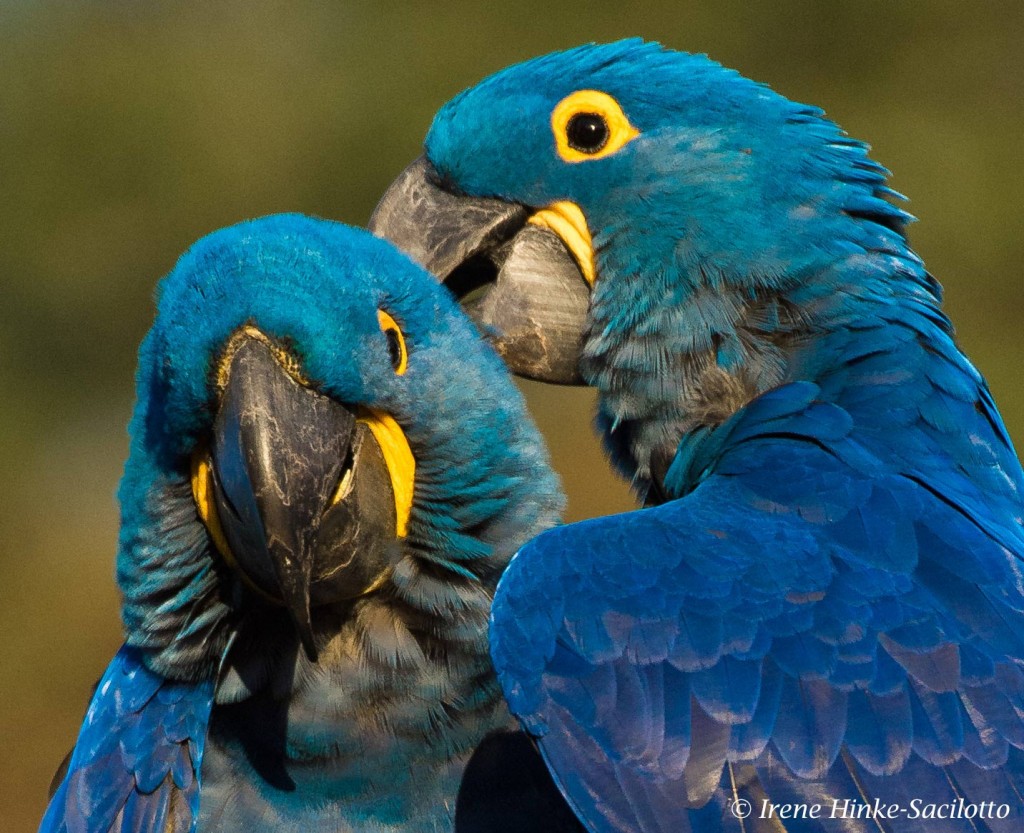
Hyacinth Macaw
The Pantanal of Brazil is a UNESCO World Heritage Site. Why is it unique?
The majority of the Pantanal is located in Brazil with smaller portions in Bolivia and Paraguay. It covers 81,000 square miles, with the Bazilian portion in the states of Mato Grosso and Mato Grosso do Sul
The Pantanal is huge gently sloping basin and the largest seasonally flooded tropical wetland. It is10 times the size of the Everglades and is a mosaic of habitats created by water with distinctive wet and dry seasons. 80% is submerged during the rainy season, the months November through March. The nutrient rich floodwaters deposit sediments that enrich the soil and create a fertile environment capable of supporting highly diverse collection of plant and animal species. It’s home to some of the rarest animals on earth–the jaguar, marsh deer, giant river otter, hyacinth macaw, crowned solitary eagle, maned wolf, giant anteater, South American tapir, yellow anaconda, and yacare caiman. They share the habitat with howler monkeys, capybara, toucans, parrots, iguanas, armadillo, tegu lizards and other wildlife. It is estimated that there are more than 3500 species of plants, thousands of invertebrates, and hundreds of bird, mammal and reptile species.
In addition to benefiting wildlife, the Pantanal is important for flood abatement, water purification, recharging ground water, climate stabilization, and serving as a nursery for aquatic life.
Wet Season: The rainfall is approximately 1,000–1,400 mm (39–55 in) per year. But the majority of the water comes from runoff from the surrounding upland areas including the Paraguay River and its tributaries flowing from the surrounding plateau. As water levels rise, these rivers inundate the Pantanal’s grasslands and gallery forest, creating a vast temporary wetland bounded by dry and humid forests, grasslands, & savannas. During the rainy season water level rises 2 to 5 meters.
Dry Season: May to late November is considered the dry season in Pantanal, and the water level drops dramatically. In November, very little of water persists except in some ponds and permanent rivers and streams. Tourists visit primarily June through Oct. The average temperature in the Pantanal is 25 °C (77 °F), but temperatures can fluctuate from 0 to 40 °C (32 to 104 °F).
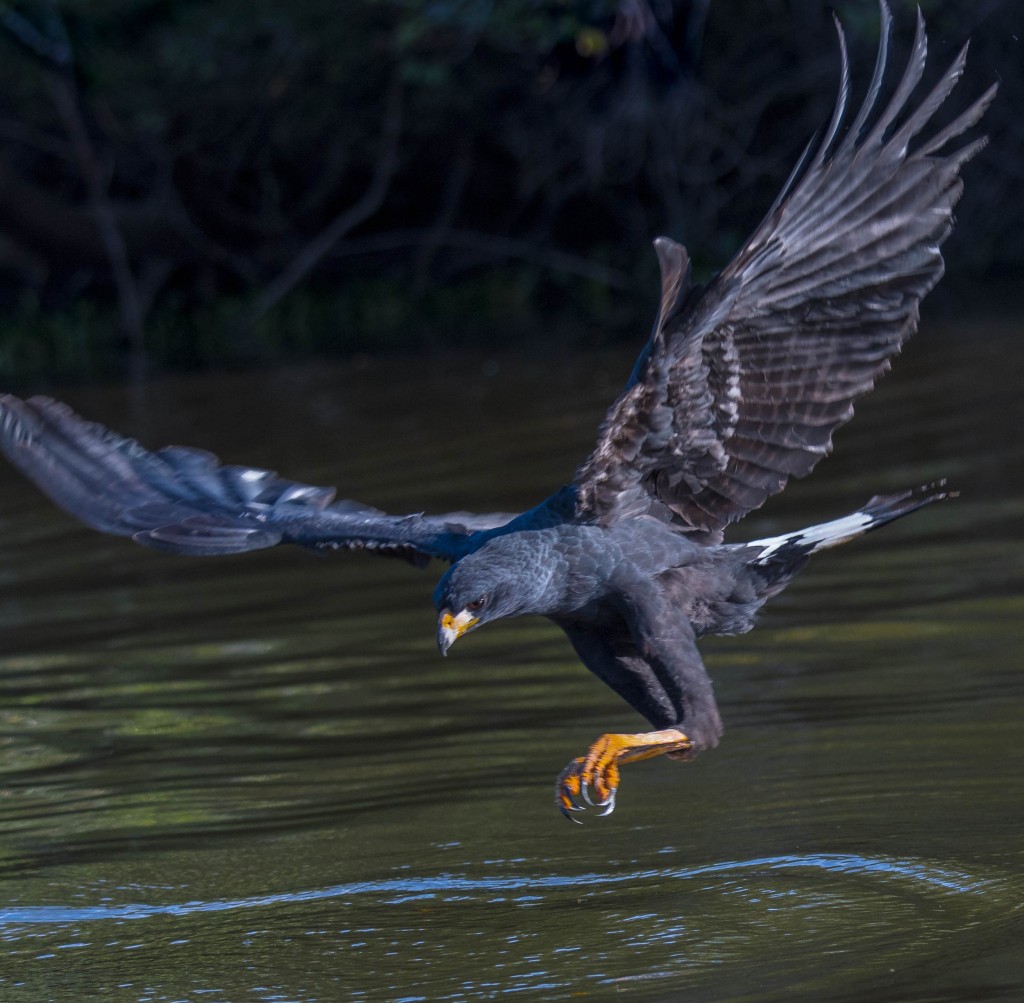
Black Hawk
Access:
The main gateways into the Pantanal are the cities of Cuiabá (capital of the state of Mato Grosso) and Campo Grande (Capital of the state of Mato Grosso do Sul).
The Transpantaneira Highway is an elevated 160 km long dirt road. With dozens of bridges, many of them wooden, it crosses the Pantanal over savannahs, lakes, seasonal streams, rivers, lagoons, marshes and shrub wetlands until finally reaching the Cuiabá River where it ends at Porto Jofre. Along the way, there are many opportunities for roadside photography of wildlife.
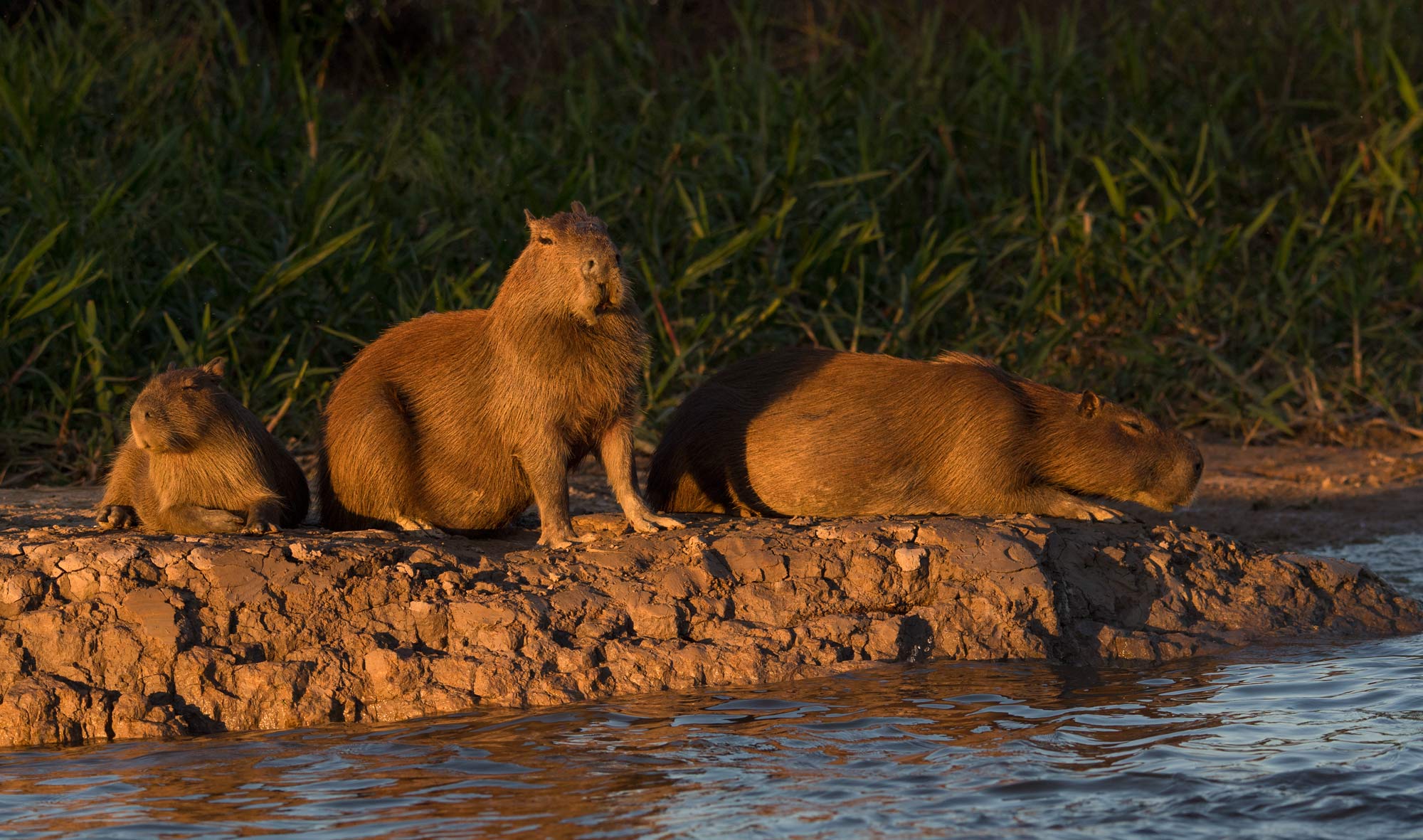
Capybara
Economy: The economy of the area is based on cattle ranching, agriculture (rice, soy beans, corn, sugar cane, etc.), agroindustries, mining (gold, diamonds, iron, manganese), professional fishing, sportfishing and eco-tourism.
Concerns: Approximately 99 % of the Pantanal is privately owned with thousands of ranches (fazendas) and 8 million cattle. Current threats to the ecosystem include hunting, poaching (exotic species trade), pesticides from agricultural runoff, pollution from sewage and mining, and infrastructure development effecting hydrology. But compared to the Everglades, it is relatively untouched despite the lack government protection.
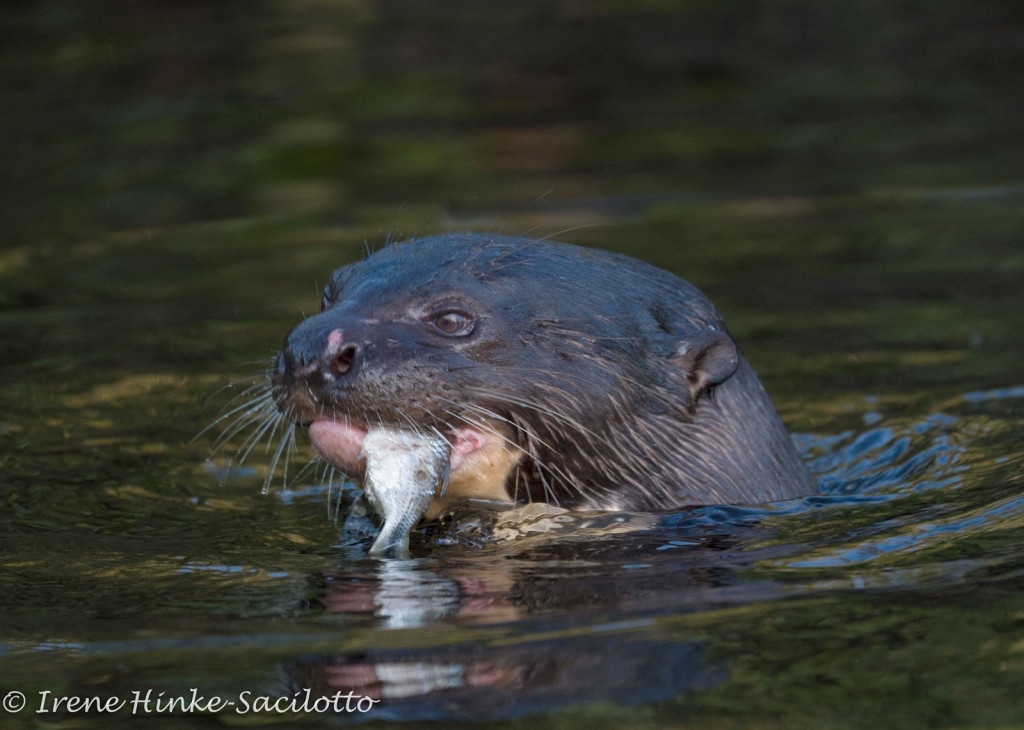
Giant River Otter eating fish.

by Osprey Photo Workshops & Tours | Aug 19, 2015 | Bird photography

Butterfly
The first time I visited Costa Rica, it was during an alumni bus tour where photography was not the focus. The trip and people were nice, but the country was not high on the list of places I wished to revisit. However recently, I was fortunate to meet some friends who invited me to their home in Costa Rica this August. They took me to a number of locations within a 2 hour drive from their home that were super for photography that changed my opinion of the country’s photographic potential. By the end of my week’s stay, we were discussing the possibilities of my developing a photography workshop locally. The volcanoes and mountains were spectacular, with tall waterfalls, low hinging clouds, huge ferns, gigantic trees, and brightly colored bromeliads, orchids and other flowering plants. The trip was only a week long, so I only saw a small portion of the country but what I saw was impressive.

Coatimundi, Costa Rica, Different coloration compared to those in Brazil an Argentina.
The hummingbirds were my favorite subjects to photograph, so many species and colors. I hoped I could ID them from their photographs but light effects their colors and they alter feather position and change colorization. I know now, I realize need expert help. I had hoped for photos of male quetzals an iridescent green bird with a long elegant tail. We visited an area where they feed and saw them flying at a distance but I will have to wait until my next trip to capture an acceptable image of one. However, during my Costa Rica photo tour I photographed coati, spider and capuchin monkeys, iguanas, crocodiles, red squirrels, a raccoon, a rhinoceros beetle, red crab, parakeets, hummingbirds, tanagers, woodpeckers, and other bird species. Places visited included La Paz, Poas Volcano, Paraiso Quetzal, Hotel Savegre, & Manuel Antonio NP.

Flame-colored Tanager Costa Rica, Sevegre Lodge
Most nights I spent at my friend’s house in Tabaca, overlooking San Jose and its suburbs and a mountain range. The elevation was high and to my surprise temperatures dropped quite low at night requiring a warm jacket. My host’s home was surrounded by a wonderful garden with a small waterfalls, colorful flowers, and hummingbird feeders. The only night away from Tabaca was spent at the lovely Hotel Savegre in the heart of a jungle preserve where Quetzals are found. Outside the guest rooms were beautiful gardens and feeder stations where bananas and other fruit were placed to attract flame-colored tanagers, blue-gray tanagers, rufus-collared sparrows, acorn woodpeckers, and an assortment of hummingbirds.
The downside of the trip was the traffic. Every day there were rush hour traffic jams in the area around San Jose. Double “no passing” lines in the middle of the road seem to have no meaning to locals and motor bikes are plentiful and are constantly darting between cars. Overall, major roads were in good shape except where mud slides required repair. The small towns we encountered were charming with churches dating back hundreds of years. However, driving through them was challenging with frequent turns and few street signs. All things considered, these inconveniences are minor when you consider all Costa Rica has to offer. Keep your eye on my schedule. I suspect I will be adding Costa Rica to my list of photo tours in 2016.

Hummingbird, Costa Rica, Paraiso Quetzal
Tips for shooting in Costa Rica and similar habitats:
Days with soft light were the best for shooting in the jungle. Stronger light produces hot spots in the background and deep shadows that obscured details.
On overcast days when shooting hummingbirds, I used a high ISO, fast flash sync speed, and fill flash set on -1 or -2. The flash brought out the bird’s iridescent colors even on a rainy day.
To freeze the wings, I would like to return with several flashes set on a manual setting (1/32 sec) and 2 or 3 placed near the bird and 1 or 2 on the background. All would need to be in the shade so no ghosting will occur. The flashes would be fired at the same time by a set of Pocket Wizards (radio trips). Ideally you would put out a feeder and train the hummers to come to it. By blocking several holes you can control the hummers approach and increase you chances of success. You can go further and replace the feeder with a flower baited with sugar water.
Flash with a “better beamer” attached to extend the flash power can be used to throw light onto subjects in the shade of the canopy.
Cameras with small built-in flashes often proved satisfactory if used in a jungle setting but close to the subject.
With flash exposure, if a subject is moving and there is enough sunlight hitting the subject to produce a daylight exposure (can happen at high ISOs or large lens openings), you may get ghosting (an overlap of a sharp flash image and blurred daylight image.) If the subject is still and you use daylight as the primary source of light and the flash as fill (-2), ghosting may not be a problem.

Spider Monkey
Bring a ponchos or other covering for you and your camera equipment for sudden rain showers.
80-400 best or similar best for hummers – they are not very timid if you move slowly. If you use a longer focal length, it is a bit difficult to capture the birds in flight due to the narrower angle of view. The zoom feature will make it possible to zoom out and catch interaction. Tried several techniques to capture the birds after they sip at the feeder. Pre-focus where I thought they would be when they pull back. Auto focus on very edge of feeder and they catch the bird when it backs away from the feeder.
Adding the 1.4 tele-converter was not a good idea. The hummers move rapidly and the tele-converter slows the auto focus
With birds in bushes, I found manual focusing preferable to auto. Auto resulted with the focus often being on the plant and not the subject
If you want to close focus on a small subject, you can focus closer using manual focus.
600 mm lens was good for birds near a feeder in a bush but not necessarily for hummers. The narrow angle of view made it a bit difficult to find them in the viewfinder.

Host’s Garden

by Osprey Photo Workshops & Tours | May 7, 2015 | Photo classes, Photo Clubs, Photo Tours, Photo Workshops

I received several nice comments and notes such as the following after serving as a judge for the NBCC photo competition May 6, 2015. “You undertook a long drive and a tough subject, and came through in spectacular fashion!” Such complements are always appreciated. I have both presented and judged competition previously for the club. This time, as before, I was impressed with the talent and creativity of the members. Although the topic, “it’s raining” is pretty far off my wildlife/nature photography radar, I really enjoyed reviewing the images. It is always a pleasure seeing how photographers vary approaching the same topic. As do the images from my students, seeing these photographs also expanded my vision. If you have an open mind, there is I always something new to learn. I may even borrow the topic “it’s raining” as part of an assignment for my Creative Photography workshops. My hat is off to the competition winners. http://www.nbccmd.org

by Osprey Photo Workshops & Tours | Apr 27, 2015 | FlowerPhotography, Nature Photography, Photo classes, Photo Technique, Photo Workshops, Wildlife Photography

NEW ….. Garden Photography Class
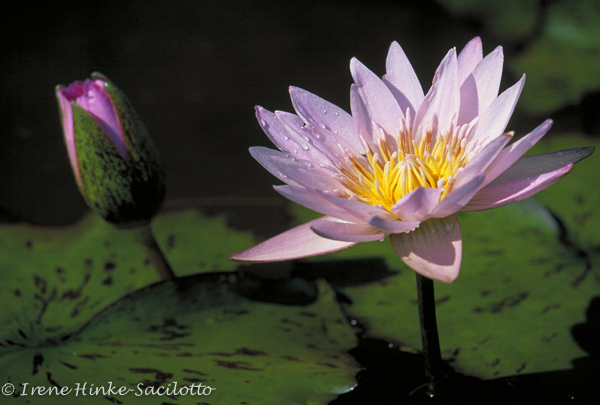
Lilypons Water Gardens (Field Trip)
23, 27, 30 Jun, 7 Jul 2015
with Irene Hinke-Sacilotto
Classroom @ Y in Abingdon, MD: 23 & 30 Jun, 7 Jul 2015 (630 – 8:30 PM)
Field practice @ Lilypons: 27 Jun 2015 (Saturday 8:00 – 11:30 AM)
Date for the field trip was selected because it is the best time to see lilies and lotus blooming at the same time. Garden is located near Frederick, MD. (Max number of participants – 6)

With exotic flowers in attractive surroundings, Lilypons Water Gardens offers you a wide range of subjects to photograph. Although designed to showcase lilies, lotus, and other aquatic plants, the gardens include terrestrial favorites — iris, cone flowers, ornamental grasses, flowering shrubs, black-eyed susans, and other colorful blooms. Some gardens are accented with ornamental waterfalls, fountains, and statues. These and other decorative touches add interest, perspective, and a sense of motion to the images. The gazebo reflecting in a lily pond is my favorite. In addition to their aesthetic appeal, the gardens provide opportunities to photograph wildlife drawn to the water, shelter, and food. Common visitors include an assortment of insects, birds, frogs, turtles, snakes, deer, fox, muskrats, raccoons, and squirrels.

Topics of discussion include: equipment selection, composition, lighting, exposure, creative design, and perspective. Field practice @ Lilypons Water Gardens. Classroom sessions are at the Ward Center, Y of Central Maryland, Abingdon, MD. (Based on Digital SLR cameras)

Directions to Lilypons – near Frederick, MD. Take Route I-70 and follow Route 85 south through Buckeystown until you see Lilypons Road. Turn left; cross the bridge; and turn into the entrance to Lilypons Water Gardens on the left. Proceed to the parking area. (Approximately 2 hours from Baltimore).
Register with the Y of Central MD, Abingdon, MD
http://ymaryland.org/locations/familycenterys/wardharfordcounty
410-679-9622


