
by Osprey Photo Workshops & Tours | Apr 27, 2015 | FlowerPhotography, Nature Photography, Photo classes, Photo Technique, Photo Workshops, Wildlife Photography

NEW ….. Garden Photography Class
Lilypons Water Gardens (Field Trip)
23, 27, 30 Jun, 7 Jul 2015
with Irene Hinke-Sacilotto
Classroom @ Y in Abingdon, MD: 23 & 30 Jun, 7 Jul 2015 (630 – 8:30 PM)
Field practice @ Lilypons: 27 Jun 2015 (Saturday 8:00 – 11:30 AM)
Date for the field trip was selected because it is the best time to see lilies and lotus blooming at the same time. Garden is located near Frederick, MD. (Max number of participants – 6)

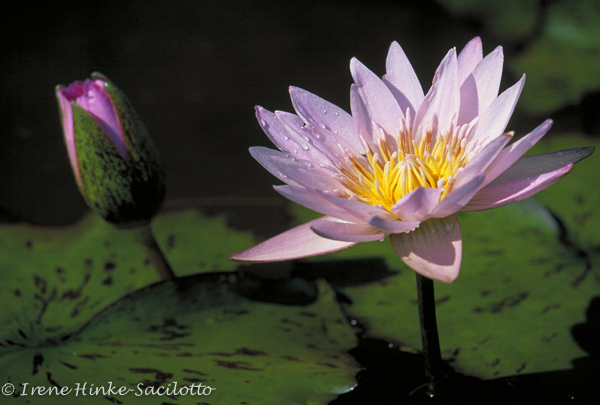
With exotic flowers in attractive surroundings, Lilypons Water Gardens offers you a wide range of subjects to photograph. Although designed to showcase lilies, lotus, and other aquatic plants, the gardens include terrestrial favorites — iris, cone flowers, ornamental grasses, flowering shrubs, black-eyed susans, and other colorful blooms. Some gardens are accented with ornamental waterfalls, fountains, and statues. These and other decorative touches add interest, perspective, and a sense of motion to the images. The gazebo reflecting in a lily pond is my favorite. In addition to their aesthetic appeal, the gardens provide opportunities to photograph wildlife drawn to the water, shelter, and food. Common visitors include an assortment of insects, birds, frogs, turtles, snakes, deer, fox, muskrats, raccoons, and squirrels.

Topics of discussion include: equipment selection, composition, lighting, exposure, creative design, and perspective. Field practice @ Lilypons Water Gardens. Classroom sessions are at the Ward Center, Y of Central Maryland, Abingdon, MD. (Based on Digital SLR cameras)

Directions to Lilypons – near Frederick, MD. Take Route I-70 and follow Route 85 south through Buckeystown until you see Lilypons Road. Turn left; cross the bridge; and turn into the entrance to Lilypons Water Gardens on the left. Proceed to the parking area. (Approximately 2 hours from Baltimore).
Register with the Y of Central MD, Abingdon, MD
http://ymaryland.org/locations/familycenterys/wardharfordcounty
410-679-9622


by Osprey Photo Workshops & Tours | Apr 23, 2015 | Bird photography, Nature Photography, Osprey, Photo classes, Photo Tours, Photo Workshops, Wildlife Photography

Each month I and other photographers post info and images on our photo workshops and classes in the “Upcoming Classes, Tours & Workshops” section of the Outdoor Photographer Magazine website www.outdoorphotographer.com
This month you will find info on my Tangier Island, VA workshop, 29-31 May 2015. Located in the middle of the Chesapeake Bay, the island is perfect for photographing community life, waterman at work, crab shacks, peers and waterways, and the wildlife that lives in the marshes and along the shoreline.

It is a terrific location to see and photograph ospreys. There are many platforms near Tangier Island in the waterways and on nearby islands and jetties where the birds nest. Part of the credit for the success of the ospreys in this portion of the bay goes to the mayor of Tangier Island, James “Ooker” Eskridge who loves watching the birds soaring overhead as works and helps maintain the nesting platforms. More images of Tangier Island and ospreys on my web gallery https://www.ospreyphoto.com


by Osprey Photo Workshops & Tours | Apr 6, 2015 | Nature Photography, Photo Technique, Photo Tours, Photo Workshops, South Dakota, Wildlife, Wildlife Photography

Prairie Dog. Approach low and slowly. Pausing periodically.
Stalking Techniques
- Emulate movements of subject. (For reindeer, a local guide suggested simulating antlers by holding tripod legs over our head.)
- Move slowly, pause periodically, & make no sudden moves.
- Keep a low profile to avoid appearing human and a threat.
-

Elephant seal. Approached with low profile.
- Observe the animal’s movement. Don’t walk directly towards it. Move on an indirect route. Where possible, move in a direction to intersect the path the subject is taking.
- Avoid wearing shiny objects, noisy clothing, perfumes, or anything that is not natural to their environment.
- Avoid intense eye contact with the subject & loud noises.
- Leave an escape route for the animal.
- Don’t block its path. (I accidentally did this once and had an elk run its antlers into the tree where I had taken refuge.)
- Animal curiosity can act in your favor.
-

Badger. Approached careful and kept distance using 600 mm lens. Only once when someone walked by me did it show signs of concern and briefly retreated to its burrow. Can be a nasty adversary.
- Photographing from the water seems to improve success in many cases where from a kayak, canoe, or wading.
- No matter if in a national park or refuge, animal behavior is Use your longer lenses. If the animal feels threatened, it may attack you and the attack can be lethal.
-

Black Bear. Shot from vehicle for safety reasons with long lens.
- Wearing camouflage clothes may be helpful since you better blend in with the surroundings. Like humans, animals can spot shapes and movements that are out of place. Literature says some but not all can detect colors so camouflage clothing may be a wise choice. In addition, camouflage clothing discourages approach by curious human who might disrupt your activities.
- I believe in some cases talking softly in monotone can provide an animal with a sense of security. The tone is not threatening, and the animal has a good sense of your location and is more comfortable with your presence.
- On windy days animals are often more nervous since noises can be confusing. It is harder for them to identify the direction noises and threats are coming from. This is not the case in places in South Texas where the wind blows constantly.

Moved into field taking a path that would intersect where the deer is moving.
by Osprey Photo Workshops & Tours | Feb 27, 2015 | Bird behavior, Nature Photography, Photo Technique, Photo Tours, Photo Workshops, Tangier Island, Wildlife, Wildlife Photography

Tangier Island
TANGIER ISLAND Photo Workshop
See Website for details (Schedule) & Photo Gallery: www.ospreyphoto.com
21-31 May 2015
In the middle of the Chesapeake Bay, just south of the Maryland line, is Tangier Island, VA. It is actually a series of small islands connected by narrow wooden bridges spanning marshes and tidal creeks. Tangier is a charming community and home to waterman who make their living, as did their ancestors, crabbing, fishing, and oystering. At dawn, we will photograph the waterman as they motor out to their crab shanties to gather supplies for the day. From a boat I charted, we will be able to capture images of the offshore structures and crabbers as they work. We will also explore the beach, tidal creeks, and wetlands in search of wildlife – ducks, herons, skimmers, pelicans, and osprey which nest in large numbers nearby. Includes golf cart transportation, 2 nights at B&B, and image critiques.

Workboat at Sunset


Sunrise Tangier Island

Black Skimmer w/fish
Tangier Island Description
Just south of the Maryland line, in the middle of the Chesapeake Bay, lies Tangier Island, VA. Covering approximately 1.2 square miles, Tangier Island is actually a series of small islands connected by a series of narrow wooden bridges spanning marshes and tidal creeks.

Tangier Island

Dunlin. Visit the island during the spring.
Tangier is a charming community of waterman and shop owners, often referred to as the soft crab capital of the world. Many born on the island speak a unique dialect of English dating back to the language used by those who settled the island from Cornwall England. For visitors, animated conversations between islanders can be somewhat difficult to understand. Inhabitants make their living as did their ancestors for more than 400 years by crabbing, fishing, and oystering. Each day well before dawn, the waterman depart the island for their off shore docks and crab shanties to retrieve their crab pots, soft crab scrapes, floats, and other gear required to harvest the blue crabs which are abundant near the island. After hours on the water, they return to off load their catch for shipment back to the mainland and to tend to their soft crab shedding tanks. It is a difficult life, with long days at the mercy of the weather and seas.

Wildlife is plentiful in the marshes, creeks, beaches, and waters surrounding the island. Ducks, geese, herons, rails, shorebirds, terns, and pelicans take advantage of the abundant food supply and shelter. To the delight of photographers, there is a healthy population of ospreys with many nesting on nearby structures and soaring overhead.
Isolated from the mainland, Tangier can only be reached by boat or small plane. Golf carts replace cars as the primary mode of transportation on the island since the streets are narrow and barely wide enough for 2 carts to pass. It’s a peaceful community with friendly people and no traffic lights or violent crime. There are no banks, arcades, and only 2 bed and breakfast accommodations. Bring cash since not all establishments accept credit cards. Cell phone connection difficult. Limited Wi-Fi.

Tangier Island is worth a visit for a rare opportunity to photograph a unique way of life that is slowly disappearing. Potential subjects include work boats, offshore crab shanties & docks, working waterman, an active waterfront, birds, beaches, and lots more. Best times to visit – mid April to early Oct. Favorite B&B – Bay View Inn (photo below).

Bay View B&B
by Osprey Photo Workshops & Tours | Dec 30, 2014 | Digital Photography, Nature Photography, Photo Tours, Photo Workshops, Wildlife, Wildlife Photography
“A Passion for Wildlife Photography, the Stories Behind the Images” is the title of a presentation that I delivered numerous times during the last three years for a variety of sponsors– conferences, universities, environmental organizations, libraries, and camera clubs. During the program, I discuss the strategies, techniques, and equipment required to capture the beauty of animals in the wild and their behavior with a D-SLR camera. Over a series of blogs I will share some of my thoughts, tips and images relating to the subject.
What motivates me?
Wildlife photography…
Allows me to see anatomical details
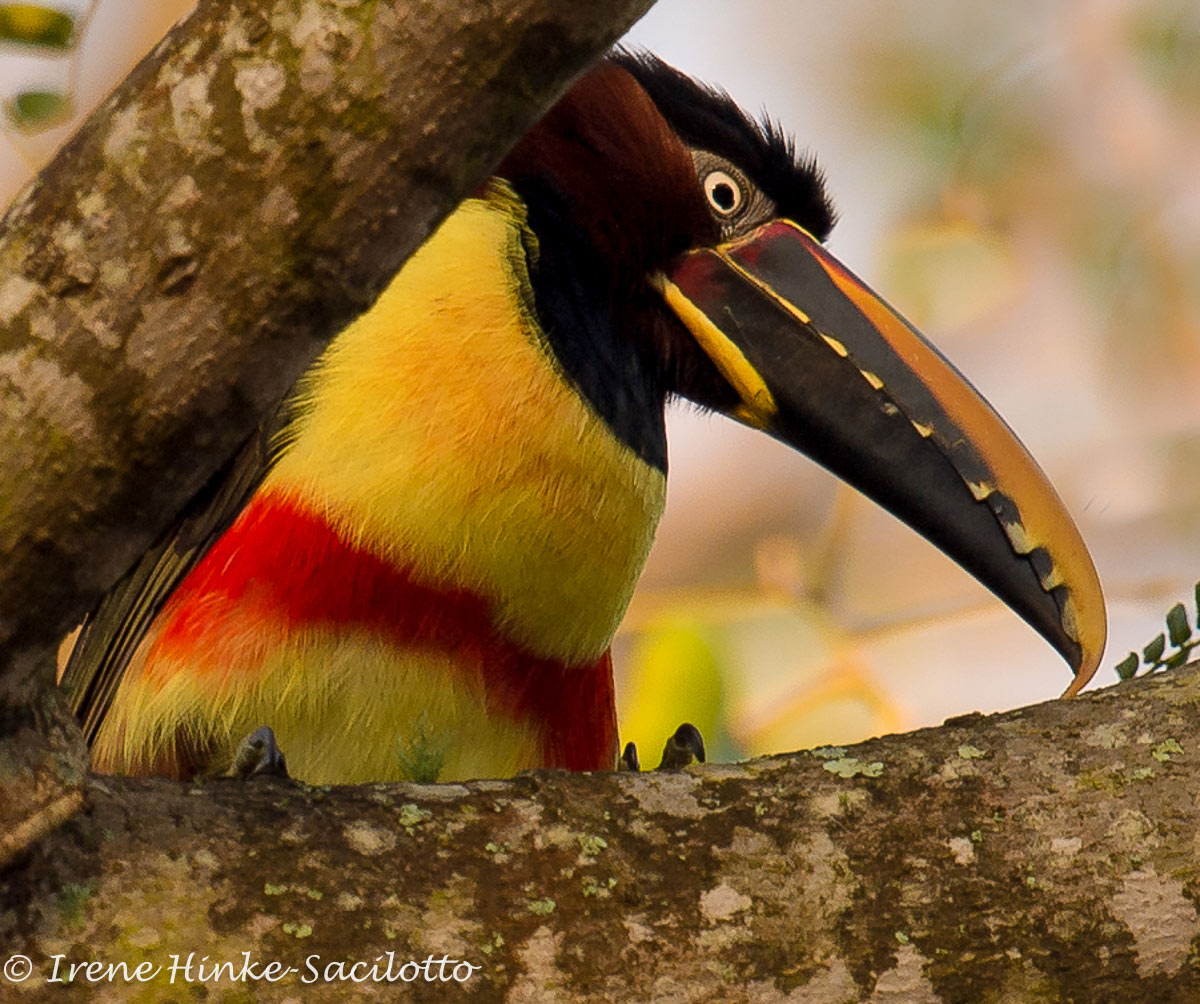
Provides insight into aspects of animal behavior often missed by casual observation

Crested Caracara
Helps me develop increased awareness of my surroundings, seeing things that never would have been noticed without a camera in hand

Monk Parakeet
Enables me to freeze action and see things that happen too fast for the eye to register

Willets
Provides me with a sense of inner peace since quality wildlife photography requires total absorption & focus on the subject
Prairie Dog
Allows me to connect with the subject and react to its movements without thinking.

American Oystercatcher
Provides me with a way to share my adventures and vision

Toco Toucan
Enjoy the New Year and give thanks for nature’s amazing gifts.
Irene


