by Osprey Photo Workshops & Tours | Jan 4, 2015 | Digital Photography, Nature, Nature Photography, Photo Tours, Photo Workshops, Wildlife, Wildlife Photography
Requirements
Knowledge of Equipment —
- Check settings heading out for a day of shooting. If camera has be to the shop for repair or cleaning, often the service people change the settings back to the defaults.
- Make sure the camera batteries are fully charged and there is a memory card of an appropriate size in place. Always carry spares.
- When traveling I back up my images onto two 1 or 2 T portable drive connected to my laptop. Then I import them into Lightroom and verify that they were transferred without any glitches or corrupted files. Only then do I format my memory card. I prefer to start with a clean card each day, 16 or 32 G. At home, I will copy the files from the smaller drives to a larger one.
- As you approach your subject, from a distance preselect the lens and settings that are most appropriate. for the situation. Consider the direction, quality, and color of the light when choosing your approach. Be aware of subtle changes in muscle tension and poses that may indicate action (addressed in later blog) and be prepared to act instantaneously.

Sandhill crane. Saw this crane approaching a pond filled with other birds. Selected my 600 mm lens and set aperture large enough so would be using a fast shutter speed. SInce it was the end of the day, also elevated my ISO. Locked focus on bird at a distance and continued to follow it as it landed. Took a series of shots.

Osprey Nest – Selected 80-400 mm zoom lens and elevated ISO. Waited patiently for the osprey t leave the nest. Took a series of shots. Photographed from the water but nearly drowned my camera when stepped into a hole where the water reached my waist.
Knowledge of Subject —
- Research your subject’s behavior. Where and when is it found? What is its temperament?
- Speak with others familiar with your subject including researchers, biologists and even learning tips from hunters as to the subject’s behavior and tolerance.
- Approach from down wind if animal has an elevated sense of smell as does the Giant Anteater. Those with long/pointy noses tend to have better sense of small than others.

Capuchin Monkey. All animals are attracted to food and are easier to photograph when their attention is on something other than you,

Giant Anteater at termite mound, Pantanal, Brazil. Long nose and good sense of smell so approach animal from down-wind.
Patience and persistence —
- Spend as long as possible with your subject. It some times takes a long time to capture what you are after and may required repeated attempts on different days and with different weather conditions. Avoid distractions and keep your focus. However if another great photo opportunity comes along, go ahead and pursue it.
- Before beginning a project and while at the scene, develop in your mind a vision of what you hope for in terms of results but never limit yourself to just this.
- Continue to develop your skills, trying to surpass previous accomplishments.
- Don’t give up. Look at other ways to achieve your goal. Perhaps move to achieve a better camera angle, light, and background.

Herring Gulls, Common bird by interesting pose.

Canvasback. Often after preening, birds flap their wings to get rid of loose feathers. Watched and waited for one of the ducks to splash water as it flapped its wings.

King Eider, Watched the eiders approach to the beach and waited for nearly an hour before captured this shot.
Curiosity & ability to observe —
- Help you be engaged with the subject and become sensitive to subtle changes in posture, etc. that may precede some behavior of interest.
- No time for snoozing. I find my mind engaged in a detective game. What it happening & why”. What’s next? What do you want to show? What fascinates you?

Billing – greeting and pair bonding. Showing intruder that this is there territory.

Northern Shovler. Anticipated flapping affer some time preening.

Atlantic Puffins. When one animal approaches another there is likely to be some interaction – friendly or otherwise.
See next installment regarding wildlife photography – locating subjects.
by Osprey Photo Workshops & Tours | Dec 30, 2014 | Digital Photography, Nature Photography, Photo Tours, Photo Workshops, Wildlife, Wildlife Photography
“A Passion for Wildlife Photography, the Stories Behind the Images” is the title of a presentation that I delivered numerous times during the last three years for a variety of sponsors– conferences, universities, environmental organizations, libraries, and camera clubs. During the program, I discuss the strategies, techniques, and equipment required to capture the beauty of animals in the wild and their behavior with a D-SLR camera. Over a series of blogs I will share some of my thoughts, tips and images relating to the subject.
What motivates me?
Wildlife photography…
Allows me to see anatomical details
Provides insight into aspects of animal behavior often missed by casual observation

Crested Caracara
Helps me develop increased awareness of my surroundings, seeing things that never would have been noticed without a camera in hand

Monk Parakeet
Enables me to freeze action and see things that happen too fast for the eye to register

Willets
Provides me with a sense of inner peace since quality wildlife photography requires total absorption & focus on the subject

Prairie Dog
Allows me to connect with the subject and react to its movements without thinking.

American Oystercatcher
Provides me with a way to share my adventures and vision

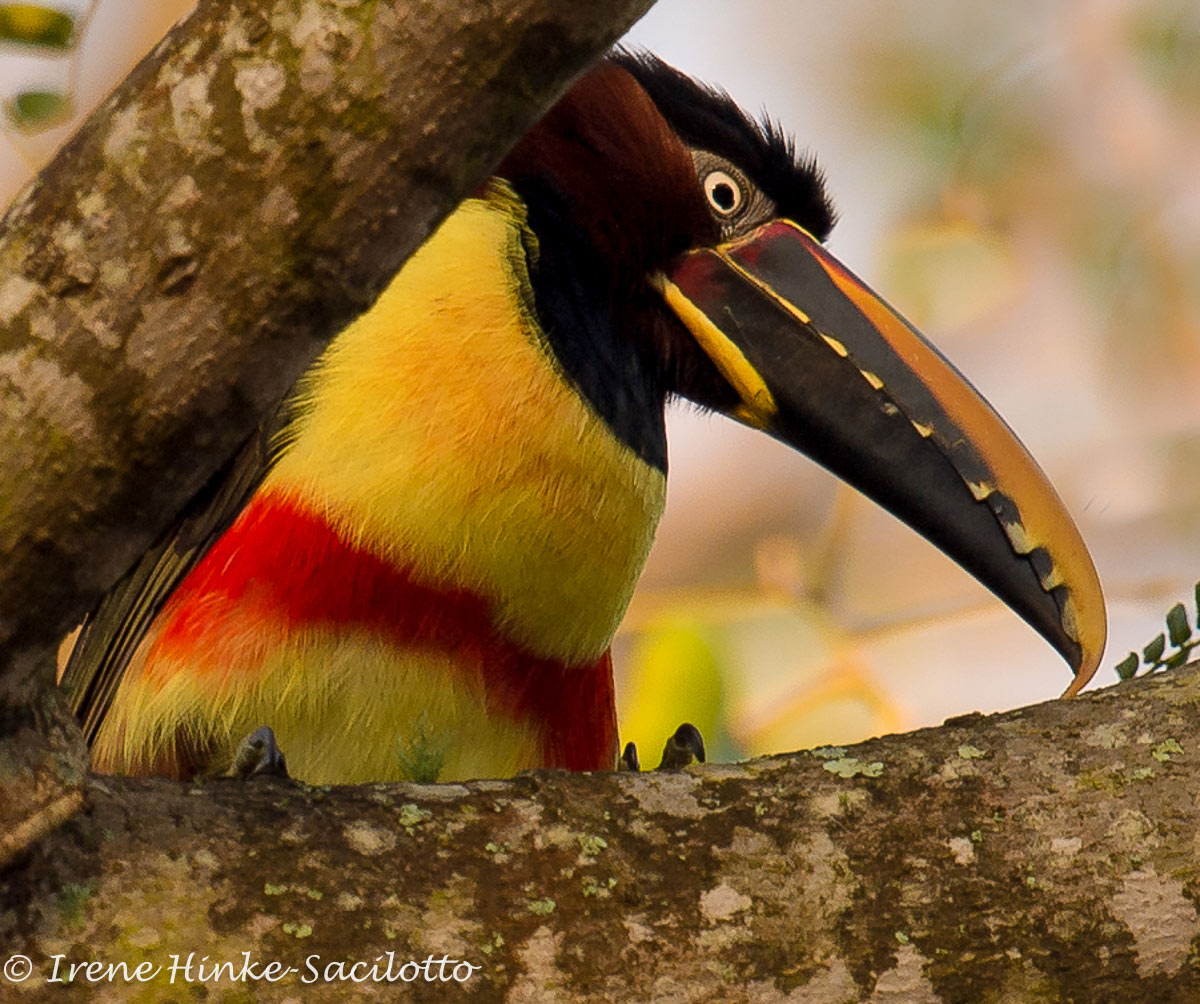
Toco Toucan
Enjoy the New Year and give thanks for nature’s amazing gifts.
Irene
by Osprey Photo Workshops & Tours | Dec 19, 2014 | Fun Photos, Photo Technique, Photo Workshops, Wildlife
UPCOMING PRESENTATION: Camera Clubs & Conferences

“A Passion for Wildlife Photography, The Stories Behind the Images”
by Irene Hinke-Sacilotto
Based on my more than 30 years’ experience photographing birds and other animals, this program covers the knowledge, strategies, techniques, and equipment required to capture professional images. Includes interesting insight into Irene’s motivation for pursuing wildlife photography. I will cover methods for locating, attracting, and approaching animals along with prime locations for wildlife photography, the use of photographic blinds, and stalking techniques. Includes images and experiences from my recent trip to Brazil’s Pantanal, one of the world’s largest tropical wetlands.
CLUBS & DATES
St. Mary’s County Camera Club, 4 Feb 2015
Fairhaven Comcam, 13 Feb 2015
Florida Camera Club Conference – 6-8 Mar 2015
Churchville Camera Club, 6 Apr 2015
Ocean Pines Camera Club, 11 May 2015
Berks Photographic Society’s 2015 Photography Conference, 5-7 Jun 2015, www.berksphotocon.com
OLLI photo club (Fairfax Co.), 10 July 2015
Carroll Camera Club, 20 Jul 2015
New Clubs Welcomed
by Osprey Photo Workshops & Tours | Jun 29, 2013 | Photo Tours, Photo Workshops, Tangier Island, Travel, Wildlife

Black Skimmer with fish flying over beach.
TANGIER ISLAND Photo Workshop
See Website for details (Schedule) & Photo Gallery: www.ospreyphoto.com
21-31 May 2015
In the middle of the Chesapeake Bay, just south of the Maryland line, is Tangier Island, VA. It is actually a series of small islands connected by narrow wooden bridges spanning marshes and tidal creeks. Tangier is a charming community and home to waterman who make their living, as did their ancestors, crabbing, fishing, and oystering. At dawn, we will photograph the waterman as they motor out to their crab shanties to gather supplies for the day. From a boat I charted, we will be able to capture images of the offshore structures and crabbers as they work.

Workboat at Sunset
We will also explore the beach, tidal creeks, and wetlands in search of wildlife – ducks, herons, skimmers, pelicans, and osprey which nest in large numbers nearby. Includes golf cart transportation, 2 nights at B&B, and image critiques.


Sunrise Tangier Island
Tangier Island Description
Just south of the Maryland line, in the middle of the Chesapeake Bay, lies Tangier Island, VA. Covering approximately 1.2 square miles, Tangier Island is actually a series of small islands connected by a series of narrow wooden bridges spanning marshes and tidal creeks.

Dunlin. Visit the island during the spring.
Tangier is a charming community of waterman and shop owners, often referred to as the soft crab capital of the world. Many born on the island speak a unique dialect of English dating back to the language used by those who settled the island from Cornwall England. For visitors, animated conversations between islanders can be somewhat difficult to understand. Inhabitants make their living as did their ancestors for more than 400 years by crabbing, fishing, and oystering. Each day well before dawn, the waterman depart the island for their off shore docks and crab shanties to retrieve their crab pots, soft crab scrapes, floats, and other gear required to harvest the blue crabs which are abundant near the island. After hours on the water, they return to off load their catch for shipment back to the mainland and to tend to their soft crab shedding tanks. It is a difficult life, with long days at the mercy of the weather and seas.

Wildlife is plentiful in the marshes, creeks, beaches, and waters surrounding the island. Ducks, geese, herons, rails, shorebirds, terns, and pelicans take advantage of the abundant food supply and shelter.
To the delight of photographers, there is a healthy population of ospreys with many nesting on nearby structures and soaring overhead.
Isolated from the mainland, Tangier can only be reached by boat or small plane. Golf carts replace cars as the primary mode of transportation on the island since the streets are narrow and barely wide enough for 2 carts to pass. It’s a peaceful community with friendly people and no traffic lights or violent crime. There are no banks, arcades, and only 2 bed and breakfast accommodations. Bring cash since not all establishments accept credit cards. Cell phone connection difficult. Limited Wi-Fi.

Tangier Island is worth a visit for a rare opportunity to photograph a unique way of life that is slowly disappearing. Potential subjects include work boats, offshore crab shanties & docks, working waterman, an active waterfront, birds, beaches, and lots more. Best times to visit – mid April to early Oct. Favorite B&B – Bay View Inn (photo below).