by Osprey Photo Workshops & Tours | Jun 29, 2013 | Photo Tours, Photo Workshops, Tangier Island, Travel, Wildlife

Black Skimmer with fish flying over beach.
TANGIER ISLAND Photo Workshop
See Website for details (Schedule) & Photo Gallery: www.ospreyphoto.com
21-31 May 2015
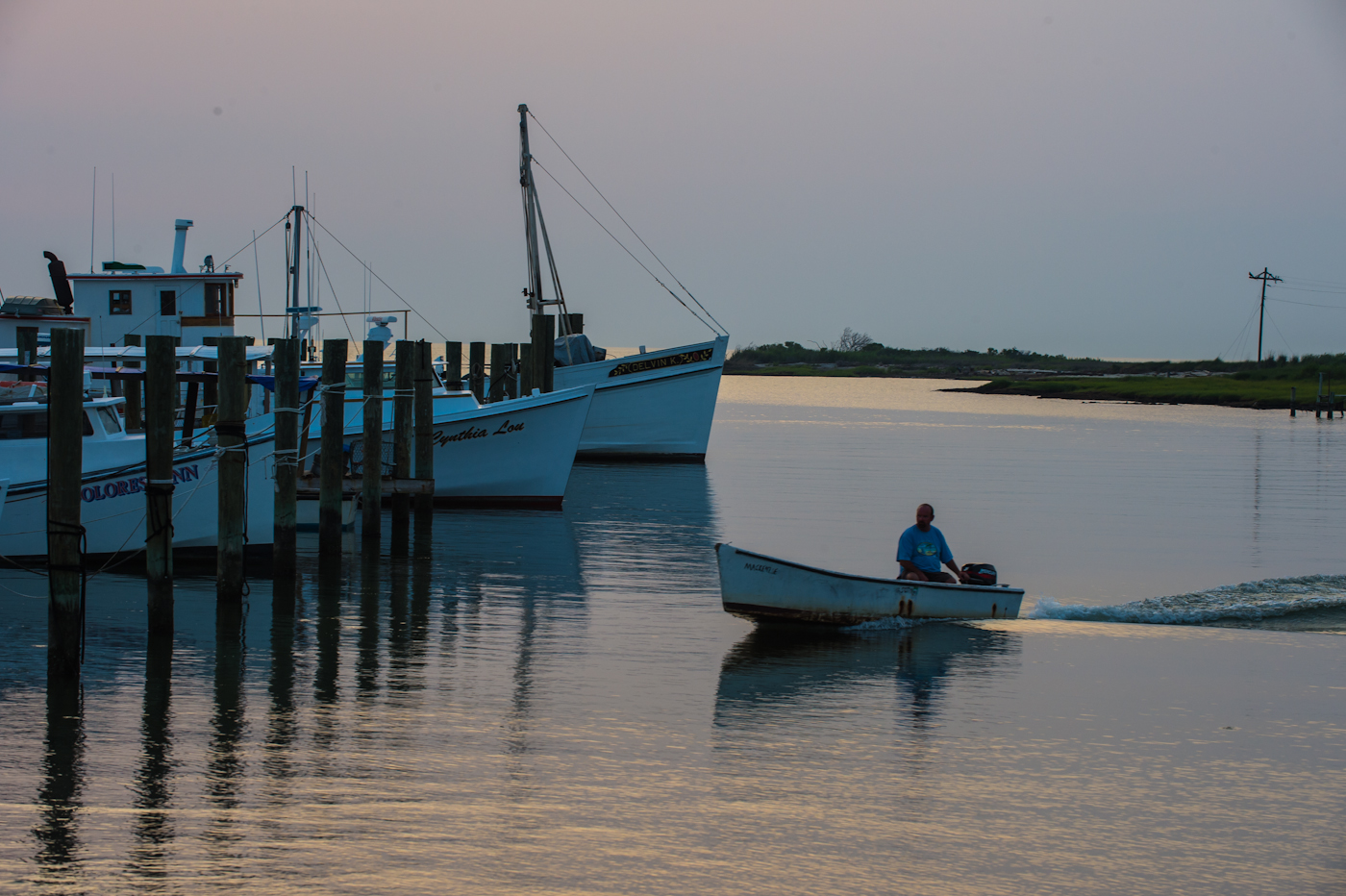
In the middle of the Chesapeake Bay, just south of the Maryland line, is Tangier Island, VA. It is actually a series of small islands connected by narrow wooden bridges spanning marshes and tidal creeks. Tangier is a charming community and home to waterman who make their living, as did their ancestors, crabbing, fishing, and oystering. At dawn, we will photograph the waterman as they motor out to their crab shanties to gather supplies for the day. From a boat I charted, we will be able to capture images of the offshore structures and crabbers as they work.

Workboat at Sunset
We will also explore the beach, tidal creeks, and wetlands in search of wildlife – ducks, herons, skimmers, pelicans, and osprey which nest in large numbers nearby. Includes golf cart transportation, 2 nights at B&B, and image critiques.


Sunrise Tangier Island
Tangier Island Description
Just south of the Maryland line, in the middle of the Chesapeake Bay, lies Tangier Island, VA. Covering approximately 1.2 square miles, Tangier Island is actually a series of small islands connected by a series of narrow wooden bridges spanning marshes and tidal creeks.

Dunlin. Visit the island during the spring.
Tangier is a charming community of waterman and shop owners, often referred to as the soft crab capital of the world. Many born on the island speak a unique dialect of English dating back to the language used by those who settled the island from Cornwall England. For visitors, animated conversations between islanders can be somewhat difficult to understand. Inhabitants make their living as did their ancestors for more than 400 years by crabbing, fishing, and oystering. Each day well before dawn, the waterman depart the island for their off shore docks and crab shanties to retrieve their crab pots, soft crab scrapes, floats, and other gear required to harvest the blue crabs which are abundant near the island. After hours on the water, they return to off load their catch for shipment back to the mainland and to tend to their soft crab shedding tanks. It is a difficult life, with long days at the mercy of the weather and seas.

Wildlife is plentiful in the marshes, creeks, beaches, and waters surrounding the island. Ducks, geese, herons, rails, shorebirds, terns, and pelicans take advantage of the abundant food supply and shelter.
To the delight of photographers, there is a healthy population of ospreys with many nesting on nearby structures and soaring overhead.
Isolated from the mainland, Tangier can only be reached by boat or small plane. Golf carts replace cars as the primary mode of transportation on the island since the streets are narrow and barely wide enough for 2 carts to pass. It’s a peaceful community with friendly people and no traffic lights or violent crime. There are no banks, arcades, and only 2 bed and breakfast accommodations. Bring cash since not all establishments accept credit cards. Cell phone connection difficult. Limited Wi-Fi.

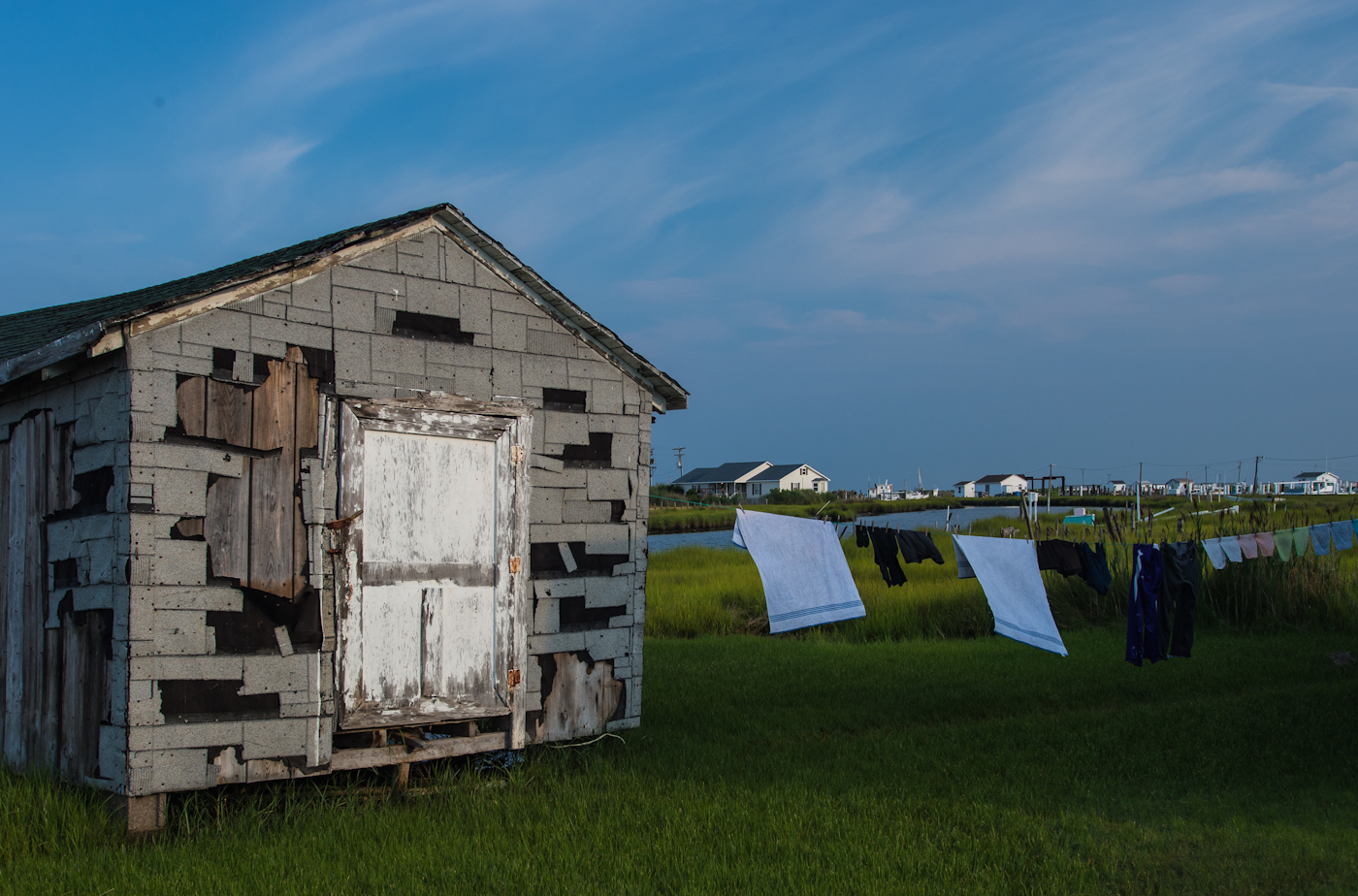
Tangier Island is worth a visit for a rare opportunity to photograph a unique way of life that is slowly disappearing. Potential subjects include work boats, offshore crab shanties & docks, working waterman, an active waterfront, birds, beaches, and lots more. Best times to visit – mid April to early Oct. Favorite B&B – Bay View Inn (photo below).
by Osprey Photo Workshops & Tours | Nov 16, 2012 | Outer Banks, Photo Tours, Photo Workshops, Travel, Wildlife
OUTER BANKS PHOTO WORKSHOP
5-9 December 2012
with Irene Hinke-Sacilotto
Sponsored by Norfolk Bottanical Gardens

This extended weekend photo workshop on the Outer Banks includes a variety of photographic opportunities with visits to local lighthouses, beaches, inland dunes, small boat harbors, historic sites, wildlife refuges, and parks intermixed with critiques of participant images. The Outer Bank’s miles of pristine shoreline and shifting dunes are some of the most beautiful in North America. Over the ocean, along the shore, and in the marshes, waterways, and forests, we will search for wildlife characteristic of the region, including pelicans, herons, shorebirds, warblers, pelagic seabirds, dolphins, and more. To photograph snow geese and other waterfowl, we will visit Pea Island National Wildlife Refuge. For close-up bird photography, we will drive inland to Sylvan Heights Bird Park near Scotland Neck where over 1500 ducks, geese, swans, and other exotic birds reside in 18 acre facility which includes large walk through aviaries and natural habits for North Carolina’s native species. Other locations to be visited include Jockey’s Ridge; Bodie, Currituck Beach, & Cape Hatteras Lighthouses; Wanchese harbor; and Hatteras National Seashore. Field excursions will be mixed with critique sessions @ Outer Banks Beach Club II, Kill Devil Hills. (7:30 PM,Wed.5 Dec –2:30 PM, Sun. 9Dec.) For details, contact www.ospreyphoto.com or http://www.norfolkbotanicalgarden.org/programs-events. Register with Norfolk Botanical Gardens. For additional information, please call (757) 441-5830, ext 338; Monday – Friday between 10AM – 2 PM or email:registrar@nbgs.org.

by Osprey Photo Workshops & Tours | Nov 16, 2012 | Assateague, Chicoteague, Photo Tours, Photo Workshops, Wildlife
Wildlife Photography Programs – free to public.
23 Nov 2012, 1:30 p.m. @ Chincoteague National Wildlife Refuge, Bateman Visitor Center
24 Nov 2012, 10:30 a.m. @ Assateague Isl National Seashore, Assateague Visitors Center

A Passion for Wildlife, the Stories Behind the Images
by Irene Hinke-Sacilotto
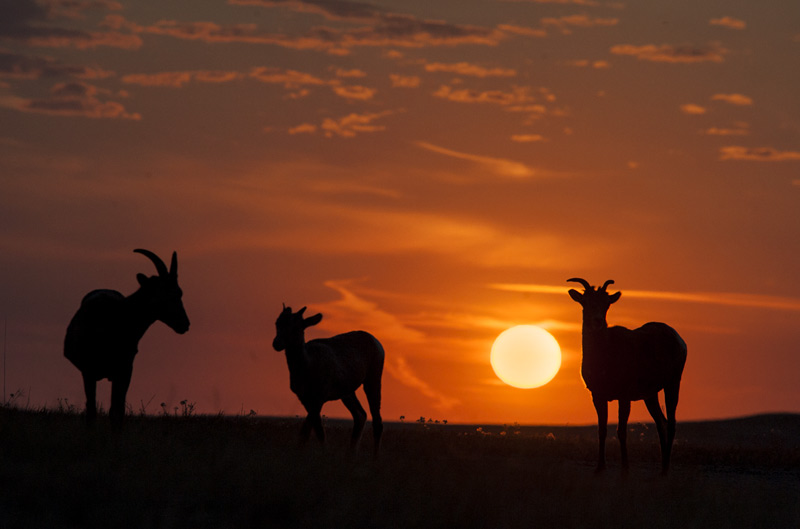
Based on the my more than 30 years’ experience photographing birds and other animals, this lecture covers the strategies, techniques, and equipment required to capture professional wildlife images. The program will include locating, attracting, and approaching wildlife along with prime locations for wildlife photography, the use of photographic blinds, and stalking techniques. Safety and ethical considerations will be included. Throughout the presentation, I will share my field experiences photographing in the U.S. & abroad.
by Osprey Photo Workshops & Tours | Sep 14, 2012 | Nature, Photo Tours, Photo Workshops
 West Virginia Autumn Photo Workshop
Canaan Valley, Blackwater Falls, Dolly Sods
12-14 Oct. 2012
w/ Irene Hinke-Sacilotto
Limited to 10 participants.
One of my favorite photo workshop destinations is Canaan Valley, Blackwater Falls State Park, and the surrounding countryside in the West Virginia Mountains. The locations have been selected to provide workshop participants with a wide selection of photo subjects varying from beautiful mountain scenery to semi-tame deer. I scheduled the workshop to coincide with autumn color. Activities will begin at sunrise to take advantage of the warm early morning light. Field experience will be mixed with helpful critiques mid-day Sat. and Sun. afternoon. For convenience we will be staying at Canaan Valley Resort, centrally located and a relatively short drive to each of the photo destinations.
CANAAN VALLEY
Located in the Appalachian Mountains, Canaan Valley Park is a 6,000 acre sanctuary with over 18 miles of established trails through the marshes, woods, and meadows. The valley is home to a variety of wildlife, including deer, raccoons, groundhogs, chipmunks, beaver, skunks, herons, waterfowl, salamanders, and an occasional black bear or bobcat. In October, days are cool and pleasant, with some early morning frost. At 3,200 feet above sea level, the Canaan Valley is cooler than surrounding countryside and the trees change color earlier than in other parts of the state. In autumn, visitors are treated to a kaleidoscope of color, crimson maples, burnt-orange oaks, and golden aspen. It’s rutting season for Whitetail Deer so they are more visible in the fields. Beavers, muskrats, and bears are active, busily gathering food for the winter. Migrating Canada Geese and other waterfowl are common sights flying overhead on their way to feed in the Blackwater River and surrounding wetlands.
BLACKWATER FALLS
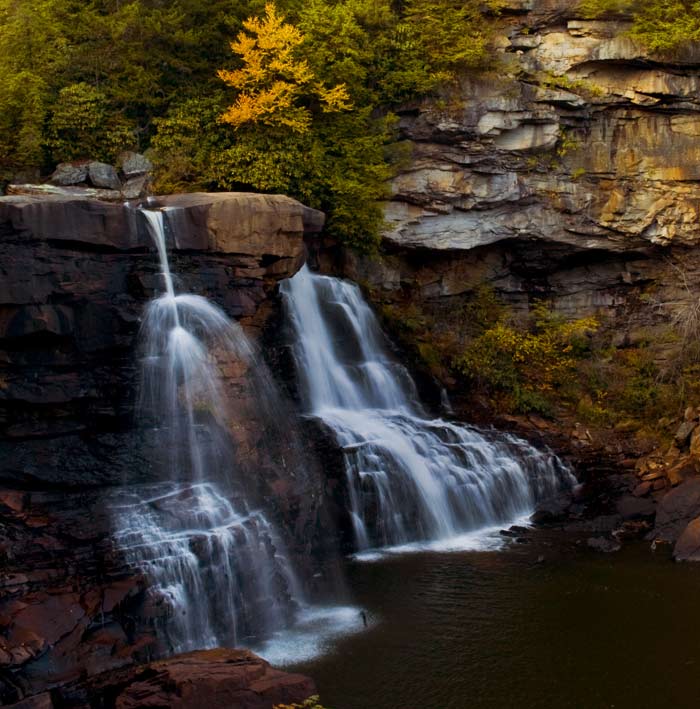
Within a 30-minute drive from out hotel is Blackwater Falls State Park. Strategically placed overlooks provide views of the Blackwater River as it cascades over boulders and plunges 60 feet over Blackwater Falls. Other trails and viewpoints throughout the park provide additional opportunities to capture the fall color in combination with the Blackwater River Valley and surrounding mountains.
DOLLY SODS
Nearby on a high mountain ridge is Dolly Sods Wilderness. Because of its altitude and exposure to harsh weather, this remote area resembles the arctic tundra more than typical West Virginia. Huge lichen-covered boulders are strewn about in a haphazard fashion; low blueberry and cranberry bushes cover the ground; and deformed one-sided trees stand as testament to the harsh winters. Cold weather comes early to the high country and in Oct. leaves of many low growing shrubs turn crimson and glow when back-lit by the late afternoon sunlight. Trails lead to rocky overlooks for interesting lighting, abstract forms, and panoramic views of the surrounding Appalachian Mountains.
SPECIAL NOTES
The group is small so I can give in individual attention to each participant, working with each person at their skill level. Include will be several exercises to accompany the field work. Ample time will be available for questions. The itinerary is flexible and will be adjusted according to the location and availability of subjects, the weather, group interest, and other factors. Hiking will not be strenuous but some trails may be rocky or wet in spots. Any hiking will be slow paced with plenty of time for rest. Anyone may abstain from an activity and select an alternative that is less strenuous. Boots with firm ankle support are recommended. Dress warmly in layers. Participants should bring 5 samples of your work. These will be used during the orientation and as time permits.
TRANSPORTATION: While on site, we will car pool to each location. However, each participant is responsible for their own transportation to and from home. Once registered, contracts, health forms, & additional details will follow.
ACCOMMODATIONS: At Canaan Valley Resort (block of rooms are reserved for the class & included in the price.)
SCHEDULE
Friday, 12 October
7:00-8:30 PM (Orientation Program)
Saturday, 13 October
Sunrise to 10:30 AM (Field – Canaan Valley)
10:30-1:30 PM (Lunch & Critique)
1:30-Sunset PM (Field – Seneca Rocks, Dolly Sods, Canaan Valley)
Sunday, 14 October
Sunrise to 10 AM (Field – Blackwater Falls)
Noon-2:00 PM (Critique & Wrap-up)
Double – $536 Single – $686
by Osprey Photo Workshops & Tours | Aug 14, 2012 | Nature, Photo Tours, Photo Workshops, Travel, Wildlife
Tangier Island Photo Workshop
8 & 9 Sep 2012
Instructors: Irene Hinke-Sacilotto and Bill Wallen
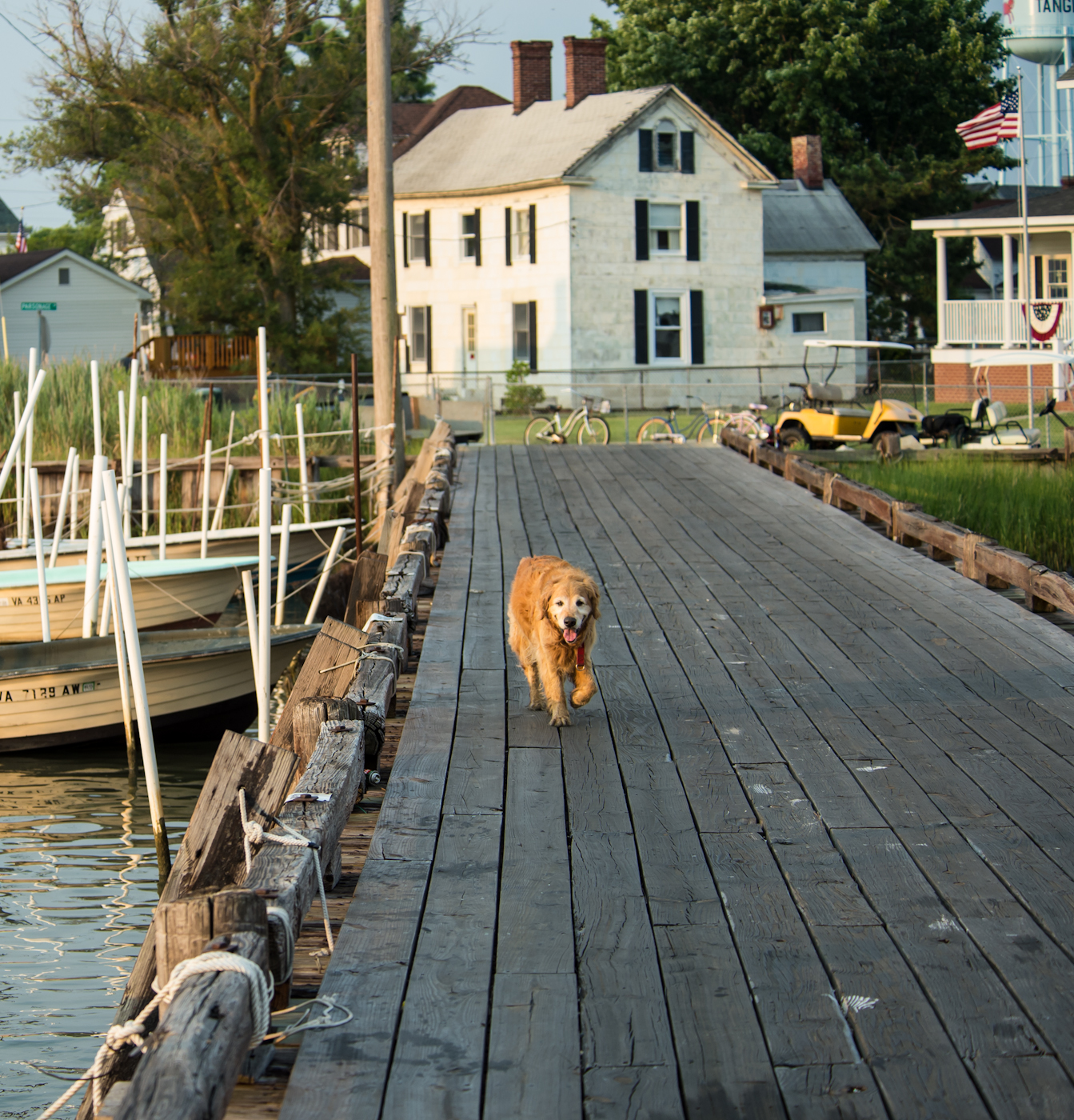
All inclusive – boat and ground transportation, room, food, digital photography instruction. Round-trip cruise from Crisfield to Tangier Island in the Chesapeake Bay.
Features
– Experienced instructors
– High instructor to student ratio
– Nikon lenses available for borrowing
– Photography ooportunities from both land and water
– Unique setting
– Potential photo subjects: crab shacks, workboats, small boat harbor, waterman at work, quaint homes and historic buildings, plus osprey, herons, and other wildlife.
– Includes critique of participant images at the end of the workshop
Sponsored by the Ward Museum of Wildfowl Art
$450 Members; $500 Non-members
Registration deadline: Friday, August 24
For more information visit www.wardmuseum.org
To register call 410-742-4988 ext. 110 or email WardEducation@salisbury.edu


by Osprey Photo Workshops & Tours | Jun 25, 2012 | Nature, Photo Tours, Photo Workshops, Wildlife

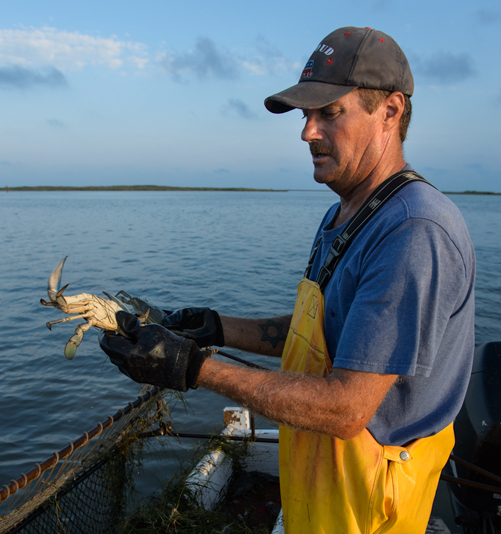
The last Chincoteague photo workshop I conducted was fun as usual. Great people and myfavorite location to offer programs. Saturday mornings dawn photography on the beach was very productive with wind swept waves backlit by the sun and feeding sanderlings racing along the shore to beat advancing waves. Attracted by an abundant supply of horseshoe crab eggs, other migrating shorebirds were prsent in large numbers on the mud flats at low tide and along the shore of Toms Cove –dowitchers, godwits, dunlin, ruddy turnstones, willets, plovers and more. Great photo opportunities were presented by terns and egrets catching fish in the borrow ditch just a few feet away, sometimes catching two at a time and fighting over prime fishing territory. A pair of oystercatchers nesting near the ocean parking lot calmly posed for photographs those who remained in the car. Black skimmers engaged in courtship antics nearby. This program was sponsored by Norfolk Botanical Gardens.
Coming up are two nature photography workshops, “Wildlife Photography” at Norfolk Botanical Gardens, 24 – 26 Aug. Plus a basic editing class at the gardens the same week. Just added to my schedule is a new Chincoteague weekend scheduled for 10 – 12 Aug and sponsored by the Ward Museum of Waterfowl Art, Salisbury University

 .
.