by Osprey Photo Workshops & Tours | Nov 16, 2012 | Assateague, Chicoteague, Photo Tours, Photo Workshops, Wildlife
Wildlife Photography Programs – free to public.
23 Nov 2012, 1:30 p.m. @ Chincoteague National Wildlife Refuge, Bateman Visitor Center
24 Nov 2012, 10:30 a.m. @ Assateague Isl National Seashore, Assateague Visitors Center

A Passion for Wildlife, the Stories Behind the Images
by Irene Hinke-Sacilotto
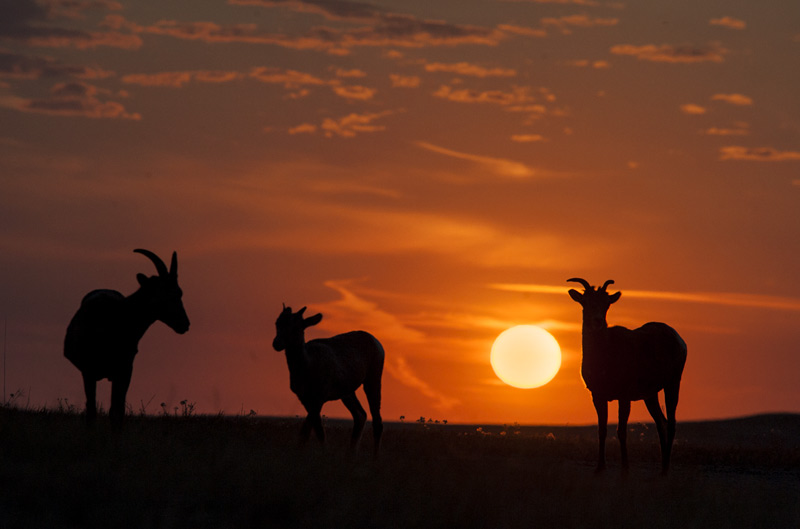
Based on the my more than 30 years’ experience photographing birds and other animals, this lecture covers the strategies, techniques, and equipment required to capture professional wildlife images. The program will include locating, attracting, and approaching wildlife along with prime locations for wildlife photography, the use of photographic blinds, and stalking techniques. Safety and ethical considerations will be included. Throughout the presentation, I will share my field experiences photographing in the U.S. & abroad.
by Osprey Photo Workshops & Tours | Sep 14, 2012 | Nature, Photo Tours, Photo Workshops
 West Virginia Autumn Photo Workshop
Canaan Valley, Blackwater Falls, Dolly Sods
12-14 Oct. 2012
w/ Irene Hinke-Sacilotto
Limited to 10 participants.
One of my favorite photo workshop destinations is Canaan Valley, Blackwater Falls State Park, and the surrounding countryside in the West Virginia Mountains. The locations have been selected to provide workshop participants with a wide selection of photo subjects varying from beautiful mountain scenery to semi-tame deer. I scheduled the workshop to coincide with autumn color. Activities will begin at sunrise to take advantage of the warm early morning light. Field experience will be mixed with helpful critiques mid-day Sat. and Sun. afternoon. For convenience we will be staying at Canaan Valley Resort, centrally located and a relatively short drive to each of the photo destinations.
CANAAN VALLEY
Located in the Appalachian Mountains, Canaan Valley Park is a 6,000 acre sanctuary with over 18 miles of established trails through the marshes, woods, and meadows. The valley is home to a variety of wildlife, including deer, raccoons, groundhogs, chipmunks, beaver, skunks, herons, waterfowl, salamanders, and an occasional black bear or bobcat. In October, days are cool and pleasant, with some early morning frost. At 3,200 feet above sea level, the Canaan Valley is cooler than surrounding countryside and the trees change color earlier than in other parts of the state. In autumn, visitors are treated to a kaleidoscope of color, crimson maples, burnt-orange oaks, and golden aspen. It’s rutting season for Whitetail Deer so they are more visible in the fields. Beavers, muskrats, and bears are active, busily gathering food for the winter. Migrating Canada Geese and other waterfowl are common sights flying overhead on their way to feed in the Blackwater River and surrounding wetlands.
BLACKWATER FALLS
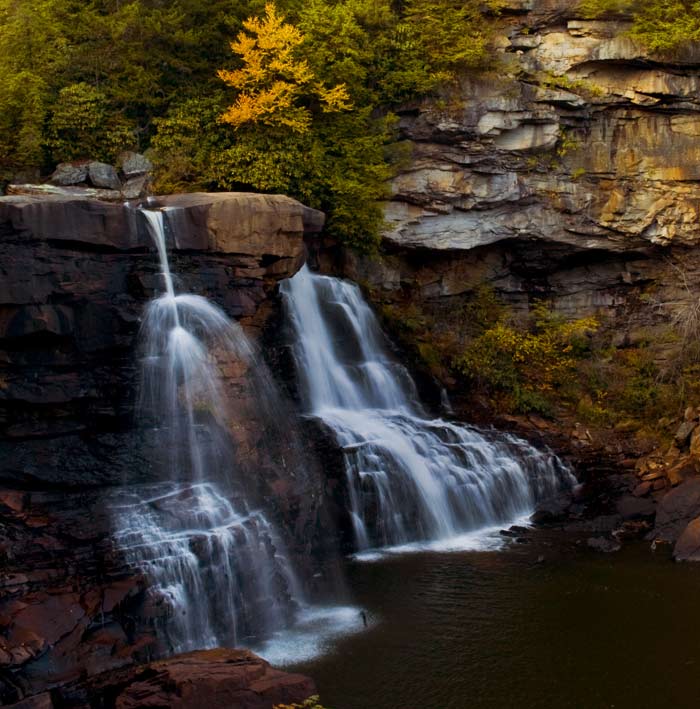
Within a 30-minute drive from out hotel is Blackwater Falls State Park. Strategically placed overlooks provide views of the Blackwater River as it cascades over boulders and plunges 60 feet over Blackwater Falls. Other trails and viewpoints throughout the park provide additional opportunities to capture the fall color in combination with the Blackwater River Valley and surrounding mountains.
DOLLY SODS
Nearby on a high mountain ridge is Dolly Sods Wilderness. Because of its altitude and exposure to harsh weather, this remote area resembles the arctic tundra more than typical West Virginia. Huge lichen-covered boulders are strewn about in a haphazard fashion; low blueberry and cranberry bushes cover the ground; and deformed one-sided trees stand as testament to the harsh winters. Cold weather comes early to the high country and in Oct. leaves of many low growing shrubs turn crimson and glow when back-lit by the late afternoon sunlight. Trails lead to rocky overlooks for interesting lighting, abstract forms, and panoramic views of the surrounding Appalachian Mountains.
SPECIAL NOTES
The group is small so I can give in individual attention to each participant, working with each person at their skill level. Include will be several exercises to accompany the field work. Ample time will be available for questions. The itinerary is flexible and will be adjusted according to the location and availability of subjects, the weather, group interest, and other factors. Hiking will not be strenuous but some trails may be rocky or wet in spots. Any hiking will be slow paced with plenty of time for rest. Anyone may abstain from an activity and select an alternative that is less strenuous. Boots with firm ankle support are recommended. Dress warmly in layers. Participants should bring 5 samples of your work. These will be used during the orientation and as time permits.
TRANSPORTATION: While on site, we will car pool to each location. However, each participant is responsible for their own transportation to and from home. Once registered, contracts, health forms, & additional details will follow.
ACCOMMODATIONS: At Canaan Valley Resort (block of rooms are reserved for the class & included in the price.)
SCHEDULE
Friday, 12 October
7:00-8:30 PM (Orientation Program)
Saturday, 13 October
Sunrise to 10:30 AM (Field – Canaan Valley)
10:30-1:30 PM (Lunch & Critique)
1:30-Sunset PM (Field – Seneca Rocks, Dolly Sods, Canaan Valley)
Sunday, 14 October
Sunrise to 10 AM (Field – Blackwater Falls)
Noon-2:00 PM (Critique & Wrap-up)
Double – $536 Single – $686
by Osprey Photo Workshops & Tours | Apr 28, 2012 | Nature, Photo Tours, Photo Workshops, Wildlife
Wildlife Photography Program at Chincoteague, 12 May, 11 AM.
Covers equipment, techniques of locating, attracting, and approaching wildlife plus tips on lighting, composition, and exposure. Entertaining stories behind images. Photo rich presentation. Free to public. See the following links for more info on the lecture and Assateague island.
http://www.fws.gov/northeast/chinco
http://www.chincoteaguechamber.com
http://www.nps.gov/asis/index.htm
Speaker Irene Hinke – sacilotto.
www.ospreyphoto.com

by Osprey Photo Workshops & Tours | Apr 25, 2012 | Nature, Photo Tours, Photo Workshops
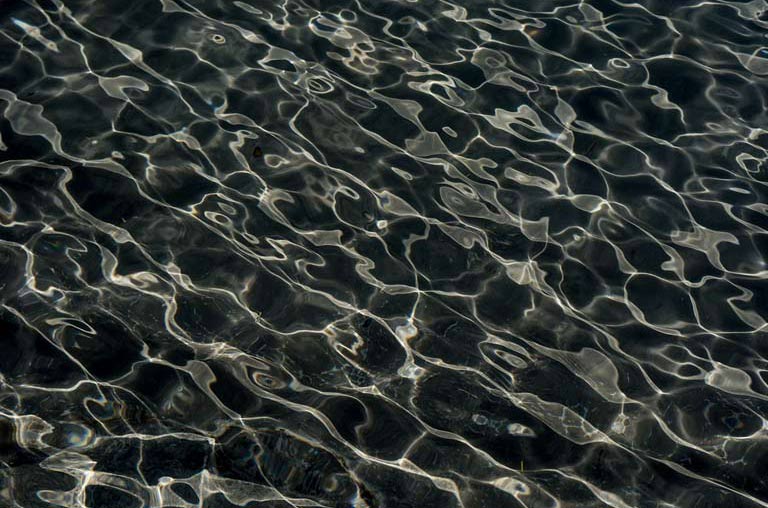
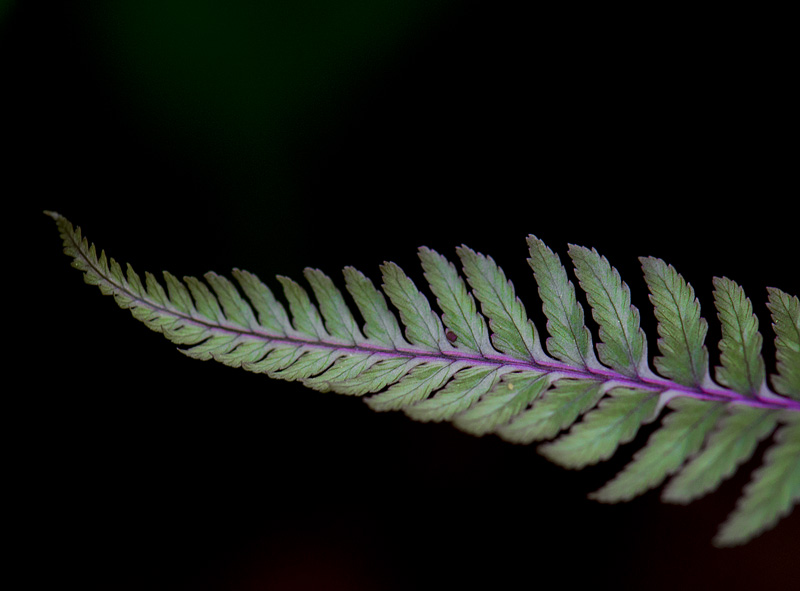
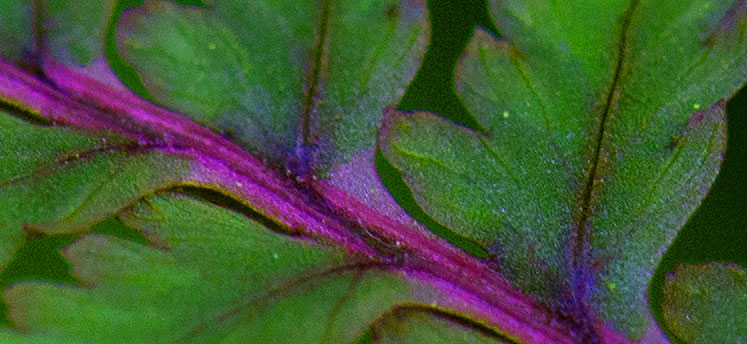
Last Friday I visited Ladew Topiary Gardens just north of Baltimore to prepare for the field trip portion of the Nature Photo class I am teaching at Johns Hopkins University. Because of the warm spring, the tulips, azaleas, and other flowers which should have been at their prime at this time were beginning to fade. At first disappointed, I changed my mind as I saw a number of interesting photo subjects and began to experiment with unusual subjects and abstractions. The tulips petal was shot with a 105 mm Nikon Macro lens at its closest focusing distance. For the fern I hand held the lens so I used 1600 ISO and the ripples were shot at 1000. The iron face was from a chair and its shadow. The results were surprising. See the photos that follow and catch one of the classes I teach in nature photography at Johns Hopkins University and Norfolk Botanical Gardens. Check my web site for details. www.ospreyphoto.com 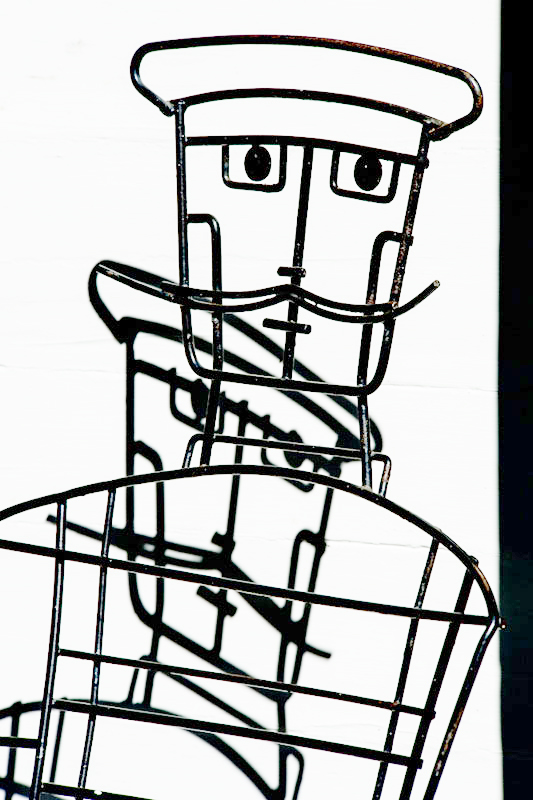


by Osprey Photo Workshops & Tours | Apr 22, 2012 | Uncategorized
Over the past two years my appreciation for D-SLR cameras capable of producing quality images at high ISOs has grown exponentially. My early experience with D-SLR cameras and ISOs of 400 and higher was disappointing. Images contained random specks of color and were grainy in appearance due to high noise levels. Because of the negative results of the past, I have been hesitant even on newer cameras to use high ISOs unless absolutely necessary. With the purchase of my Nikon D4 camera, I have begun to seriously explore the possibilities of using ISOs of 640 and much higher on a somewhat regular basis. For my applications, resulting images have been remarkable. See the photos that follow for examples. (1) The waterfowl shots were taken late in the afternoon as the light was fading. To freeze the splashing action of the ducks, I used ISOs of 640. (2) The interior of this tulip was shot under soft light. Since the magnification was high, light low, and the use of a tripod was difficult due to the camera angle, I shot this image with an ISO of 1200 to capture the needed depth of field and fast shutter speed to assure image sharpness. 3) The jelly fish was photographed under low light inside the Martine Museum in Solomon’s Island, MD at 10000 ISO with the camera hand held. The use of a tripod and flash were impractical due to space constrictions and reflective surfaces. Pleased with these results, I am continuing to explore new applications so see my next blog. See www.ospreyphoto.com for photo workshop details.