by Osprey Photo Workshops & Tours | Aug 14, 2012 | Nature, Photo Tours, Photo Workshops, Travel, Wildlife
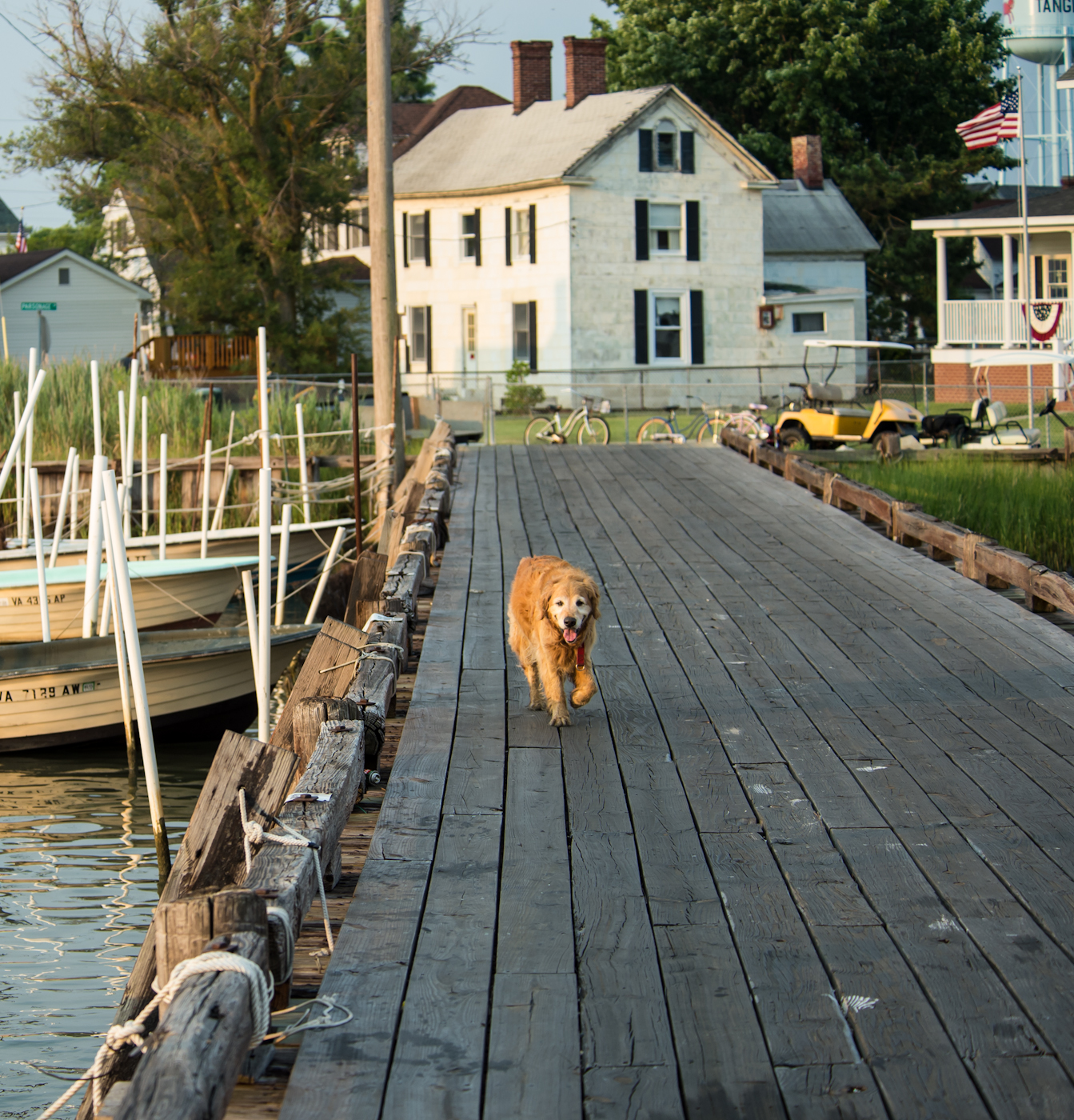
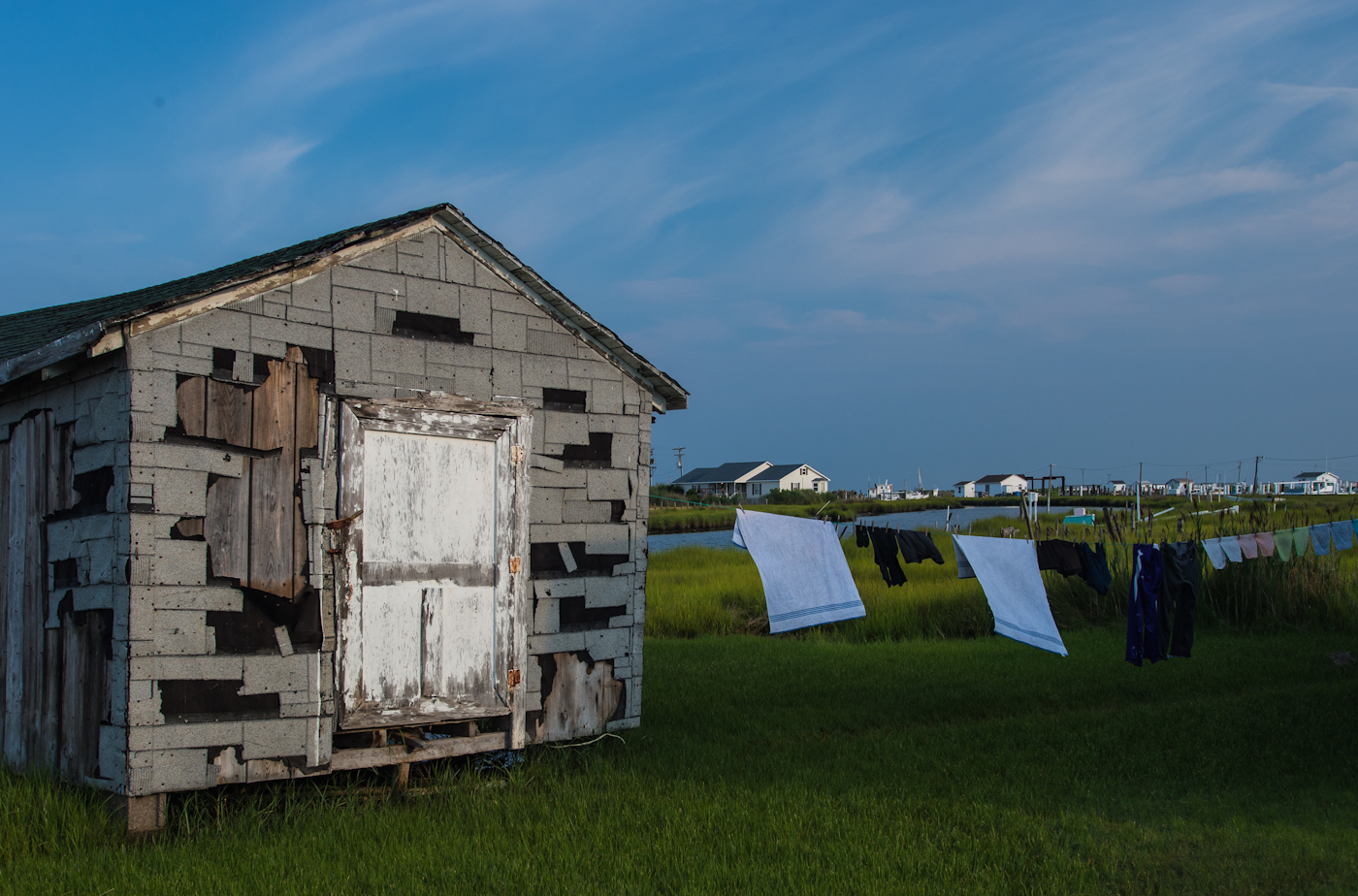
Tangier Island Photo Workshop
8 & 9 Sep 2012
Instructors: Irene Hinke-Sacilotto and Bill Wallen
All inclusive – boat and ground transportation, room, food, digital photography instruction. Round-trip cruise from Crisfield to Tangier Island in the Chesapeake Bay.
Features
– Experienced instructors
– High instructor to student ratio
– Nikon lenses available for borrowing
– Photography ooportunities from both land and water
– Unique setting
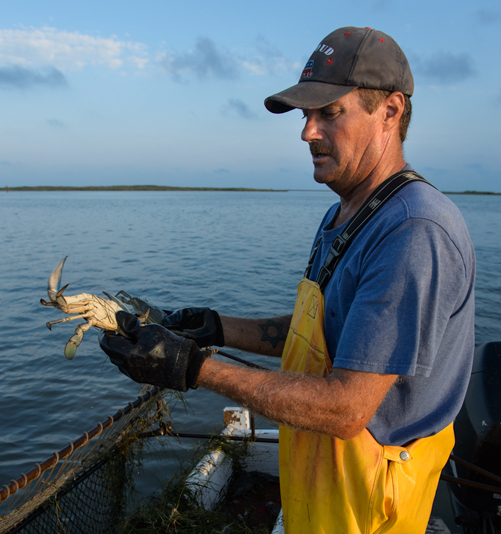
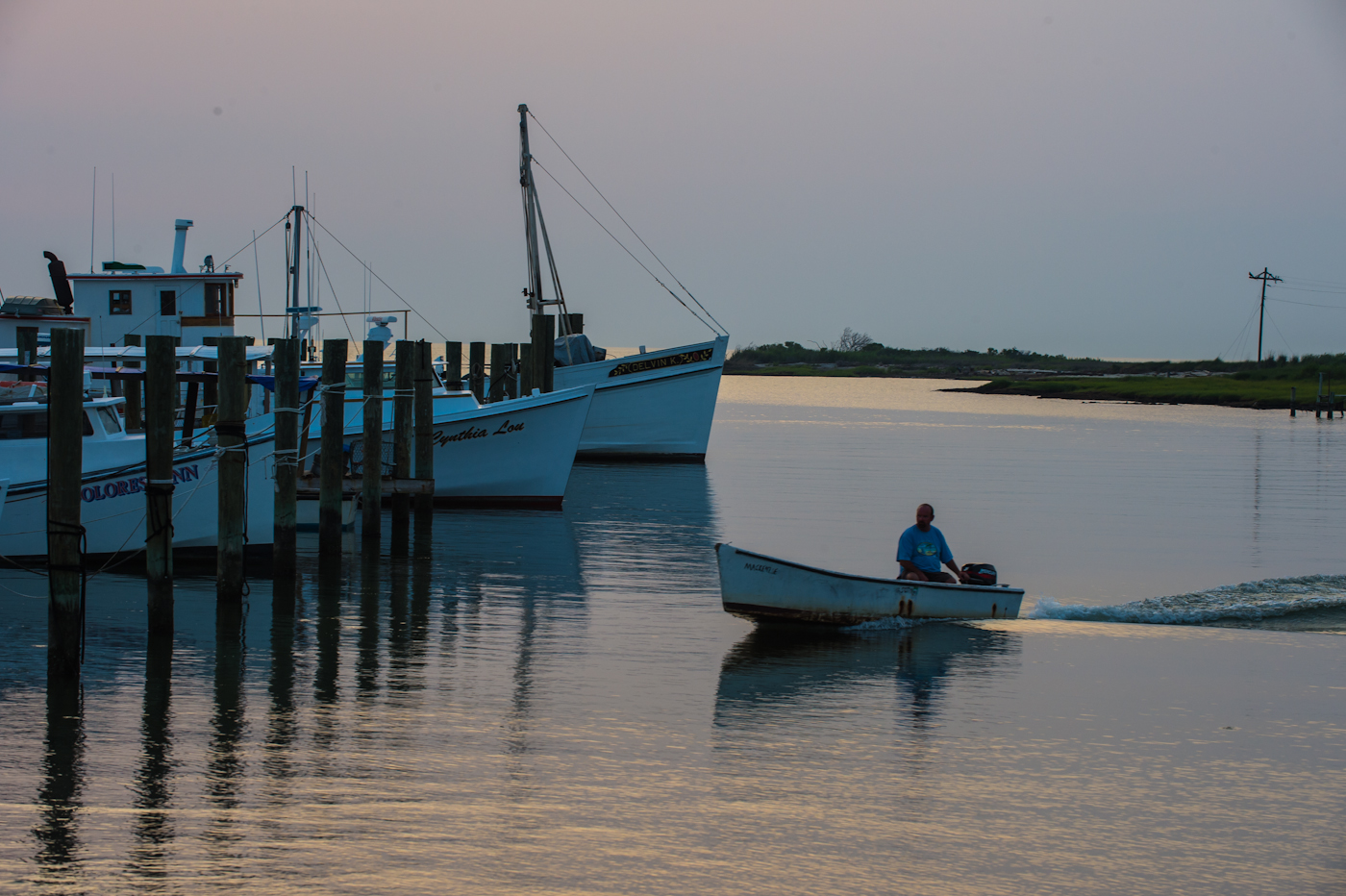
– Potential photo subjects: crab shacks, workboats, small boat harbor, waterman at work, quaint homes and historic buildings, plus osprey, herons, and other wildlife.
– Includes critique of participant images at the end of the workshop
Sponsored by the Ward Museum of Wildfowl Art
$450 Members; $500 Non-members
Registration deadline: Friday, August 24
For more information visit www.wardmuseum.org
To register call 410-742-4988 ext. 110 or email WardEducation@salisbury.edu


by Osprey Photo Workshops & Tours | Feb 23, 2012 | Nature, Photo Workshops, Travel
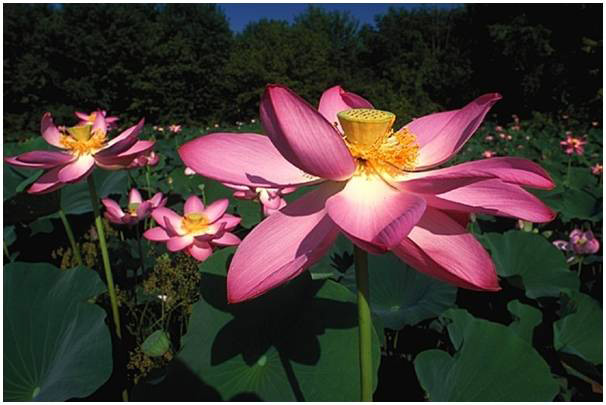
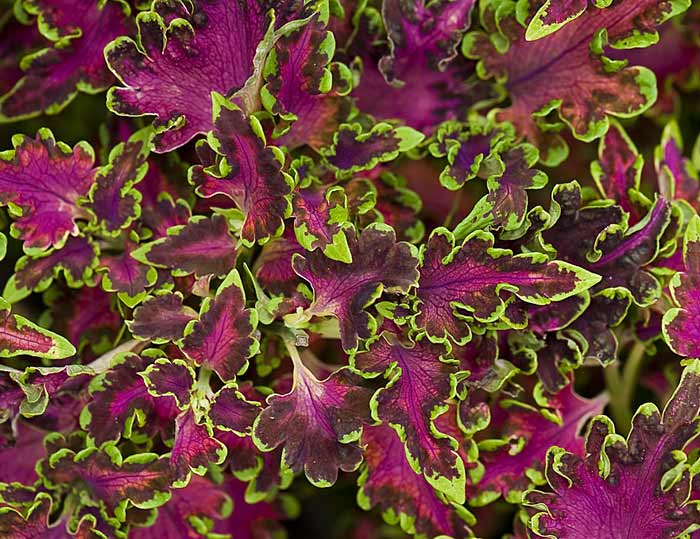

Just one of the tips from the Creative Digital Photography class I am teaching at the Norfolk Botanical Gardens this weekend. See www.ospreyphoto.com for details.
As you move about, always be on the lookout for potential photo subjects. Take note of graphic elements such as lines, shapes, forms, and patterns, plus the direction and quality of lighting no matter whether you are photographing or just driving to the store. This is a way to constantly train our eyes to recognize future photo opportunities.


by Osprey Photo Workshops & Tours | Jan 18, 2012 | Nature, Photo Tours, Travel, Wildlife
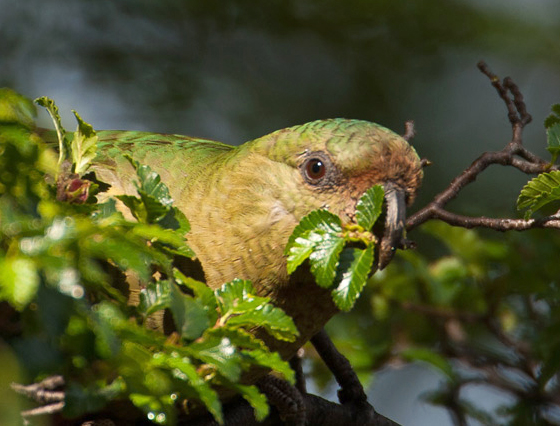

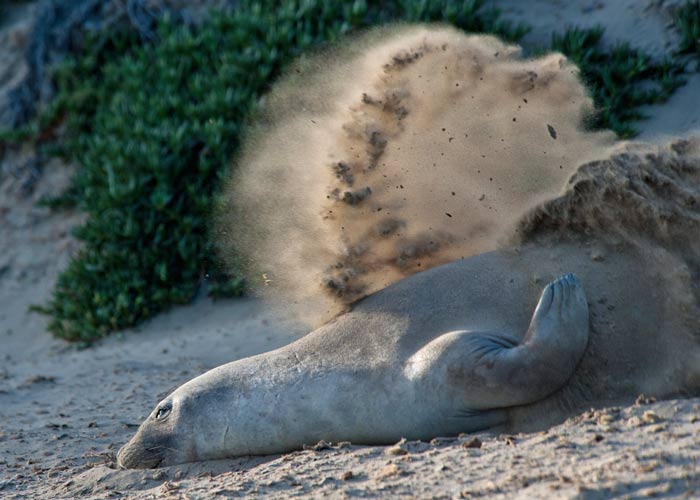
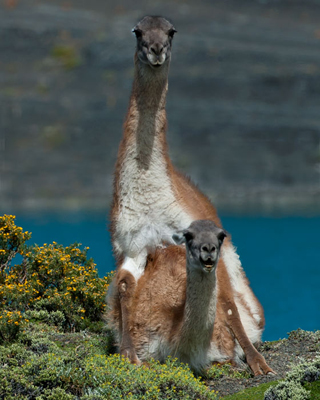
On recent trip to Argentina, to avoid carrying laptop, I took my IPAD2 and 1 HyperDrive Colorspace UMDA and a second HyperDrive iPad2 Hard Drive. I copied by images from my compact flash cards to each HyperDrive (750 G capacity). Therefore I had 2 copies of each image file. The data transfer rate from the compact flash cards to the HyperDrives is very rapid, saving time. In With the HyperDirves I could see small versions of my files to confirm transfer and judge the quality of the images to some degree. . With the HyperDrive made for the IPAD2, I could download select images to the IPAD2 where I could enlarge them and edit them to see their quality. I could then share the images with others or send them via e-mail. I could get my e-mail and connect with the internet with the IPAD2 in locations where there was a WIFYaccess. Therefore a laptop really wasn’t necessary. Nice alternative for handling image data on long trips.HyperDrives – great asset for long trips.

by Osprey Photo Workshops & Tours | Jan 7, 2012 | Nature, Photo Tours, Travel, Wildlife
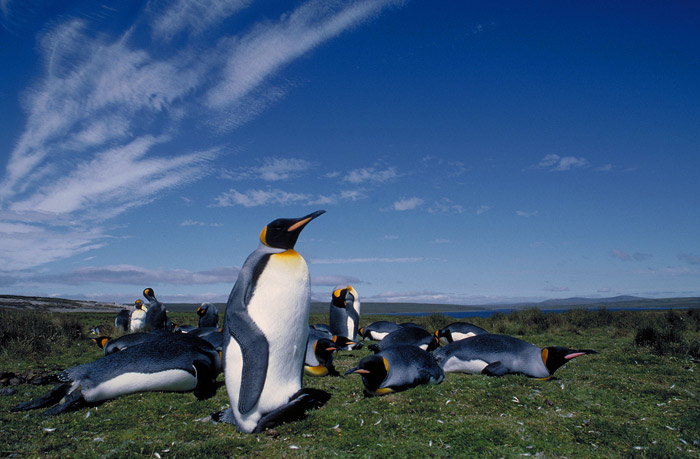
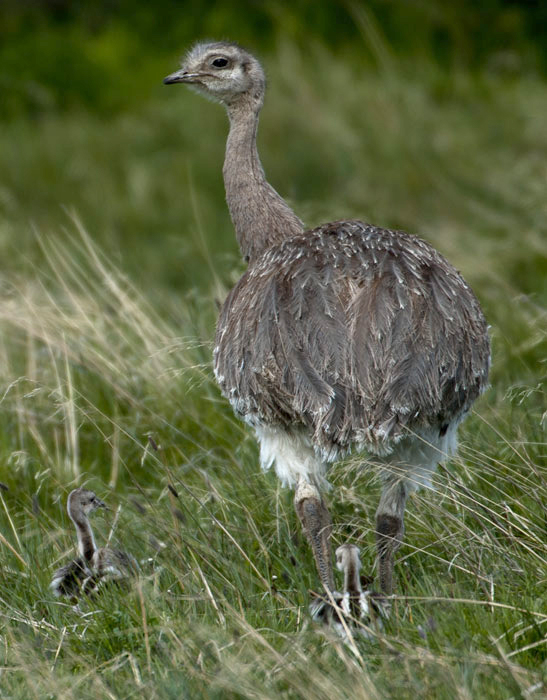
 Looking for a great place for photography, try Argentina & southern Chile. This past December I spent two weeks leading a small photo tour from a tropical rainforest north of Buenos Aires to the dry wind-swept Patagonian steppe and snow-capped Andean mountains. Capturing great wildlife and scenic photographs was our goal as we explored Valdés Peninsula, Los Glaciares National Park (NP), Torres del Paine NP in Chile, and the steamy jungle surrounding Iguazú Falls. Breaching whales, penguins by the thousands, sea lions sunning themselves, iridescent hummingbirds sipping the nectar from tropical flowers, flightless rhea mother leading her family across the road, and male guanacos on hind legs, spitting and fighting for the right to breed. Visit www.ospreyphoto.com for more programs.
Upcoming photo tour – Iceland in late June.


by Osprey Photo Workshops & Tours | Oct 7, 2011 | Nature, Photo Tours, Photo Workshops, Travel


Whereas fast shutter speeds freeze action, slow shutter speeds can imply motion and can transform the image into one that is impressionistic. The shutter speed selected depends on the effect desired and degree of movement. You can achieve interesting effects at settings of 1/60 to several seconds or even longer. Adding a stationary object to the scene can provide a point of reference. Use the playback setting on your camera to judge the results at various shutter speeds. Experiment. A Hoodman Hood Loupe place over your camera’s LCD will block extraneous light so you can better see the image and histogram. (Check out my new schedule of workshops & tours on my web site www.ospreyphoto.com)
by Osprey Photo Workshops & Tours | Sep 29, 2011 | Nature, Photo Tours, Travel, Wildlife
 Composition
Focus attention on your subject. Keep the composition simple. Whereas painting is a positive process of adding things to the frame, photography is a subtractive process, eliminating elements that do not contribute to the overall image.
Move and explore the photo opportunities from different angles & heights. Position the camera to eliminate distractions behind and in front of the subject. But also make sure the subject does not blend into the background and disappear.
To avoid static composition and don’t center the subject unless there is a reason for it. Leave room in frame where the subject is moving or looking. Utilize entire frame, avoiding dead-space.
Consider framing the subject. By partially surrounding it by tree branches, a doorway, or an arch, you can control the viewer’s eye–blocking distractions, filling empty space, and focusing attention on the subject. Lines as created by streams, paths, and railroad tracks can both lead the eye into a frame and establish a sense of depth.