
by Osprey Photo Workshops & Tours | Sep 20, 2015 | Digital Photography, Nature Photography, Uncategorized
Nature Photography highlights from Canadian Rockies

Sunrise view from hotel in Canmore, Alberta, Canada, Canadian Rockies
Arrived in Canadian Rockies 13 Sep. It was in the mid-80s that I was here last. Lots more buses and tourist now. Points accumulated on IHG rewards credit card and previous stays at IHG hotels qualified us for free overnight stays in several locations. IHG rewards club Good way to save money and extend our stay. First nights stayed in Canmore, approximately 20 km from Banff. Quieter town with fewer tourists. Beautiful view of mountains in front of hotel and behind town but warm light striking mountain tops did not last long, 6:45 to 715 PM. Aspen were yellow and were a striking contrast to the evergreens. Wildlife around Banff was limited – black bear inside forest edge & several elk on Banff Golf Course. More critters later. Raining yesterday and today. Hoping for better weather ahead.

by Osprey Photo Workshops & Tours | Aug 19, 2015 | Bird photography

Butterfly
The first time I visited Costa Rica, it was during an alumni bus tour where photography was not the focus. The trip and people were nice, but the country was not high on the list of places I wished to revisit. However recently, I was fortunate to meet some friends who invited me to their home in Costa Rica this August. They took me to a number of locations within a 2 hour drive from their home that were super for photography that changed my opinion of the country’s photographic potential. By the end of my week’s stay, we were discussing the possibilities of my developing a photography workshop locally. The volcanoes and mountains were spectacular, with tall waterfalls, low hinging clouds, huge ferns, gigantic trees, and brightly colored bromeliads, orchids and other flowering plants. The trip was only a week long, so I only saw a small portion of the country but what I saw was impressive.

Coatimundi, Costa Rica, Different coloration compared to those in Brazil an Argentina.
The hummingbirds were my favorite subjects to photograph, so many species and colors. I hoped I could ID them from their photographs but light effects their colors and they alter feather position and change colorization. I know now, I realize need expert help. I had hoped for photos of male quetzals an iridescent green bird with a long elegant tail. We visited an area where they feed and saw them flying at a distance but I will have to wait until my next trip to capture an acceptable image of one. However, during my Costa Rica photo tour I photographed coati, spider and capuchin monkeys, iguanas, crocodiles, red squirrels, a raccoon, a rhinoceros beetle, red crab, parakeets, hummingbirds, tanagers, woodpeckers, and other bird species. Places visited included La Paz, Poas Volcano, Paraiso Quetzal, Hotel Savegre, & Manuel Antonio NP.

Flame-colored Tanager Costa Rica, Sevegre Lodge
Most nights I spent at my friend’s house in Tabaca, overlooking San Jose and its suburbs and a mountain range. The elevation was high and to my surprise temperatures dropped quite low at night requiring a warm jacket. My host’s home was surrounded by a wonderful garden with a small waterfalls, colorful flowers, and hummingbird feeders. The only night away from Tabaca was spent at the lovely Hotel Savegre in the heart of a jungle preserve where Quetzals are found. Outside the guest rooms were beautiful gardens and feeder stations where bananas and other fruit were placed to attract flame-colored tanagers, blue-gray tanagers, rufus-collared sparrows, acorn woodpeckers, and an assortment of hummingbirds.
The downside of the trip was the traffic. Every day there were rush hour traffic jams in the area around San Jose. Double “no passing” lines in the middle of the road seem to have no meaning to locals and motor bikes are plentiful and are constantly darting between cars. Overall, major roads were in good shape except where mud slides required repair. The small towns we encountered were charming with churches dating back hundreds of years. However, driving through them was challenging with frequent turns and few street signs. All things considered, these inconveniences are minor when you consider all Costa Rica has to offer. Keep your eye on my schedule. I suspect I will be adding Costa Rica to my list of photo tours in 2016.

Hummingbird, Costa Rica, Paraiso Quetzal
Tips for shooting in Costa Rica and similar habitats:
Days with soft light were the best for shooting in the jungle. Stronger light produces hot spots in the background and deep shadows that obscured details.
On overcast days when shooting hummingbirds, I used a high ISO, fast flash sync speed, and fill flash set on -1 or -2. The flash brought out the bird’s iridescent colors even on a rainy day.
To freeze the wings, I would like to return with several flashes set on a manual setting (1/32 sec) and 2 or 3 placed near the bird and 1 or 2 on the background. All would need to be in the shade so no ghosting will occur. The flashes would be fired at the same time by a set of Pocket Wizards (radio trips). Ideally you would put out a feeder and train the hummers to come to it. By blocking several holes you can control the hummers approach and increase you chances of success. You can go further and replace the feeder with a flower baited with sugar water.
Flash with a “better beamer” attached to extend the flash power can be used to throw light onto subjects in the shade of the canopy.
Cameras with small built-in flashes often proved satisfactory if used in a jungle setting but close to the subject.
With flash exposure, if a subject is moving and there is enough sunlight hitting the subject to produce a daylight exposure (can happen at high ISOs or large lens openings), you may get ghosting (an overlap of a sharp flash image and blurred daylight image.) If the subject is still and you use daylight as the primary source of light and the flash as fill (-2), ghosting may not be a problem.

Spider Monkey
Bring a ponchos or other covering for you and your camera equipment for sudden rain showers.
80-400 best or similar best for hummers – they are not very timid if you move slowly. If you use a longer focal length, it is a bit difficult to capture the birds in flight due to the narrower angle of view. The zoom feature will make it possible to zoom out and catch interaction. Tried several techniques to capture the birds after they sip at the feeder. Pre-focus where I thought they would be when they pull back. Auto focus on very edge of feeder and they catch the bird when it backs away from the feeder.
Adding the 1.4 tele-converter was not a good idea. The hummers move rapidly and the tele-converter slows the auto focus
With birds in bushes, I found manual focusing preferable to auto. Auto resulted with the focus often being on the plant and not the subject
If you want to close focus on a small subject, you can focus closer using manual focus.
600 mm lens was good for birds near a feeder in a bush but not necessarily for hummers. The narrow angle of view made it a bit difficult to find them in the viewfinder.

Host’s Garden

by Osprey Photo Workshops & Tours | Jul 28, 2015 | Bird photography, Nature Photography, Photo instruction, Photo Workshops, Tangier Island

Photo taken at Bosque del Apache in NM from rental vehicle
I often photograph animals from vehicles, which serve as mobile photo blinds with a telephoto lens supported on its foot by a beanbag resting on the window sill. In wildlife refuges and places where animals are protected and are used to seeing vehicles, you and your vehicle are not perceived as a threat. When photographing, if your subject moves, you can move with it and slowly close the distance between you and it. My bean bags are homemade and are filled with rice. When I travel by air, the bags can be emptied by opening the Velcro closure and refilled once I reach my new destination. The material used allows the lens position to be easily altered. I have several sizes suitable for different lenses. They can be stacked to raise the lenses to the height needed or they can brace a lens solidly in place in an awkward situation. I can also use the beanbag to support a long lens when shooting from ground.

10 to 12 pounds of rice. Len foot place

Shot from beanbag placed on ground to shoot at eye level.

This Eastern Cottontail was photographed from my vehicle on Assateague Island where I conduct photo workshops each year.
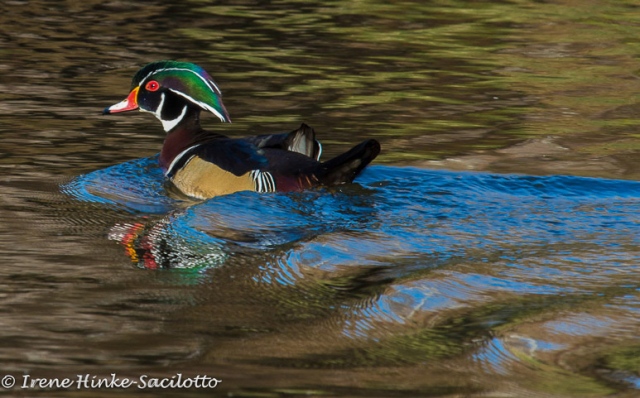
Shot at entrance to Mattamuskeet National Wildlife Refuge in NC from vehicle.

I was on the wrong side of the car to use the window for shooting. I slipped out of the passenger seat and placed the bean bag on hood of car and the lens on top;
On Tangier Island, I found them useful to secure my tripod in place while photographing from one of the golf carts, which are the main means of transportation on the island. With my setup, I was able to photograph from the driver’s seat of the vehicle or slip out of the cart and shoot from other angles where I am minimally visible. Since the animals are used to seeing the carts and they are relatively quiet, they often do flee when I approach. The heron with the turtle in its bill was shot from my golf cart. It took 15 minutes and several drinks of water before the bird finally swallowed it. The night heron was also photographed in a similar fashion. (Later article will provide tips for using stationary blinds.)

Braced tripod in place in a golf cart to support my 600 mm lens. Animals were more cooperative than if I was on foot

Heron used water to help swallow the turtle.

Night Heron with crab. Walking into a marsh can be dangerous. Mud can suck off your shoes, you can fall, and may have difficulty finding firm ground. In many areas tidal guts criss-cross the marsh and make it difficult to navigate. On the coast changing tides can complicate the problem.

by Osprey Photo Workshops & Tours | Jul 8, 2015 | Wildlife Photography
Safety/ethics
– Don’t corner an animal or block its path.

Watched me for a moment and even approach me closer but decided I was not threat and resumed eating. Good sign that you are not stressing an animal.
– With animals, be aware of signs of agitation or aggression: scrapping ground with hoof, thrashing grass or bushes with antlers, strong stare, ears back, showing whites of the eyes, bluff charge, growl, bearing teeth, etc. If approached by a predator, don’t run and appear as prey. Make your self appear large and slowly retreat.

Saw when returning to car from hike. I paused of a second and she did a bluff charge. I immediately returned to my car. Grabbed by long lens and got photos from the car.
– Just because an animal is in a national park or refuge, don’t assume it is not dangerous.
– Animals with young are the most dangerous.

Guanaco. If they run at you with their head down, you are definitely in danger. They will spit, kick, and “chest but’.
– Be careful not to slip and fall on wet grass, leaves, seaweed, moss or muddy surfaces.
– Be careful crossing muddy surfaces. You can slip, fall, or worse yet, get stuck in the soft mud. Some muds are like quick sand.

On slippery seaweed. Difficult to cross rocks without falling.
– Take care near cliff ledges. The support beneath them can be undermined and the ledge may break away.

Red-legged cormorants on cliff in Argentina. Much prettier than ours. Laid on belly on a secure part of the cliff to get shot.
– Be aware of the incoming tide and rising surf. You may become stranded.
– When hiking, be careful of tripping hazards: rocks, branches, roots, etc. Wear boots with good ankle support and gripping soles.
– When walking avoid stepping into hidden holes – groundhog, badger, penguin, fox, moss-covered spaces between rocks, etc.
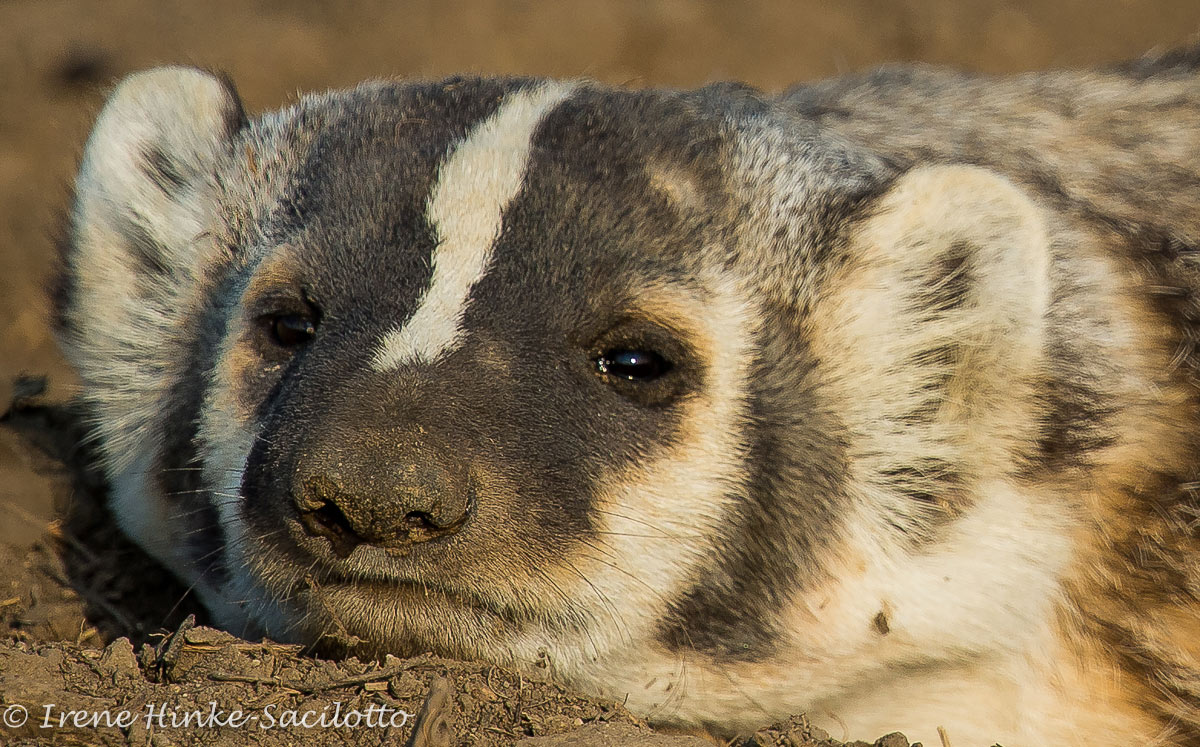
Could have been very aggressive but was not as long as i moved slowly and did not corner him. Seems comfortable with easy access to its burrow..
– When navigating through marsh, be aware that high grasses, soft mud, and changing water level may make navigation confusing and make it difficult to return to your origin.
– Let someone reliable know where you are going and when you plan to return.
– Don’t feed wild animals. It can result in their expecting food or bitting or kicking you. People food will make animals ill.
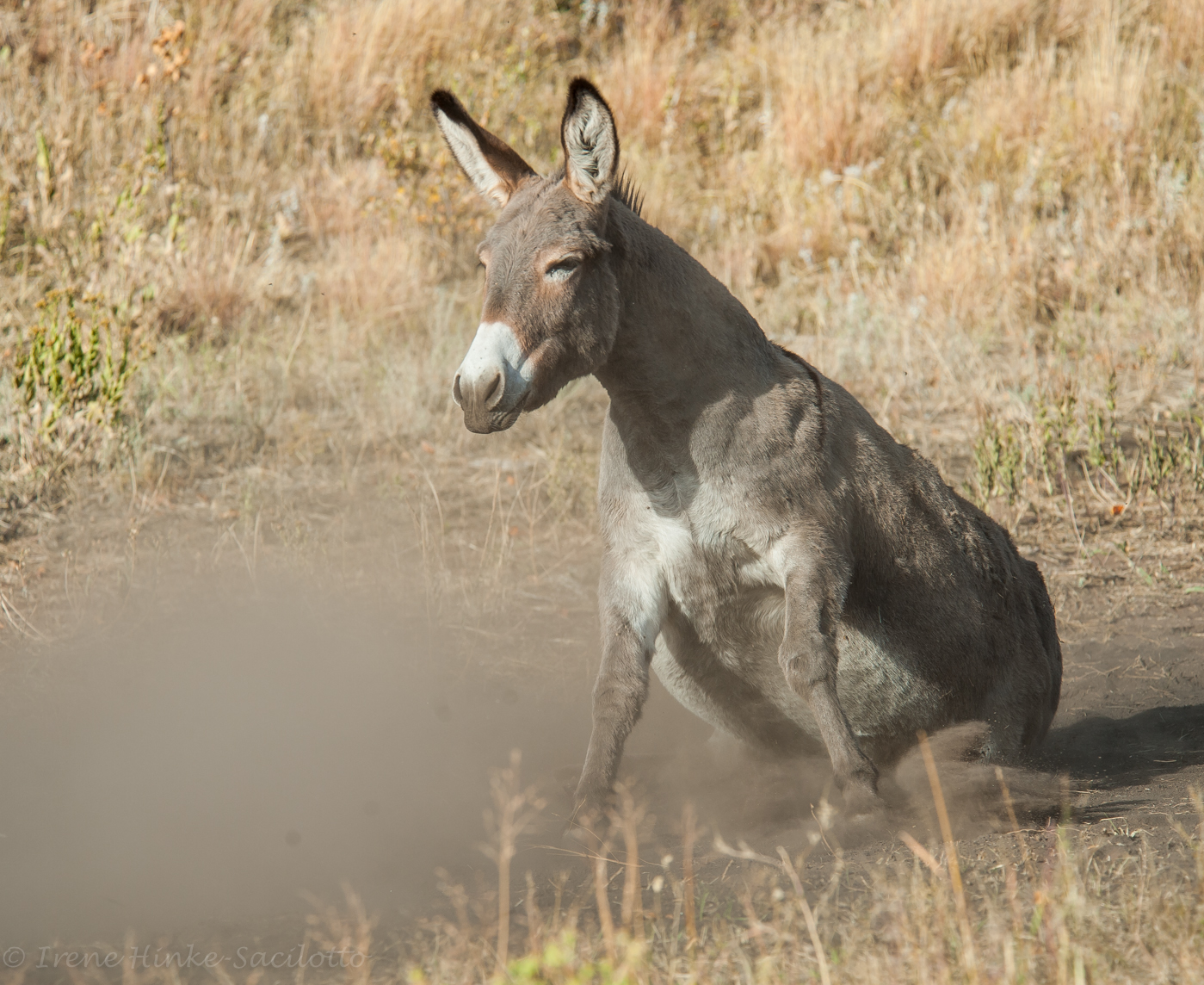
Wild Burrow in Custer State Park, SD. People had fed the burrows in the past and one expecting I had food gave me a surprise nudge from behind.
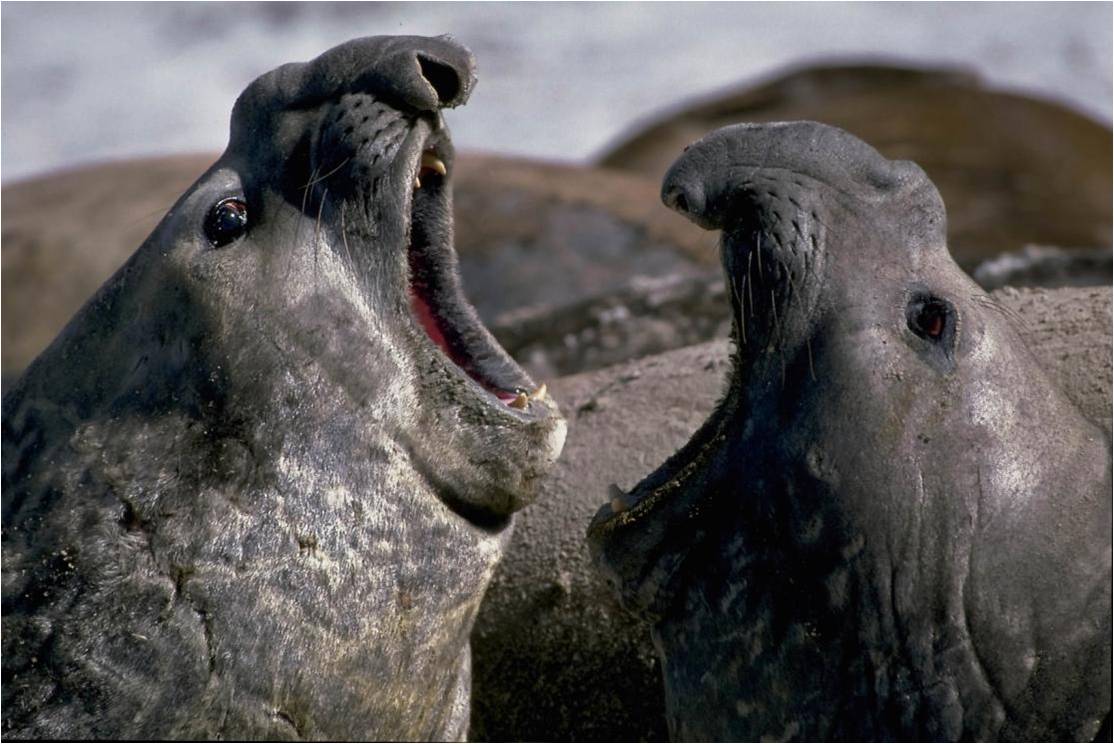
Fighting elephant seals. Stay clear of them for they weight a lot and can deliver a very dangerous bite not only from their teeth but the bacteria that dwell in their mouths.
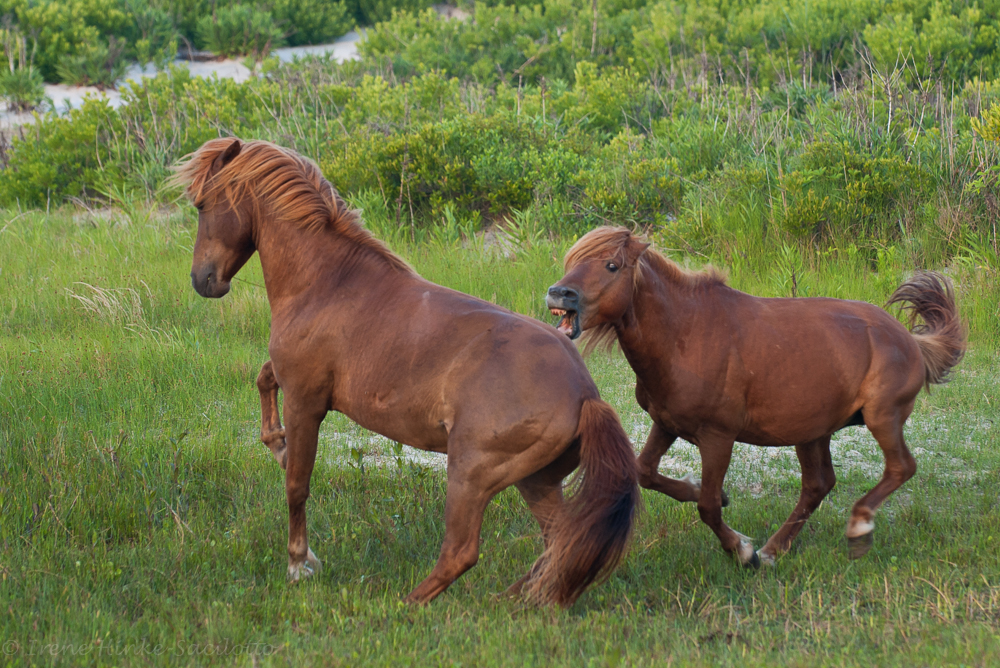
Wild Horses Fighting & Biting – Just because they are on a National Seashore and wander past people in the parking lots, they will bite or kick if approached too closely.
– Be careful where you put your hands when moving logs or reaching under something where poisonous spiders, snakes, etc. might be hiding. Consider wearing heavy gloves.
– Look before lying on the ground – fire ants, etc.
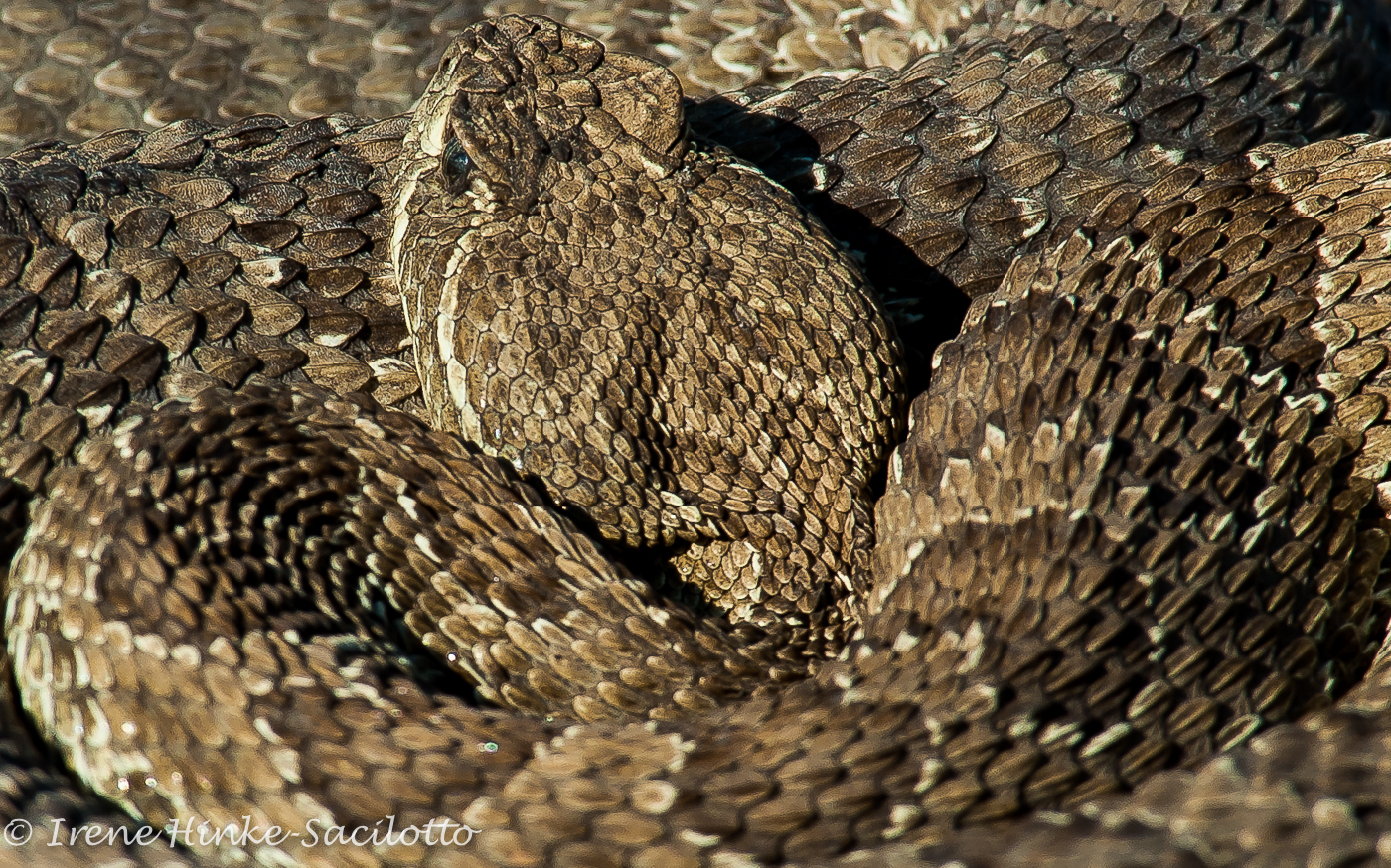
Prairie Rattle Snake. Not very aggressive but still will strike if it feels threatened.
– Don’t leave equipment unattended even in parks. Be alert around strangers.
– When traveling overseas, visit your local travel clinic for the most recent info on health concerns, vaccinations, etc.
– Avoid insect bites. Tics and mosquitos can carry serious diseases. Spray clothes with permethrin and consider using insect repellent such as those containing 30 % Deet. Net jackets and hats can be helpful in areas where mosquitos are present in high numbers.

Night Heron with crab. Walking into a marsh can be dangerous. Mud can suck off your shoes, you can fall, and may have difficulty finding firm ground. In many areas tidal guts criss-cross the marsh and make it difficult to navigate. On the coast changing tides can complicate the problem.
– Bats carry rabies so if scratched or bitten seek medical help immediately. Without the proper shots, it can kill.
– Use sunscreen and SPF 50 rated clothing for protection from the sun and to reduce the chances of skin cancer.
– Wear a hat to shade your face from the sun.
– For emergencies, carry a whistle, cell phone, or personal locator such as a handheld satellite communicator. Depending on the model, some locators can send and receive text, track your location, and send out SOS in case of emergency. They vary in power, coverage, and application with some primarily for emergencies. Check out www.delorme.com or www.outdoorgearlab.com. The later web site helps you decide what type of device is the best for your application.

Samples of personal Locator Beacons
– Be considerate of other photographers.
– Avoid damaging habitat.
– Don’t stress an animal or put it in danger.
– Only enter private property with permission.


