A Passion for Wildlife, the Stories Behind the Images

Road Runner

Road Runner
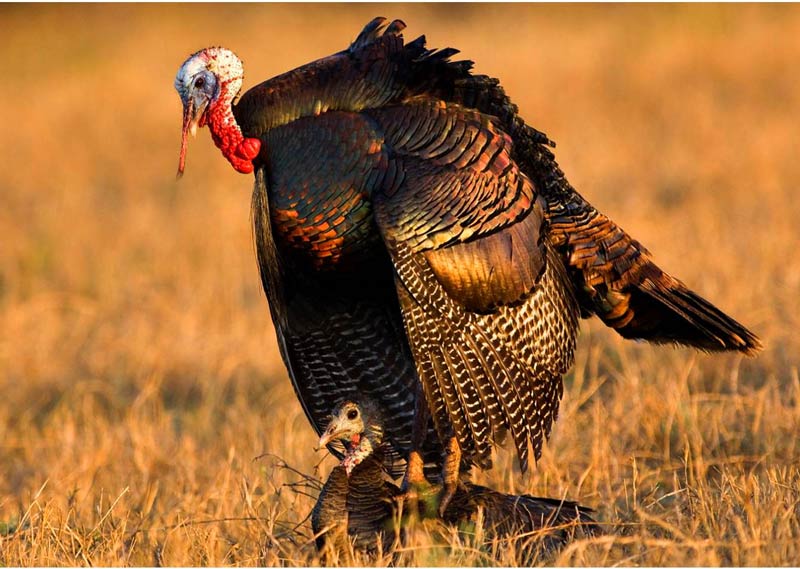
2 June, 2012 (11:00-12:30), Assateague Island National Seashore Visitor Center.
This program is based on my 30 years of experience photographing birds and other animals. It covers the considerations, strategies, techniques, and equipment required to produce high quality wildlife images. Topics of discussion include composition; lighting; safety in the field; ethics; and tips for locating, attracting, and approaching wildlife. I include several entertaining stories behind the creation of some of my favorite images. (Program Free to the Public) http://www.nps.gov/asis/index.html https://www.ospreyphoto.com
Wildlife Photography Program at Chincoteague, 12 May, 11 AM.
Covers equipment, techniques of locating, attracting, and approaching wildlife plus tips on lighting, composition, and exposure. Entertaining stories behind images. Photo rich presentation. Free to public. See the following links for more info on the lecture and Assateague island.
http://www.fws.gov/northeast/chinco
http://www.chincoteaguechamber.com
http://www.nps.gov/asis/index.htm
Speaker Irene Hinke – sacilotto.
www.ospreyphoto.com
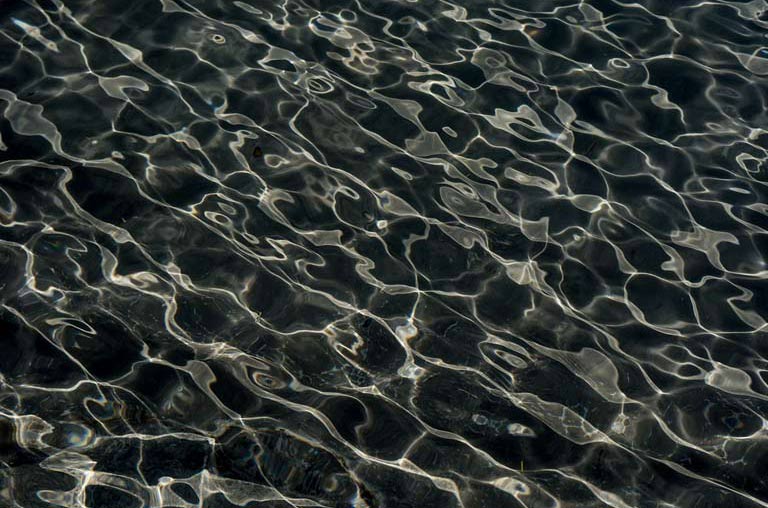
Last Friday I visited Ladew Topiary Gardens just north of Baltimore to prepare for the field trip portion of the Nature Photo class I am teaching at Johns Hopkins University. Because of the warm spring, the tulips, azaleas, and other flowers which should have been at their prime at this time were beginning to fade. At first disappointed, I changed my mind as I saw a number of interesting photo subjects and began to experiment with unusual subjects and abstractions. The tulips petal was shot with a 105 mm Nikon Macro lens at its closest focusing distance. For the fern I hand held the lens so I used 1600 ISO and the ripples were shot at 1000. The iron face was from a chair and its shadow. The results were surprising. See the photos that follow and catch one of the classes I teach in nature photography at Johns Hopkins University and Norfolk Botanical Gardens. Check my web site for details. www.ospreyphoto.com 



Over the past two years my appreciation for D-SLR cameras capable of producing quality images at high ISOs has grown exponentially. My early experience with D-SLR cameras and ISOs of 400 and higher was disappointing. Images contained random specks of color and were grainy in appearance due to high noise levels. Because of the negative results of the past, I have been hesitant even on newer cameras to use high ISOs unless absolutely necessary. With the purchase of my Nikon D4 camera, I have begun to seriously explore the possibilities of using ISOs of 640 and much higher on a somewhat regular basis. For my applications, resulting images have been remarkable. See the photos that follow for examples. (1) The waterfowl shots were taken late in the afternoon as the light was fading. To freeze the splashing action of the ducks, I used ISOs of 640. (2) The interior of this tulip was shot under soft light. Since the magnification was high, light low, and the use of a tripod was difficult due to the camera angle, I shot this image with an ISO of 1200 to capture the needed depth of field and fast shutter speed to assure image sharpness. 3) The jelly fish was photographed under low light inside the Martine Museum in Solomon’s Island, MD at 10000 ISO with the camera hand held. The use of a tripod and flash were impractical due to space constrictions and reflective surfaces. Pleased with these results, I am continuing to explore new applications so see my next blog. See www.ospreyphoto.com for photo workshop details.

