
Upcoming Photo Workshops

I am a pioneer in the field of photo workshops and tours, offering programs since 1979. Each is carefully crafted and well planned. By limiting the number of participants per program (primarily 3-8), I am able to offer personalized instruction.
Workshops are short and last from 1 to 3 days, often offered over a weekend. Photo sessions in the field are followed by image editing and critiques. My preparation for each workshop includes scouting out the photo opportunities at each location.
Photo Tours on the other hand, last from one to three weeks. They are custom designed and cover multiple locations. Sites are chosen for their natural beauty and relatively accessible wildlife. These can include wildlife refuges, eco-friendly ranches, private wildlife sanctuaries, and state and national parks. As per weekend programs, each location is carefully scouted. For international programs, an English speaking local guide accompanies the group. Past tours have included South Florida, South Dakota, NWT, Bryce/Zion/Arces Yellowstone NP, Glacier NP, Iceland, Argentina, Chile, Newfoundland, and the Falkland Islands.
Nature photography is the focus of the majority of programs with attention paid to composition, lighting, exposure, perspective, creativity, and attracting, locating, and photographing wildlife.
CLICK HERE TO REGISTER

Outer Banks Photo Workshop 2026

Outer Banks North Carolina Fall 2026
Photo Workshop
with Irene Hinke-Sacilotto
3 Dec – 6 Dec 2026
Price $1075
This Outer Banks Photo Workshop offers a variety of photographic opportunities —lighthouses, miles of pristine beaches, sand dunes, small boat harbors, historic sites, fishing piers, wildlife reserves, and parks. Over the ocean, along the shoreline, and in the marshes, waterways, and forests, we will look for photographic subjects including pelicans, herons, shorebirds, warblers, pelagic seabirds, dolphins, deer, fox,and other wildlife. Locations to be visited include Bodie and Currituck Beach Lighthouses, Roanoke Marshes Lighthouse, Avalon & Jeanette’s Pier, Duck boardwalk overlooking Currituck Sound, Wanchese Harbor, Pea Island National Wildlife Refuge, and Hatteras National Seashore. On the Outer Banks, sunrises are often spectacular. The image below is of Avalon Pier as the sun is rising. Jennette’s Pier (1000 foot-long pier in Nags Head) also offers wonderful opportunities for photography where we hope to capture images of flying pelicans, pelagic birds, propose, surfers, and fisherman.

Avalon Peer at sunrise on the Outer Banks of NC

Brown Pelican flying in formation over the ocean.
On 4 Dec there will be an orientation meeting at 7 pm, EST at the hotel where participants introduce themselves and share their goals for the workshop. I will discuss logistics, safety, the tentative schedule, potential subjects and locations, and photo tips. Each day will begin at dawn for sunrise photography and will end the day at sunset except on 7 December when the program will end at eleven. Three night’s accommodations at the John Yancey Inn are included in the workshop price.
Note: As usual with my workshops, I will arrive several days prior to the group to access current local conditions and to scout the best locations for photography. The exact locations and times may vary according to weather, safety considerations, current road conditions, and desires of the group.
I do not photograph during the workshop so my attention can be focused on each participant.

Jennette’s Pier Outer Banks North Carolina.
The Changing Face of Barrier Islands
The Outer Banks consists of a narrow string of barrier islands running parallel to the North Carolina coast for 150 miles from the Virginia border to Shackleford Banks in the south. A network of bridges and ferries join the islands together making it easy to travel from one to the next. The Outer Banks are separated from the mainland by bays and inlets, with Pamlico Sound being the largest (30 miles across at its widest). Like all barrier islands, those of the Outer Banks are in a constant state of flux being reshaped by the wind, waves, tides, & storms. Today’s shallow coves fill with sand and become the marshes of tomorrow. The most dramatic changes in appearance are caused by fierce coastal storms like the winter “nor’easters” and hurricanes. When these storms coincide with seasonal high tides, the results can be disastrous, creating new inlets, washing out sections of the main highway running the length of the Outer Banks (Route 12) and tumbling beach-front homes into the sea. Our exact itinerary can be influenced by weather and changes in road access.

Wave with spray on windy day.
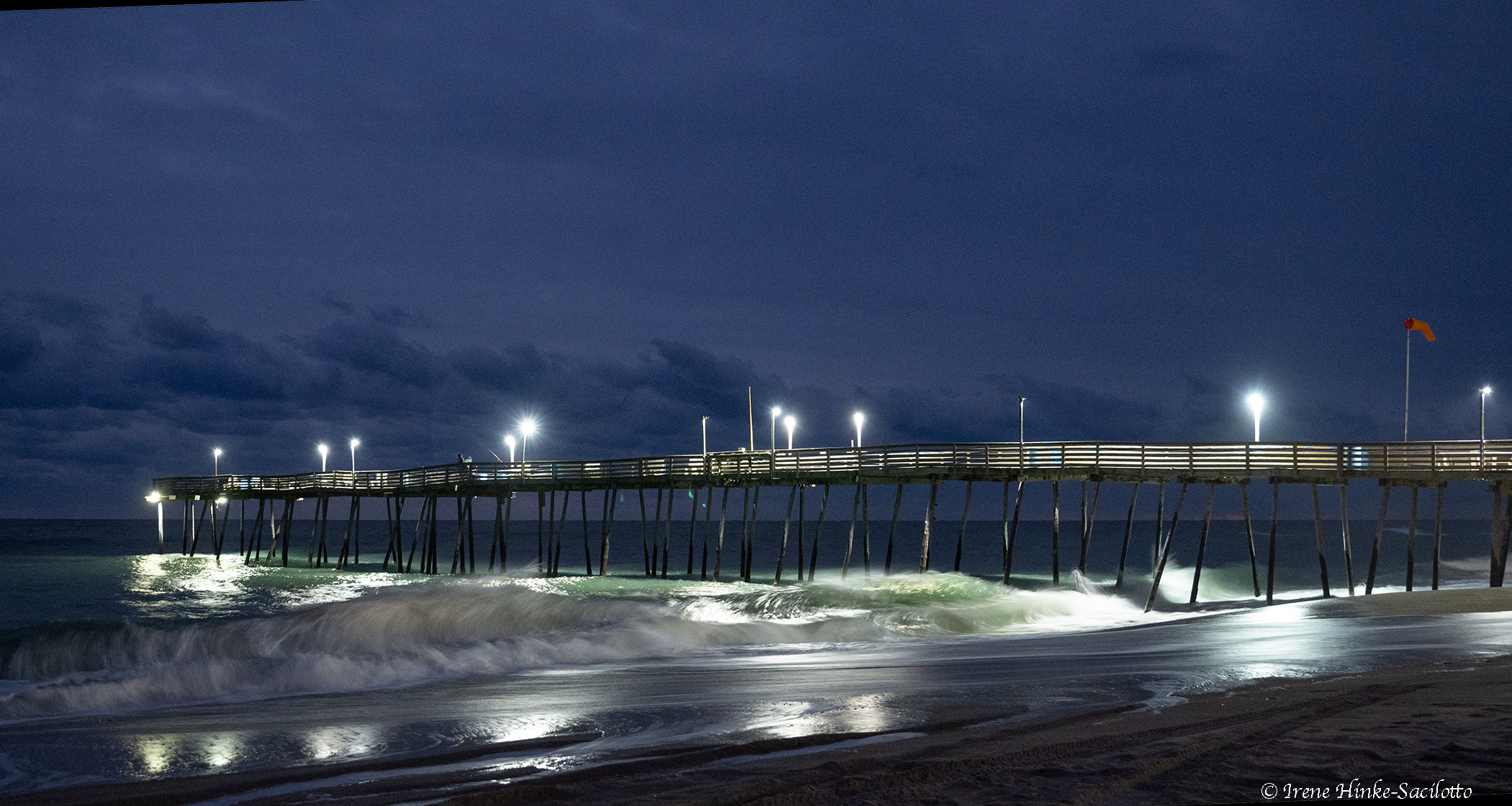
Avalon Pier with waves pre-dawn.
Cape Hatteras National Seashore
For thousands of years, North Carolina’s Outer Banks have survived onslaughts of wind and sea. This thin, broken strand of islands curves out into the Atlantic Ocean and back again sheltering North Carolina’s mainland and offshore sounds. Cape Hatteras National Seashore protects long stretches of beach, sand dunes, marshes, and woodlands that are part of three barrier islands– Bodie Island, Hatteras Island, and Ocracoke Island. It extends more than 70 miles south of the island of Nags Head.
It and other undeveloped beaches, offer wonderful opportunities for photography–colorful sunrise, waves, shells, patterns in the sand, dunes, driftwood, beach vegetation, and local wildlife. Because of strong currents and turbulence off shore, food is abundant, supporting not only large populations of seabirds, but dolphins, whales and other marine mammals. Those with longer lenses may be able to capture images of the sanderlings or other small shorebirds as they chase receding waves to feed on crabs and other tiny organisms exposed in the wet sand. If lucky, you may have opportunities to photograph Brown Pelicans flying in formation, gliding just inches above the water’s surface, or plunging head first into the ocean.
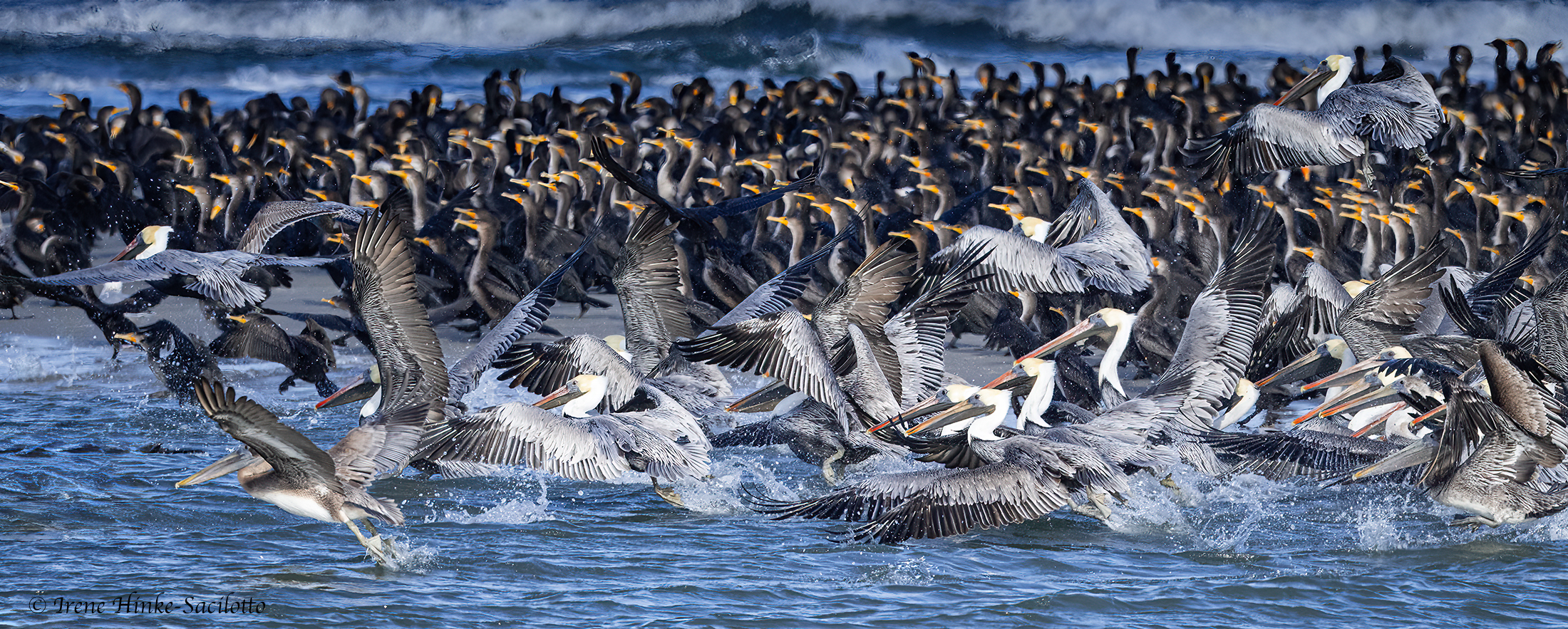
Cormorants and Brown Pelicans taking off from sandbar on Hatteras Island NC
Oregon Inlet
Oregon Inlet connects the Atlantic Ocean with Pamlico Sound. For years, the Bonner Bridge, was the longest bridge on the Rt. 12 providing vehicle access to the southern part of the Outer Banks. Due to shifting sand, strong currents, and instability, the Bonner Bridge was recently replaced. The 2.8-mile Marc Basnight Bridge crosses the Oregon Inlet and now connects the northern and southern parts of the Outer Banks. The southern portion of the old Bonner bridge was turned into a 1046-foot long fishing pier. The Pier opened on Oct. 1, 2021 with cooperation between the National Park Service, Fish and Wildlife Service, and the North Carolina Department of Transportation. Since the Inlet is rich with marine life due to mixing of salt water with fresh, it attracts fish, birds and fisherman. If conditions are favorable, from the bridge we will try to photograph pelicans, cormorants, and pelagic sea bird attracted to the abundant supply of food.
Near the entrance to the pier is a historic US Coast Guard station, (formerly a Lifesaving station) that has photo potential. Near to the ocean & inlet, it sits in the midst of beautiful patterned sand dunes sculpted by the wind.
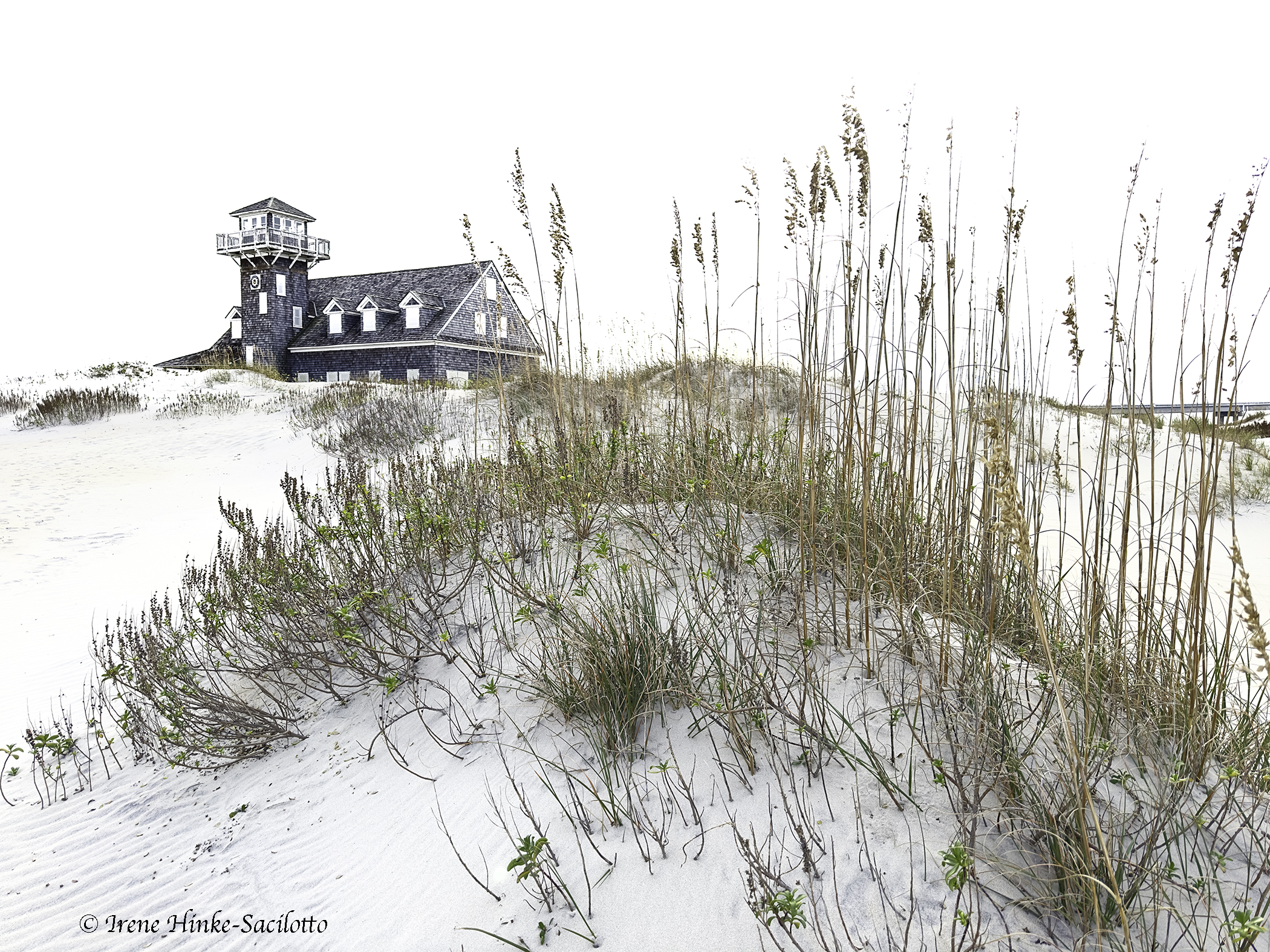
Abandoned historic Life Saving station. on th Outer Banks.
Bodie Island Lighthouse
The Bodie Island Lighthouse was erected to mark the entrance to Oregon Inlet and is still operating today. It is located at the north end of Cape Hatteras National Seashore, just south of Nags Head and 4 miles before the inlet. Todays lighthouse was built 1872 after the original one on the opposite bank of the inlet was destroyed in the Civil War. It was renovated in recent years. It stands 150 feet tall and has a keepers quarters is adjacent to it. It is tucked away between tall pine trees and freshwater marshland. Deer are not an uncommon sight on the main entrance road to the parking area. There are several nature trails nearby including a .4 mile long boardwalk leading to a viewing platform overlooking a pond and marshland frequented by wading birds and others species.
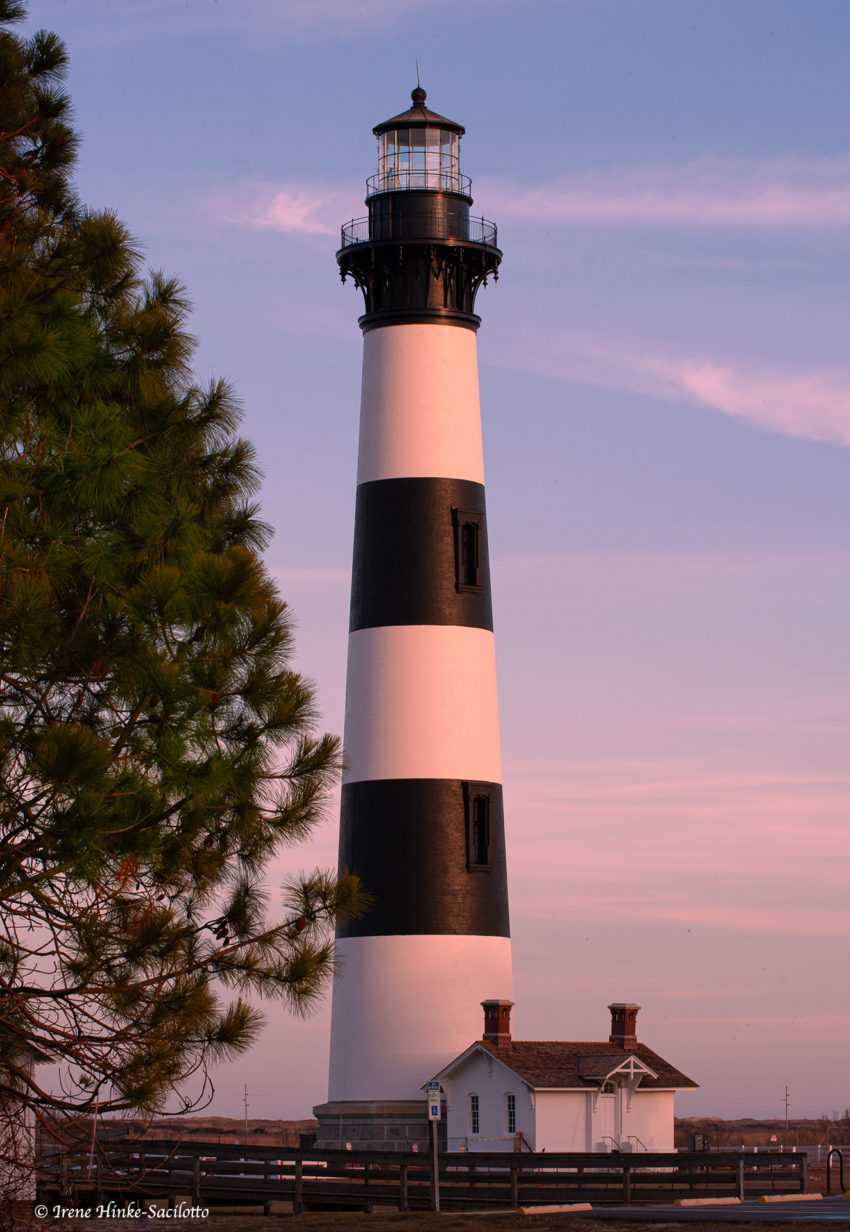
Bodie Island Lighthouse Outer Banks, NC at sundown
Duck Boardwalk and Currituck Sound
The community of Duck on the northern end of the Outer Banks constructed an elevated boardwalk that is nearly a mile in length and is adjacent to Currituck Sound. Herons, waterfowl, turtles, and other species often can be photographed from the various points along the walkway. It is the perfect place to capture incredible sunsets with swans or cypress trees in the foreground.
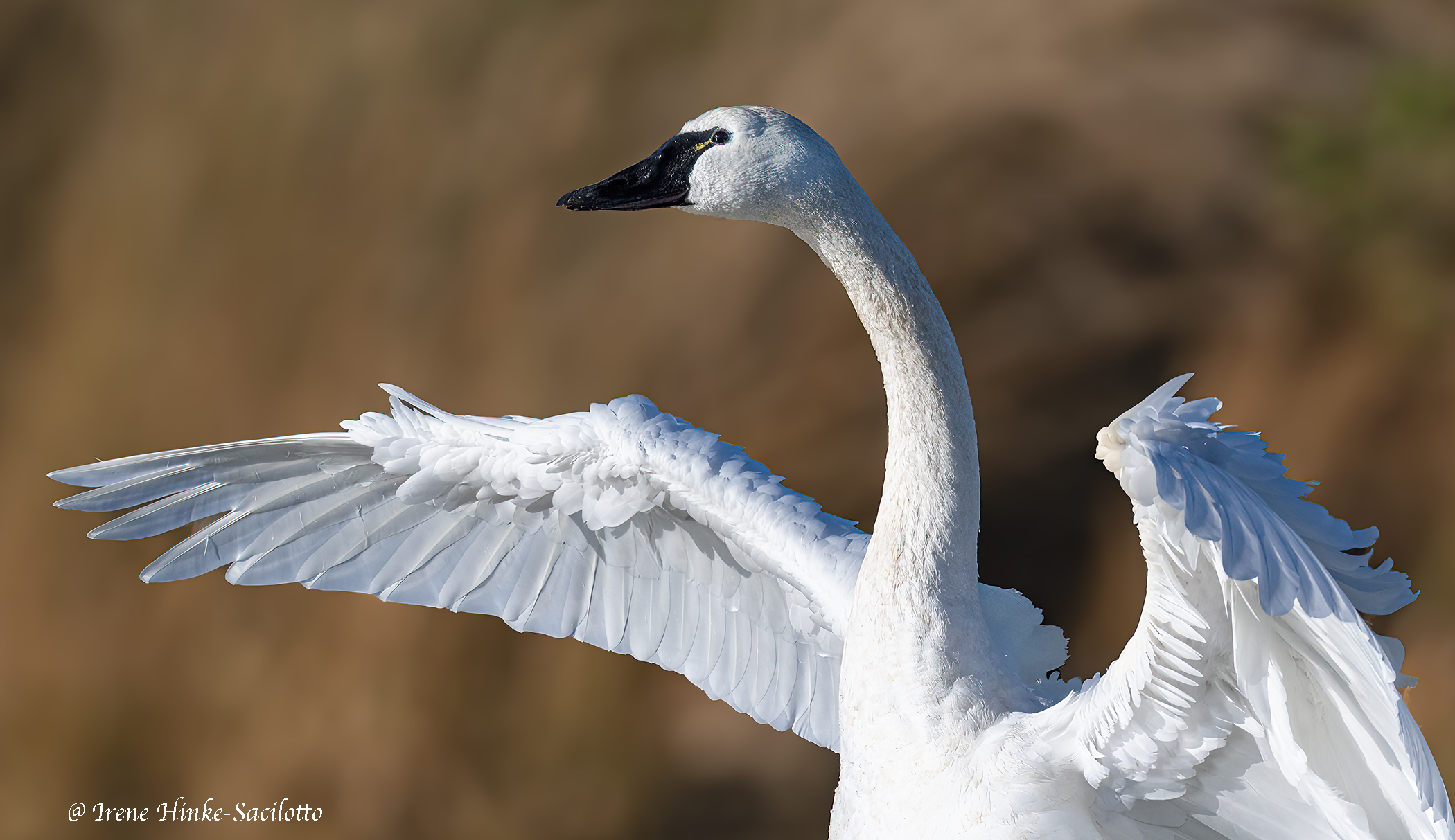
Tundra Swan flapping wings

Historic 150 year old Currituck Beach Lighthouse.
Historic Corolla Park
The Currituck Beach Lighthouse still functions as a guide for passing mariners. It located in the heart of Corolla near the northern end of Rt. 12, the primary road that runs the length of the Outer Banks. This 162 foot tall lighthouse stands out for its distinctive red brick exterior. The design was intentional to set the Currituck Lighthouse apart from its Outer Banks neighbors. The lighthouse has been left unpainted so visitors could marvel at the sheer number of bricks involved in its construction. It is adjacent to the the Outer Banks Center for Wildlife Education, the historic Whalehead Club, and Corolla Park. The Whalehead, with its beautiful architecture, is a 1920’s mansion which was once a secluded oceanfront retreat for this country’s wealthy hunters and conservationists.

Boat House in Corolla Park with a heron feeding in the shallow pool in front of it.
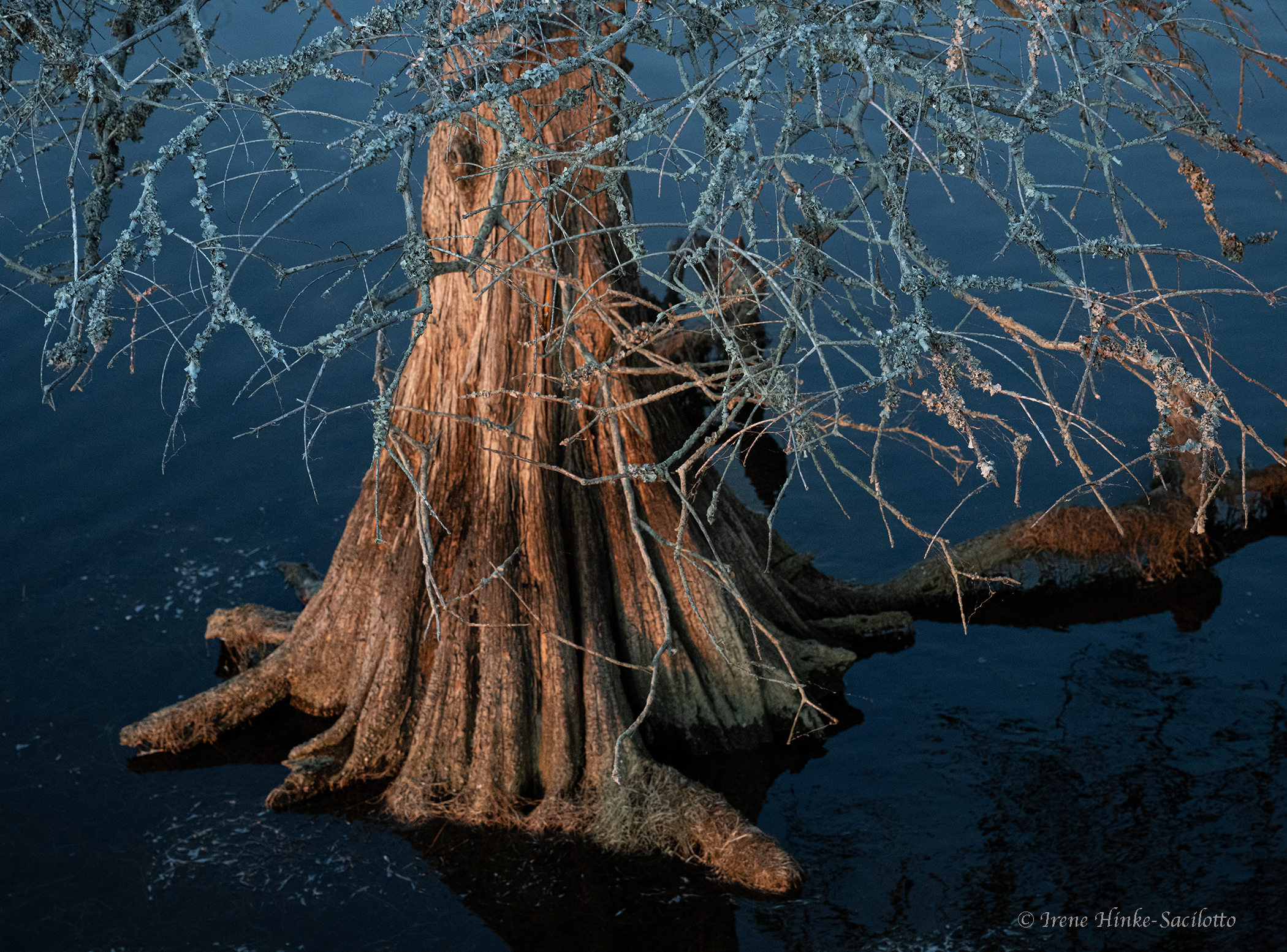
Cypress Knee adjacent boardwalk in the town of Duck, NC
Manteo & Wanchese
On Roanoke Island, in the late 1800s, Manteo served as an important port and is one of the oldest towns in North Carolina with large ships docking at is waterfront. A short distance away is Wanchese, another fishing port. Once centers for boat building, both ports have diminished in importance today. But they still have small boat harbors where a small number of trawlers, crabbing, and other commercial and sports fishing boats dock.

Roanoke Marshes Lighthouse in Manteo
The Roanoke Marshes Lighthouse is on the east end of the Manteo waterfront. It is set 40 yards out into Roanoke Sound with a boardwalk for access. Unlike Bodie and other lighthouses on the Outer Banks, the Roanoke Marshes Lighthouse is a replica of a lighthouse that was constructed in 1877 at the southern entrance of the Croatan Sound in the village of Wanchese to help sailors and fishermen to find their way to port. It is a river lighthouse. So like its counterparts, it is much shorter and squatter than the other lighthouses on the Outer Banks. With its red roof, black shutters, and cottage-like appearance, it is a favorite subject for photographers.
The town of Manteo, one of the oldest towns in North Carolina, is quaint and worth visiting with a number of unique shops, pubs, coffeehouses, restaurants, and a boardwalk along the waterfront. Nearby is the community of Wanchese with a small harbor and marina with large sport fishing boats. Usually there are a few work boats tied up at the wharf along with fishing nets, crab traps, colorful floats, and other gear.
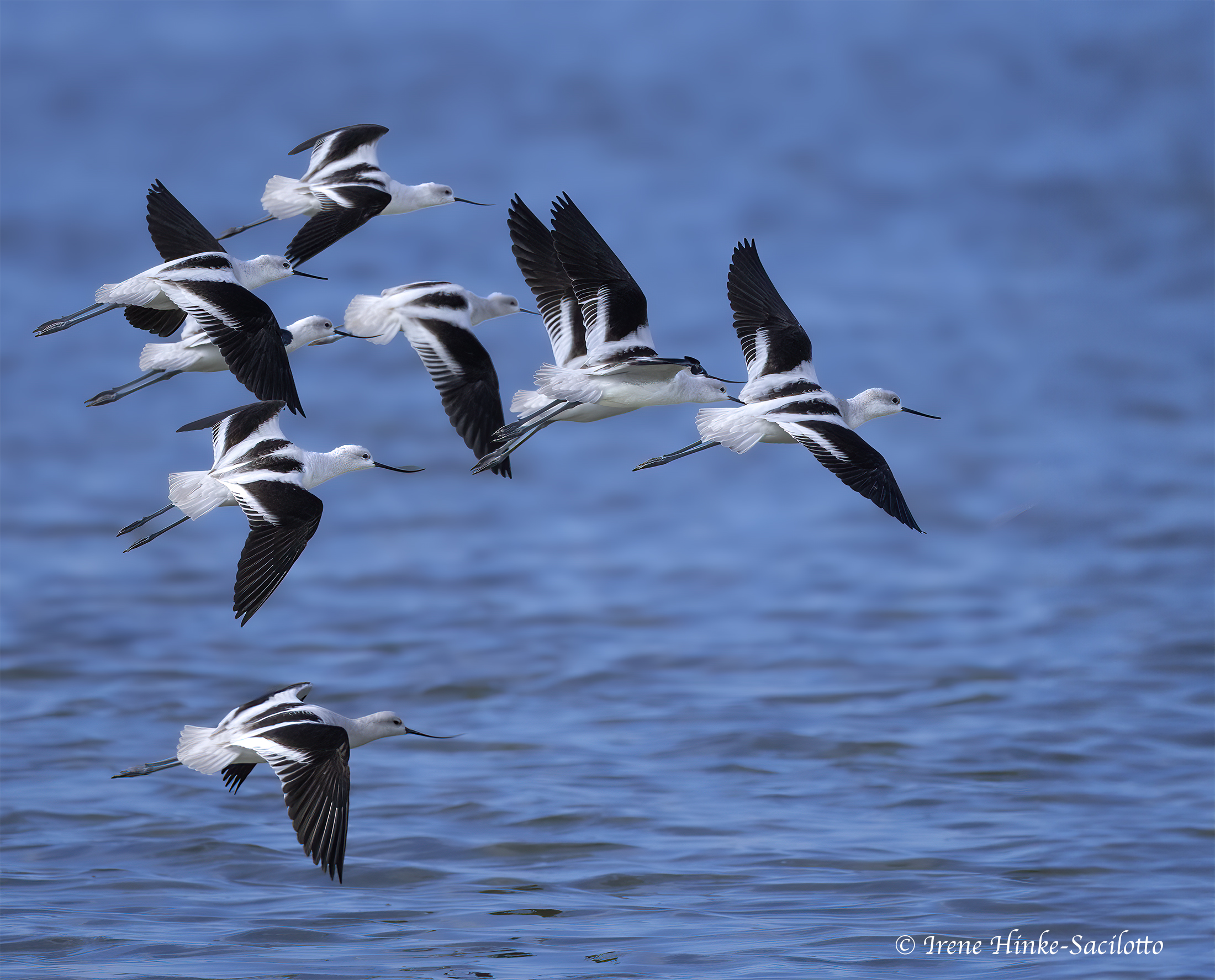
American Avocets at Pea Island
Pea Island National Wildlife Refuge
Pea Island National Wildlife Refuge (NWR) is on Hatteras Island on the southern side of the Oregon Inlet. It covers more than 5,900 acres. The water level is managed by a system of dikes and impoundments to favor the production of food and provide a safe haven for a variety of water birds including wintering migratory waterfowl with 25 species of ducks. More than 265 species of birds visit the refuge–White Pelicans, Wilson’s Plovers, Black Skimmers, American Avocets, terns, Tundra Swans, Canada Geese, White Ibis and other wading birds. At this location we will stop at the visitor center and explore the nearby trail & overlooks adjacent to one of the impoundment in search of photo subjects.
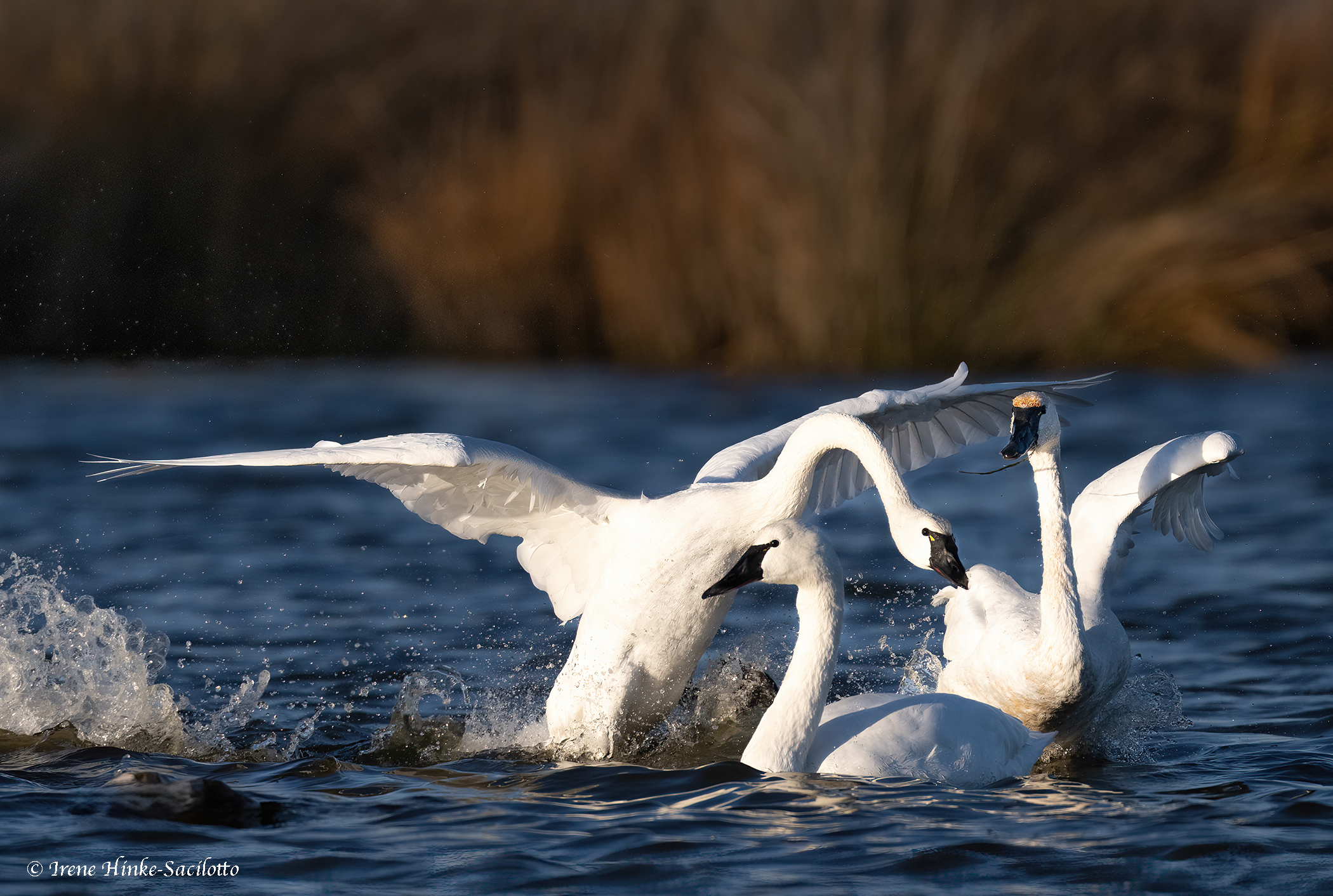
Tundra Swans fight.
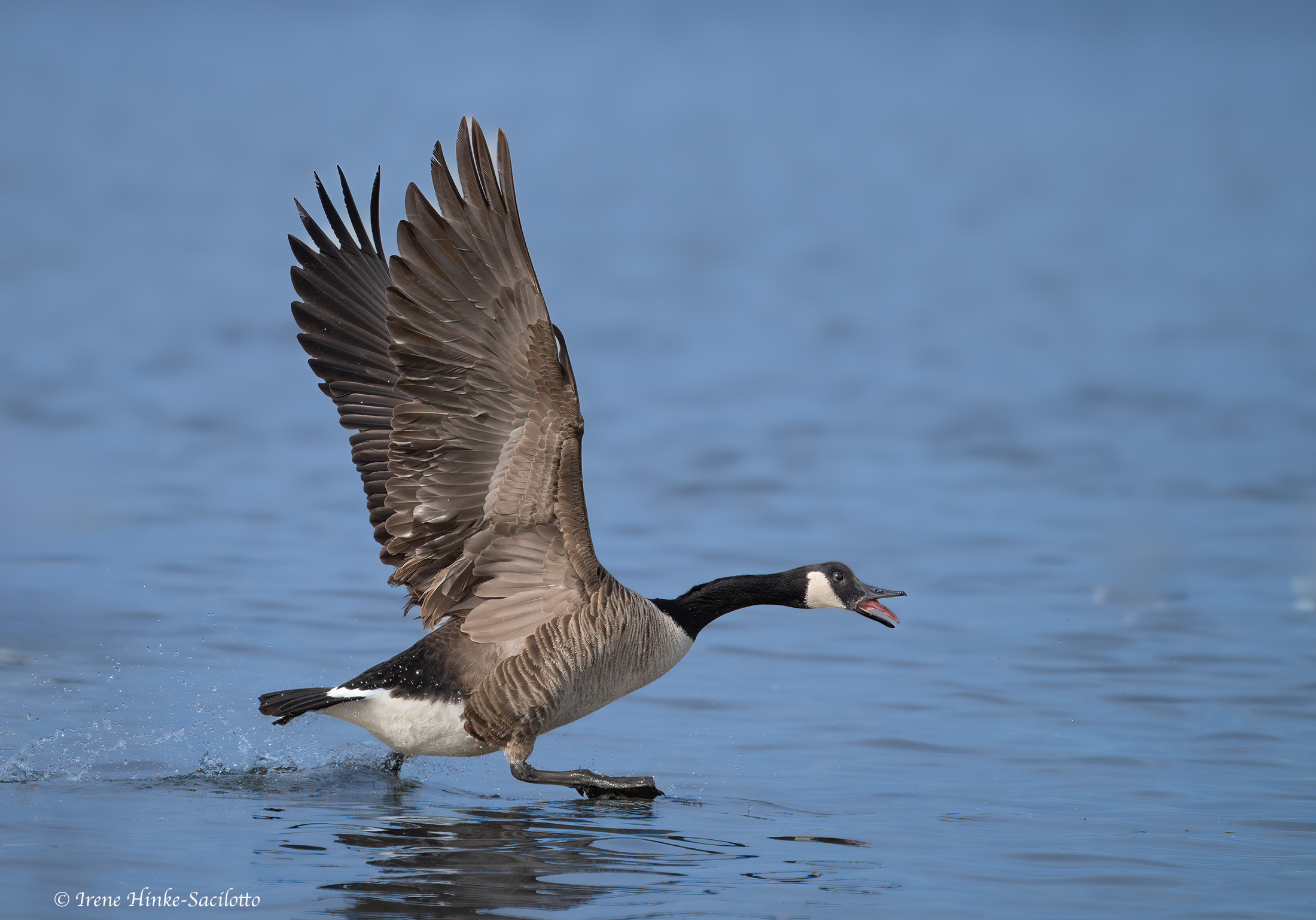
Canadan Goose chasing another at Pea Island
What to Bring
DSLR or mirrorless camera, instruction manual, spare memory cards , batteries, and chargers. Lenses from wide angle to 300 mm or more. Polarizing and a neutral density filter (the later is optional). Sturdy tripod. For editing images and the image review session, bring a laptop computer or tablet. Edited images should be saved to a flash drive (or if Apple product, AirDrop) for transferring to my computer for viewing by the group.
CLOTHING
It can be cold and windy at this time of the year, so bring some warm clothing and possibly chemical or battery powered hand -warmers. But in early December temperatures can also be mild. Dress in layers. The workshop will begin each day at dawn to take advantage of the warm, early morning light. Activities will proceed in the rain, so bring rain gear and waterproof covers for your camera and lenses. For protection from UV radiation, I suggest wearing a hat and using sun screen. To prevent dehydration, bring water to each outing.
HANDOUTS
Bring to our first meeting, a thumb drive with two of your nature photography images for discussion. In a future handout, I will provide guidance as to file naming and formatting. Using the recommended naming protocol helps when sorting and reviewing the images. You will also be sent a liability release/health form and pre-workshop questionnaire that will help me to better address your needs. These should be completed before the class.
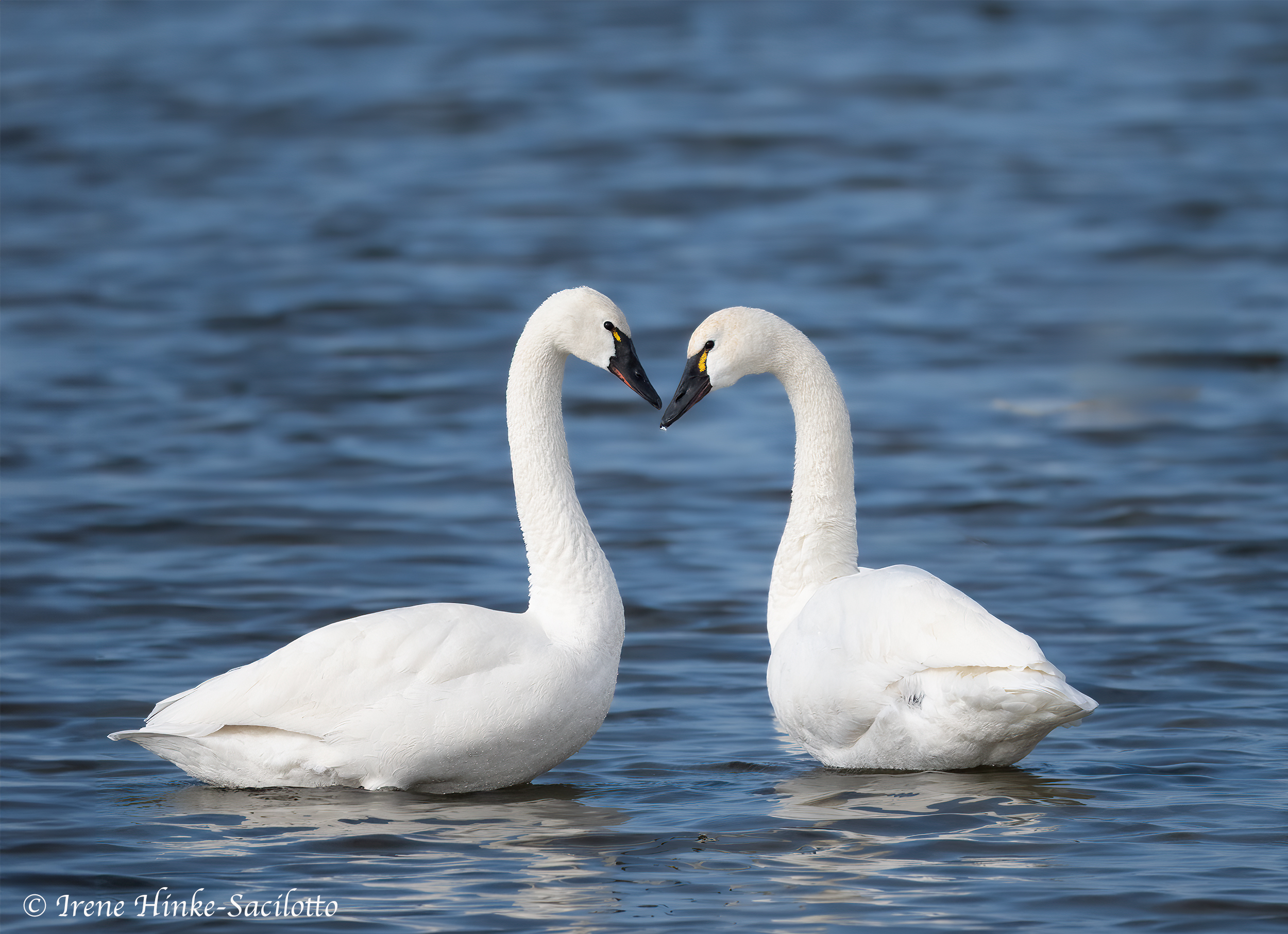
Tundra Swans at Pea Island North Carolina
SPECIAL NOTES
I will provide individual attention to each participant in the field matching each their skill level. The itinerary is flexible and will be adjusted according to the location and availability of subjects, the weather, safety, group interest, and other factors. Paths may be uneven, wet in spots, or sandy. The trails I selected for the workshop are easy to moderate in difficulty. Anyone may abstain from any activity and select an alternate that is less strenuous. Boots with firm ankle support for hiking are recommended. The pace of the workshop is adjusted to the desires of the group and to allow participants to explore each location thoroughly and to ask questions. Car pooling is encouraged where possible.
Tundra Swans at sunset at Pea Island
PRICE $ 1075 based on single occupancy; $ 975 based on double occupancy.
ACCOMMODATIONS – Price includes 3 nights accommodations (John Yancey Inn, Ocean Front, Kill Devil Hills, Outer Banks), but does not include food, transportation, tolls, park fees or personal items.
Maximum number of participants – 6
Full payment due 30 days prior to the start of the workshop. Deposit: 50% prior to that date. If you have questions, contact me at ((410) 960-5871 or e-mail me at ospreyphot@aol.com.
(To register, complete the form at top of the “Events” web page).
CANCELLATION POLICY
Notifications of cancellation must be in writing.
The following charges apply per person at the time I receive your written notification of cancellation:
- Cancel up to 121 days prior to the start of the workshop – full refund.
- 120 to 61 days prior to the start of the workshop, $125 administrative fee charged.
- 60 to 46 days prior to the start of the workshop, 50% of workshop cost.
- 45 days or less prior to departure – NO REFUND
Medical circumstances or emergencies do not constitute grounds for exception to the cancellation policy nor does weather. Therefore, trip cancellation, interruption & medical insurance is HIGHLY recommended. Travelers Insurance Company and others provide such policies at a reasonable rate. In the unlikely event that the trip is canceled due to insufficient enrollment, your money will be refunded in full, with the exception of expenses you personally incurred while preparing for the trip